The Sleep-Pain Cycle: Why Hurting Keeps You Awake
Pain and sleep aren't separate problems. Your nervous system loops them together. The biology behind the cycle — and what actually broke it for Maria.
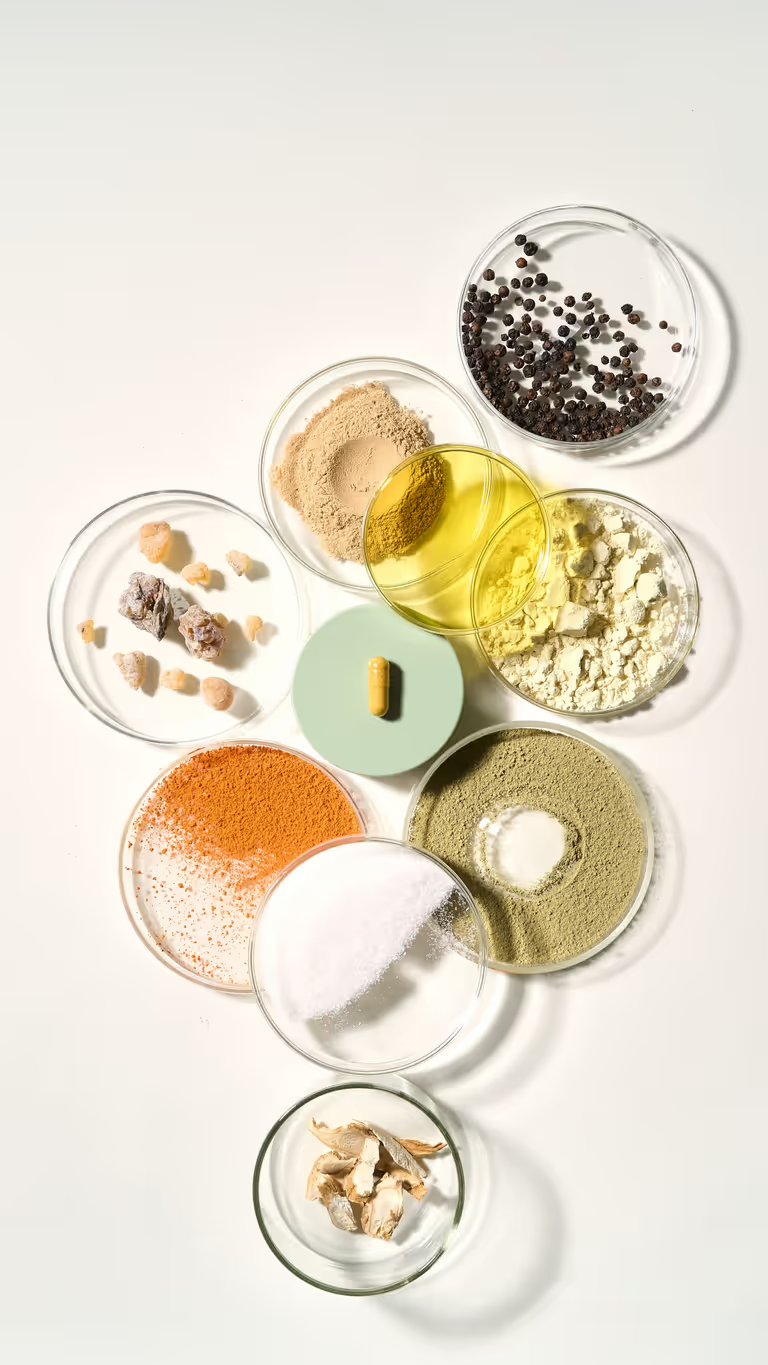
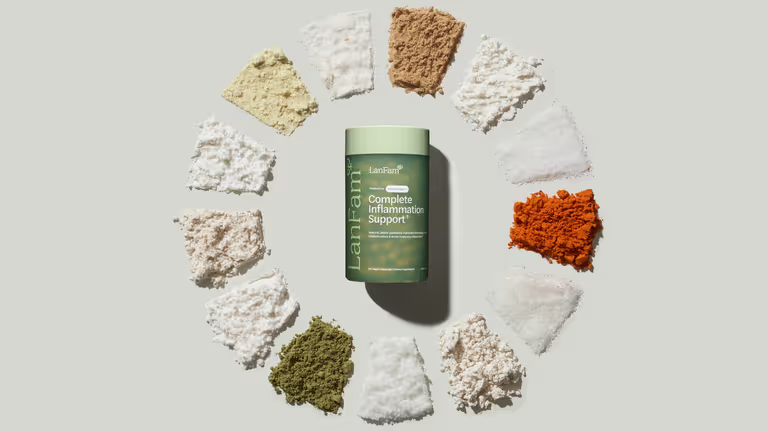
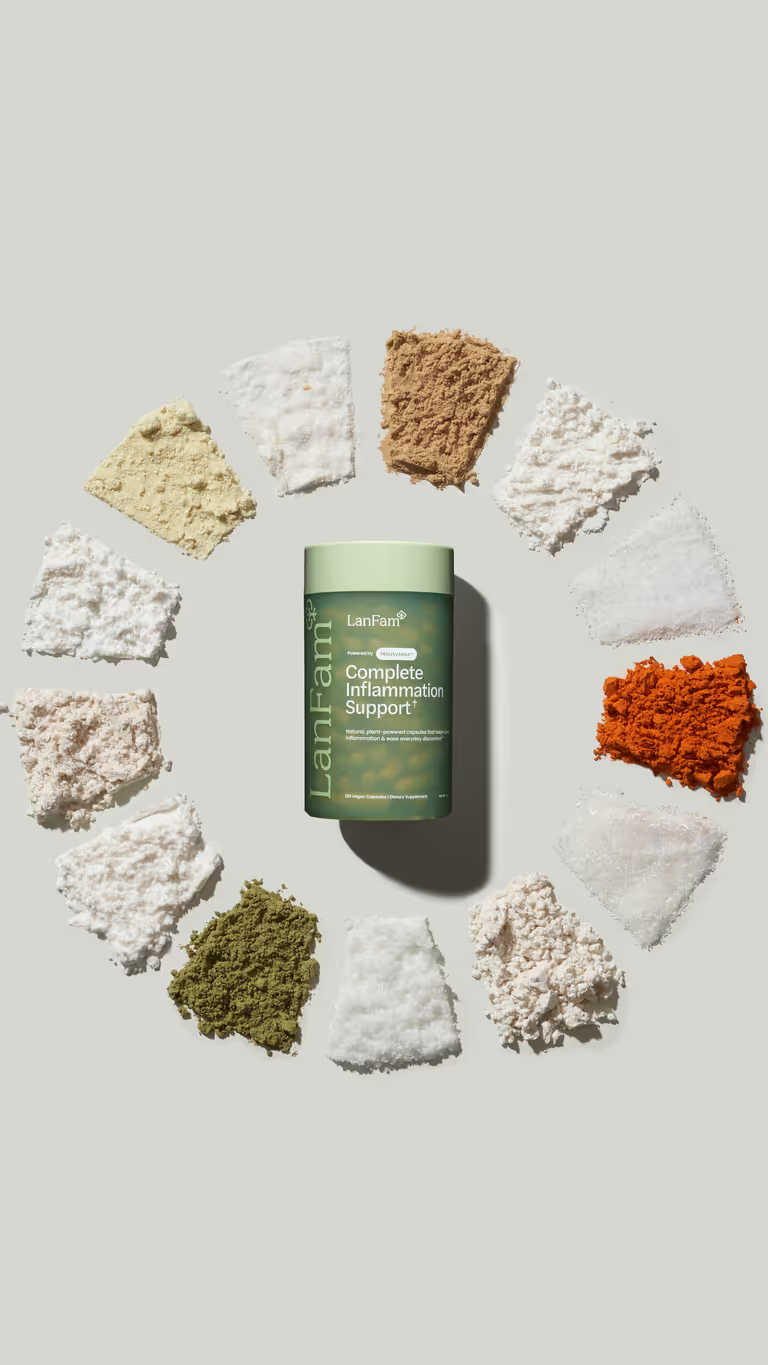
Ingredients in this letter
You know that thing where you're lying in bed, exhausted, and your body just… won't stop? Your knees are throbbing. Your hip is aching. You flip the pillow, shift positions, do the math — if I fall asleep right now, I can get four hours. You don't fall asleep right now.
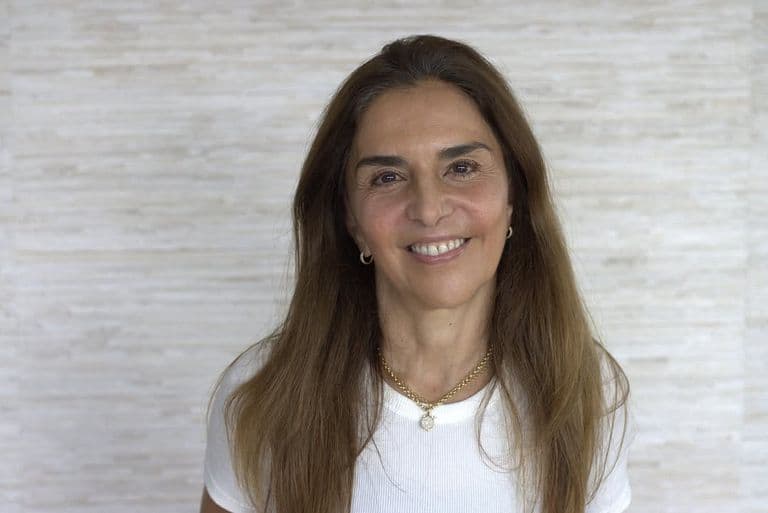
I lived in that loop for a long time. After everything I went through with my health, I ended up on a medication that causes chronic joint pain — the kind that doesn't scream, it just hums. All day, all night. And somehow it's always louder at three in the morning.
If you know this feeling, you don't need me to explain how lonely it is. Everyone says "just rest." You can't explain that rest is the problem.
They actually feed each other
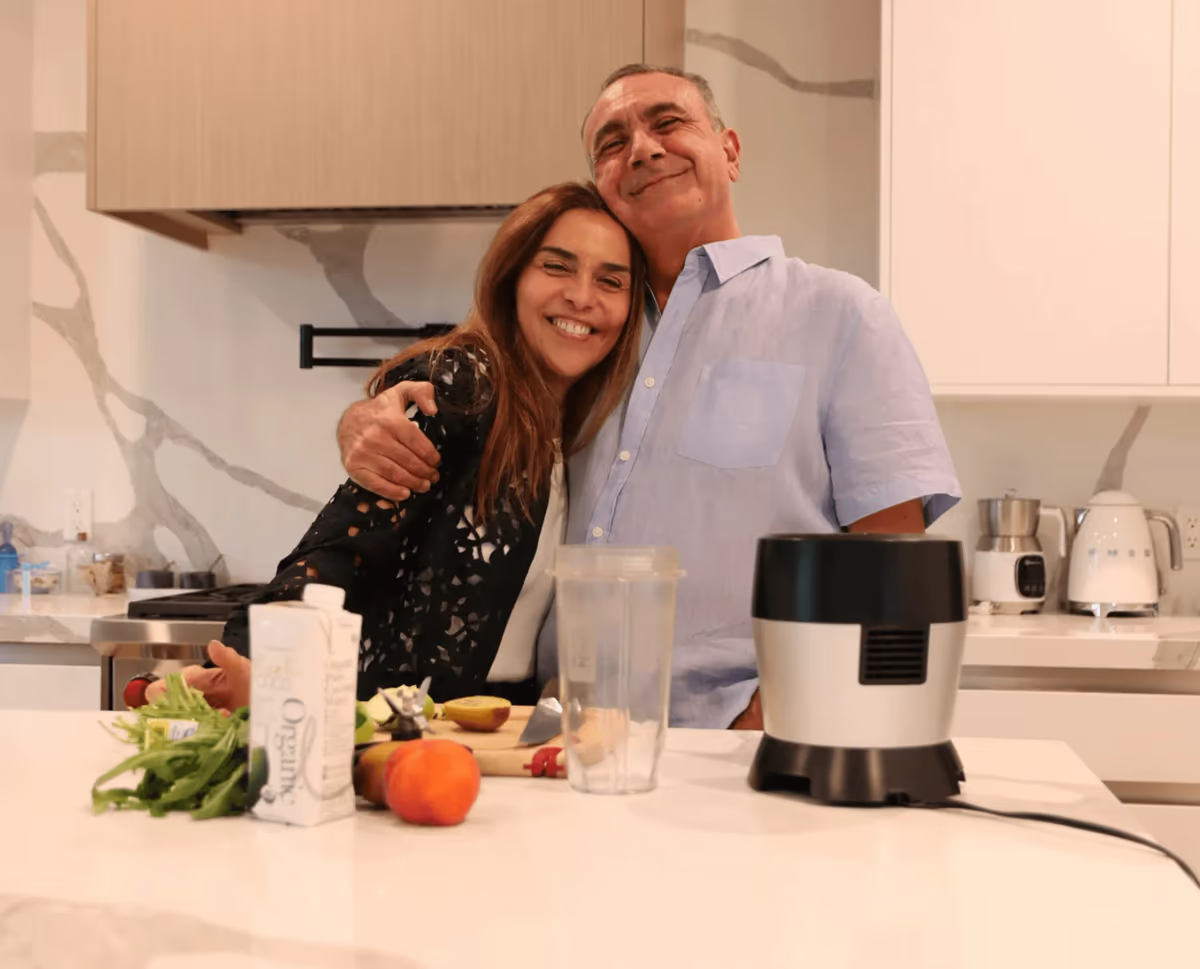
Here's the part I didn't get until Fabio explained it to me: pain and sleep aren't two separate problems. They're connected. Like, biologically connected.
When you're hurting, your nervous system stays on alert. It won't fully relax because it's still processing pain signals. So you miss the deep sleep your body needs to recover. And when you don't sleep well, your body gets more sensitive to pain the next day. Fabio drew it on a napkin once — a circle with two arrows. Pain keeps you awake. Being awake makes the pain worse. Around and around.
There's a system in your body that works like a gate for pain signals, and one of the chemicals that helps keep that gate closed is something called GABA 1. When you're not sleeping, that gate doesn't work as well. Everything hurts more.
Why three a.m. is the worst
During the day you're distracted — moving, busy, thinking about other things. At night it's just you and your body in the dark.
But it's not only in your head. Fabio showed me that your body's inflammatory signals actually peak between about two and six a.m., right when the hormones that help manage inflammation are at their lowest. So the hours when you most need to be sleeping are the hours your body is working against you.
Learning that was weirdly comforting. I wasn't being dramatic. My body was genuinely more inflamed at three in the morning. It was doing what bodies do. It just wouldn't stop.
What actually helped me sleep
I want to start with the simple stuff because honestly, these made the biggest day-to-day difference.
A knee pillow. The kind that goes between your legs when you sleep on your side. My hips stopped grinding into the mattress. My knees had space between them. It didn't fix the pain, but it stopped me from making it worse while I slept.
The same wind-down every night. Not a fancy routine — just warm compresses on my hands and knees for fifteen minutes, a cup of herbal tea, lights low, no phone after nine. It took about two weeks before my body started to recognize the pattern and relax into it.
Gentle stretching before bed. Not exercise. Five minutes of ankle circles, wrist rotations, easy knee bends. Fabio suggested it — apparently gentle movement helps circulate the fluid in your joints and calms the nervous system. Nothing dramatic, but it loosened the worst of the stiffness so I wasn't lying down already locked up.
Letting go of the clock. Hardest one. Every time I checked the time, I'd calculate how many hours I had left, and the anxiety made everything worse. I turned the clock around and put my phone in the drawer. If I was awake, I was awake.
The science Fabio kept coming back to
Fabio spent months going through research on this, and he kept landing on the same thing: your body uses deep sleep to do its repair work. That's when muscles recover, the immune system recalibrates, and the chemicals that manage inflammation do their job. When pain keeps interrupting that process, the repair doesn't happen. You start the next day from a worse place.
He also explained how your brain makes melatonin — it starts with serotonin, which is made from a building block called 5-HTP 3. What's interesting is that 5-HTP has been studied in people with widespread body pain, the kind where everything aches and nothing specific is wrong 4. Fabio said the research suggested it might help support both sides of the cycle at once.
He showed me studies on certain compounds in matcha green tea that help support the body's stress response 5 — I'd never thought of tea as something with a mechanism behind it, but Fabio thinks about what's in food and what it does. And there was an amino acid called L-serine that plays a role in protecting nerve cells 7. One study found that when combined with certain fatty acids, it helped support comfort in people dealing with ongoing pain 8. The way Fabio explained it: when nerve cells are under stress, they need more of these building blocks, not less.
ProleevaMax and my nights
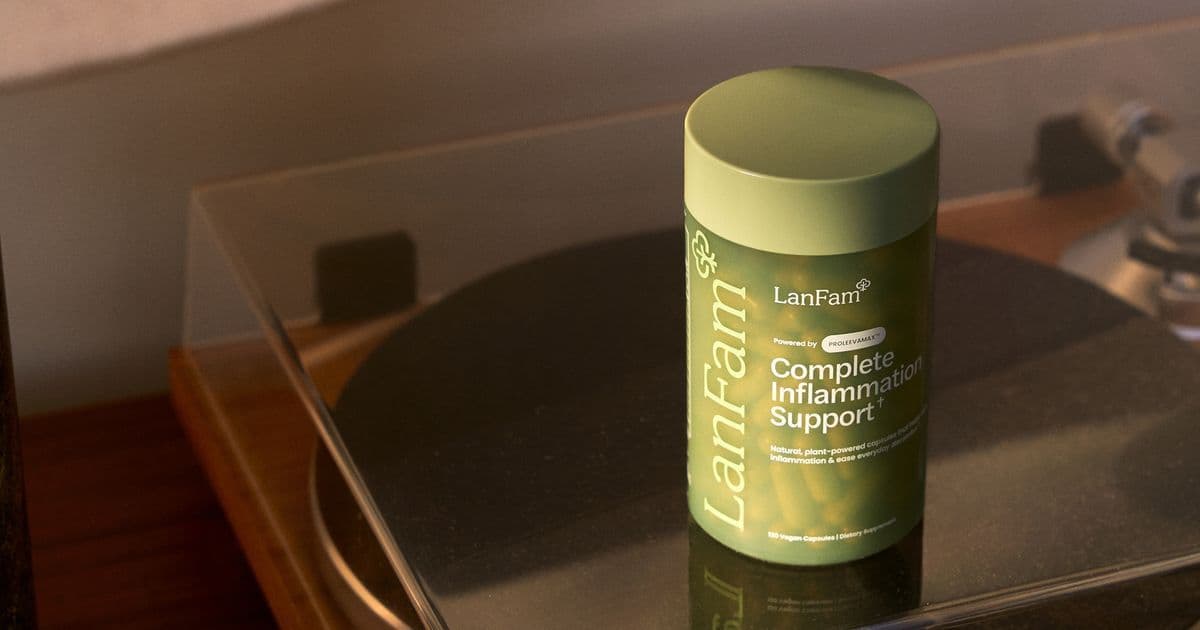
I'll be transparent — we sell ProleevaMax. It's our product. But it's part of my nightly routine now, and I'd feel weird not mentioning it.
Fabio originally built the formula around the biology of chronic pain and inflammation. But what I noticed after about three weeks of taking it consistently was that I was sleeping better. Not perfectly. But better. I was falling asleep faster because the pain had quieted enough to let me. I was waking up less. And mornings felt different — I could get out of bed and move within a few minutes instead of lying there for half an hour.
The formula includes ingredients that help support the body's inflammatory response, but it also includes compounds that support GABA activity 1,2 and the body's natural sleep-wake chemistry 3. It wasn't designed as a sleep supplement. But because pain and sleep are so connected, supporting one helped the other.*
It didn't cure my pain — nothing does. But it brought things down enough that the cycle loosened. Each small improvement made the next day a little easier. Over weeks, that added up to something that felt like getting my life back.
If you're stuck in this loop, I just want you to know: it's not in your head, and you're not being dramatic. Start with the small stuff — the pillow, the wind-down, the stretching. Give your body a chance to recognize a pattern. And be patient with yourself. You're dealing with something real.
* These statements have not been evaluated by the Food and Drug Administration. This product is not intended to diagnose, treat, cure, or prevent any disease.
References
- Enna SJ, McCarson KE. "The role of GABA in the mediation and perception of pain." Advances in Pharmacology. 2006;54:1-27. DOI: 10.1016/s1054-3589(06)54001-3
- Hernandez-Rabaza V, et al. "Inhibition of neuroinflammation by GABA-B receptor agonists." Journal of Neuroinflammation. 2016;13:102. DOI: 10.1186/s12974-016-0549-z
- Maffei ME. "5-Hydroxytryptophan (5-HTP): Natural occurrence, analysis, biosynthesis, biotechnology, physiology and toxicology." International Journal of Molecular Sciences. 2020;22(1):181. DOI: 10.3390/ijms22010181
- Caruso I, et al. "Double-blind study of 5-hydroxytryptophan versus placebo in the treatment of primary fibromyalgia syndrome." Journal of International Medical Research. 1990;18(3):201-209. DOI: 10.1177/030006059001800304
- Unno K, et al. "Stress-reducing function of matcha green tea in animal experiments and clinical trials." Nutrients. 2018;10(10):1468. DOI: 10.3390/nu10101468
- Sachdeva AK, et al. "Protective effect of epigallocatechin gallate in murine water-immersion stress model of chronic fatigue syndrome." Basic and Clinical Pharmacology and Toxicology. 2010;106(6):490-496.
- Ye L, et al. "L-Serine, an endogenous amino acid, is a potential neuroprotective agent for neurological disease and injury." Frontiers in Molecular Neuroscience. 2021;14:726665. DOI: 10.3389/fnmol.2021.726665
- Sasahara I, et al. "Combination of L-serine and EPA relieves chronic low back pain and knee pain in community-dwelling elderly." Journal of Nutrition. 2020;150(6):1555-1564. DOI: 10.1093/jn/nxaa156
There's a seat at our table
Letters from our family to yours — the science, the recipes, the things that actually helped real families. Leave your email and we'll send the next one.