The Inflammatory Cascade Explained: A Step-by-Step Guide to How Chronic Inflammation Actually Works
Chronic inflammation isn't one thing — it's a cascade of seven steps your body keeps repeating. Here's the step-by-step, with what actually breaks it.
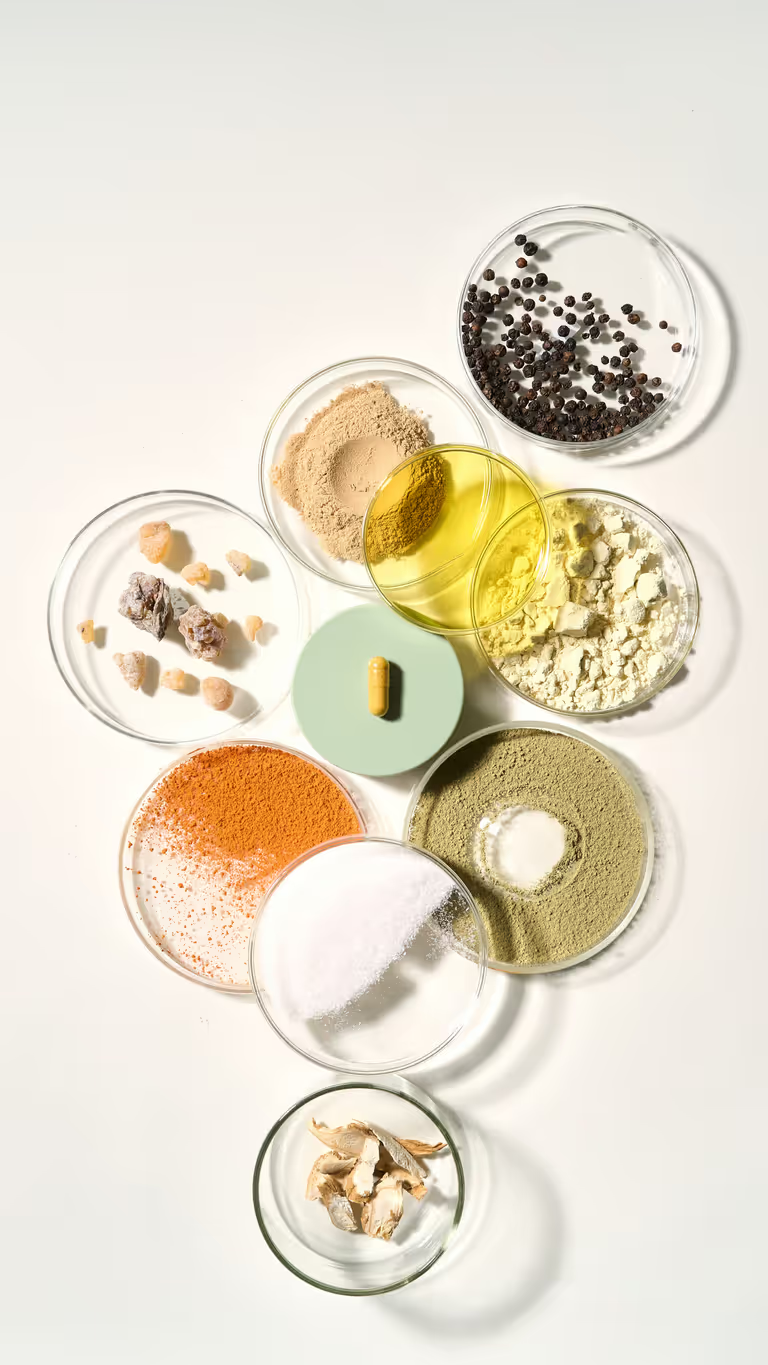
Ingredients in this letter

What Is the Inflammatory Cascade?
The inflammatory cascade is the sequence of molecular and cellular events that unfolds when the immune system detects a threat — whether a pathogen, tissue injury, or chronic stress signal — and mobilizes a coordinated response. The word "cascade" captures what makes it distinctive: each step triggers the next, amplifying an initial signal through multiple biological checkpoints until a full-scale inflammatory response is underway.
Every living vertebrate has this cascade. It's ancient, essential, and — when working properly — self-limiting. A splinter in your finger, a viral infection, a sprained ankle: the cascade fires, does its job, and resolves.
Chronic inflammation is what happens when the cascade fires and doesn't resolve. The same molecular machinery that protects you in the short term, running continuously over months and years, becomes one of the central drivers of modern chronic disease. Research published in Nature Medicine has linked chronic inflammation to cardiovascular disease, type 2 diabetes, Alzheimer's, depression, several cancers, and most age-related decline. Researchers have coined the term "inflammaging" for this phenomenon.
Understanding the cascade — the actual step-by-step biology — is how you make sense of why different interventions work on different parts of the problem.
The Five Stages of the Inflammatory Cascade
Stage 1 — Pattern Recognition: How the Cascade Gets Triggered
The cascade begins when specialized sensors on immune cells detect either pathogen-associated molecular patterns (PAMPs) — fragments of bacteria, viruses, or fungi — or damage-associated molecular patterns (DAMPs) — signals released from your own injured cells.
These sensors are called pattern recognition receptors (PRRs). The best-studied group is the Toll-like receptor (TLR) family, which detects a wide range of pathogen signatures. Others include NOD-like receptors (NLRs), which detect intracellular threats and trigger the inflammasome — the cellular machinery that produces some of the most potent inflammatory signals in the body.
The trigger doesn't have to be an infection. DAMPs are released whenever tissue is injured, stressed, or metabolically dysfunctional. Obesity, chronic stress, poor sleep, oxidative damage from processed food, and even psychological stressors can all generate DAMPs that activate the cascade without a pathogen present. This is one mechanism by which lifestyle drives chronic inflammation.
Stage 2 — Signal Transduction: Turning the Trigger Into a Response
Once a PRR detects a threat, it triggers an intracellular signaling cascade that ultimately activates specific transcription factors — proteins that enter the cell's nucleus and turn on specific genes.
The single most important transcription factor here is NF-κB (nuclear factor kappa B). When activated, NF-κB moves into the nucleus and triggers the production of dozens of inflammatory proteins at once. A review published in Signal Transduction and Targeted Therapy describes NF-κB as "the master regulator of inflammation" — an apt description of its central role.
Other key transcription factors include AP-1 (activator protein 1) and STAT proteins. Together, these pathways determine which inflammatory genes get switched on and in what combination.
Why this matters: Curcumin, resveratrol, and several other natural compounds shown to have anti-inflammatory effects work largely by inhibiting NF-κB activation. They are effectively turning down the master switch rather than targeting a single downstream effect.
Stage 3 — Cytokine Release: The Chemical Messengers of Inflammation
Activated NF-κB (and its sister pathways) triggers the production and release of cytokines — small signaling proteins that coordinate the inflammatory response between cells.
The most clinically important pro-inflammatory cytokines include:
- TNF-α (tumor necrosis factor alpha) — one of the most potent inflammatory signals; drives fever, tissue breakdown, and recruitment of additional immune cells
- IL-6 (interleukin-6) — a marker that shows up on blood panels; chronically elevated IL-6 is associated with cardiovascular disease, depression, and accelerated aging
- IL-1β (interleukin-1 beta) — produced by the inflammasome; triggers the production of the other cytokines and the acute-phase response in the liver
- IL-17 — particularly relevant in autoimmune conditions like psoriasis and rheumatoid arthritis
At the same time, parallel pathways produce eicosanoids — lipid-based inflammatory messengers derived from arachidonic acid. Two enzyme families dominate this step:
- Cyclooxygenase (COX-1 and COX-2) — produces prostaglandins that drive pain, fever, and vascular changes. This is what NSAIDs like ibuprofen and naproxen inhibit.
- Lipoxygenase (5-LOX) — produces leukotrienes that drive bronchial constriction, vascular permeability, and sustained inflammation. NSAIDs do not inhibit this pathway, which is one reason NSAIDs don't resolve all inflammatory symptoms. Boswellia serrata is one of the few well-studied natural 5-LOX inhibitors.
Why this matters: If you've ever wondered why some anti-inflammatory interventions help certain symptoms and not others, the answer is almost always that they inhibit one eicosanoid pathway but not the other. This is also why multi-pathway formulas tend to produce more complete symptom relief than single-pathway ones.
Stage 4 — Vascular and Cellular Response: The Visible Symptoms
The cytokines and eicosanoids from Stage 3 now act on local blood vessels and tissue:
- Vasodilation — blood vessels widen, producing the redness and heat of acute inflammation
- Increased vascular permeability — vessel walls become leakier, allowing immune cells and fluid into tissue. This produces swelling.
- Nerve sensitization — prostaglandins directly sensitize pain receptors. This produces pain.
- Immune cell recruitment — neutrophils arrive first (within hours), followed by monocytes that differentiate into macrophages, then later by lymphocytes for adaptive immune response.
The classic five signs of inflammation described by the Roman physician Celsus nearly 2,000 years ago — redness (rubor), heat (calor), swelling (tumor), pain (dolor), and loss of function (functio laesa) — are all downstream effects of this fourth stage.
In acute inflammation, these symptoms are a feature, not a bug. They correspond to your body delivering immune resources to the site of damage and flagging it to your nervous system for protection.
Stage 5 — Resolution or Chronic Persistence: The Critical Fork
This is the stage that separates healthy inflammation from destructive inflammation.
In normal circumstances, once the threat is eliminated, the cascade actively resolves. This is a process called inflammation resolution, and it involves a specific class of lipid mediators — resolvins, protectins, and maresins — that are derived from omega-3 fatty acids. These compounds actively signal immune cells to stand down, clear debris, and initiate tissue repair.
Research by Charles Serhan and colleagues established that resolution is not a passive fading — it's an actively orchestrated process. When resolution works properly, the cascade winds down and tissue returns to homeostasis.
Chronic inflammation is what happens when resolution fails. Several factors can push the cascade from acute-and-resolving toward chronic-and-persistent:
- Ongoing trigger presence — obesity, visceral fat, and insulin resistance continuously generate DAMPs that re-trigger the cascade
- Omega-3 deficiency — without adequate EPA and DHA as substrates, resolvin production is impaired
- Chronic psychological stress — elevated cortisol paradoxically impairs resolution over time
- Sleep disruption — inflammation-resolving processes are partly circadian-regulated
- Gut microbiome dysbiosis — a disrupted gut barrier continuously activates immune pattern recognition
When resolution fails and the cascade persists, the same cytokines that protect you in the short term start damaging tissue. Cardiovascular endothelium, pancreatic beta cells, neurons, joint cartilage — they all degrade under sustained inflammatory pressure. This is the biological link between chronic inflammation and chronic disease.
How the Cascade Connects to Chronic Disease
Understanding the cascade explains why chronic inflammation is implicated across such a wide range of conditions:
- Cardiovascular disease. IL-6 and TNF-α drive endothelial dysfunction and atherosclerotic plaque formation. C-reactive protein (CRP) — produced in response to IL-6 — is now a standard cardiovascular risk marker.
- Type 2 diabetes. Chronic cytokine elevation drives insulin resistance at the cellular level. Inflammation and metabolic dysfunction are now understood as a single syndrome ("metaflammation") rather than two separate problems.
- Autoimmune conditions. Dysregulated cascade activity — particularly IL-17, TNF-α, and IL-6 pathways — underlies rheumatoid arthritis, psoriasis, inflammatory bowel disease, and others. Most biologic drugs for these conditions target specific cytokines directly.
- Neurodegenerative disease. Chronic microglial activation (the brain's resident immune cells) produces neuroinflammation — now understood to contribute to Alzheimer's disease, Parkinson's, and cognitive decline generally. Learn more about neuroinflammation specifically in our dedicated post.
- Depression and anxiety. Inflammatory cytokines cross the blood-brain barrier and affect neurotransmitter function. A 2020 meta-analysis documented elevated IL-6, TNF-α, and CRP in clinical depression.
- Accelerated aging ("inflammaging"). Chronic low-grade inflammation is now considered one of the primary drivers of biological aging — see the landmark 2018 review in Nature Medicine.
Every one of these conditions is, at a mechanistic level, a cascade problem.
How Different Interventions Target Different Steps
This is where understanding the cascade becomes practically useful. Every anti-inflammatory intervention targets specific stages:
InterventionStage targetedMechanismNSAIDs (ibuprofen, naproxen)Stage 3Inhibit COX-1/COX-2 enzymesCorticosteroids (prednisone)Stages 2–4Broad cytokine suppression via glucocorticoid receptorBiologics (TNF inhibitors, IL-6 inhibitors)Stage 3Target single specific cytokinesBoswellia serrataStage 3Inhibits 5-LOX (leukotriene pathway)CurcuminStage 2Inhibits NF-κB activationOmega-3 EPA/DHAStage 5Substrate for resolvin productionResveratrolStage 2Inhibits NF-κB, modulates SIRT1Multi-ingredient anti-inflammatory formulasStages 2, 3, and 5Target multiple pathways simultaneously
Notice that natural anti-inflammatory compounds tend to target upstream steps (Stage 2: NF-κB) or specific enzyme pathways (Stage 3: 5-LOX) that NSAIDs don't cover, while also supporting resolution (Stage 5). This is the mechanistic argument for combining multiple anti-inflammatory compounds rather than relying on a single intervention.
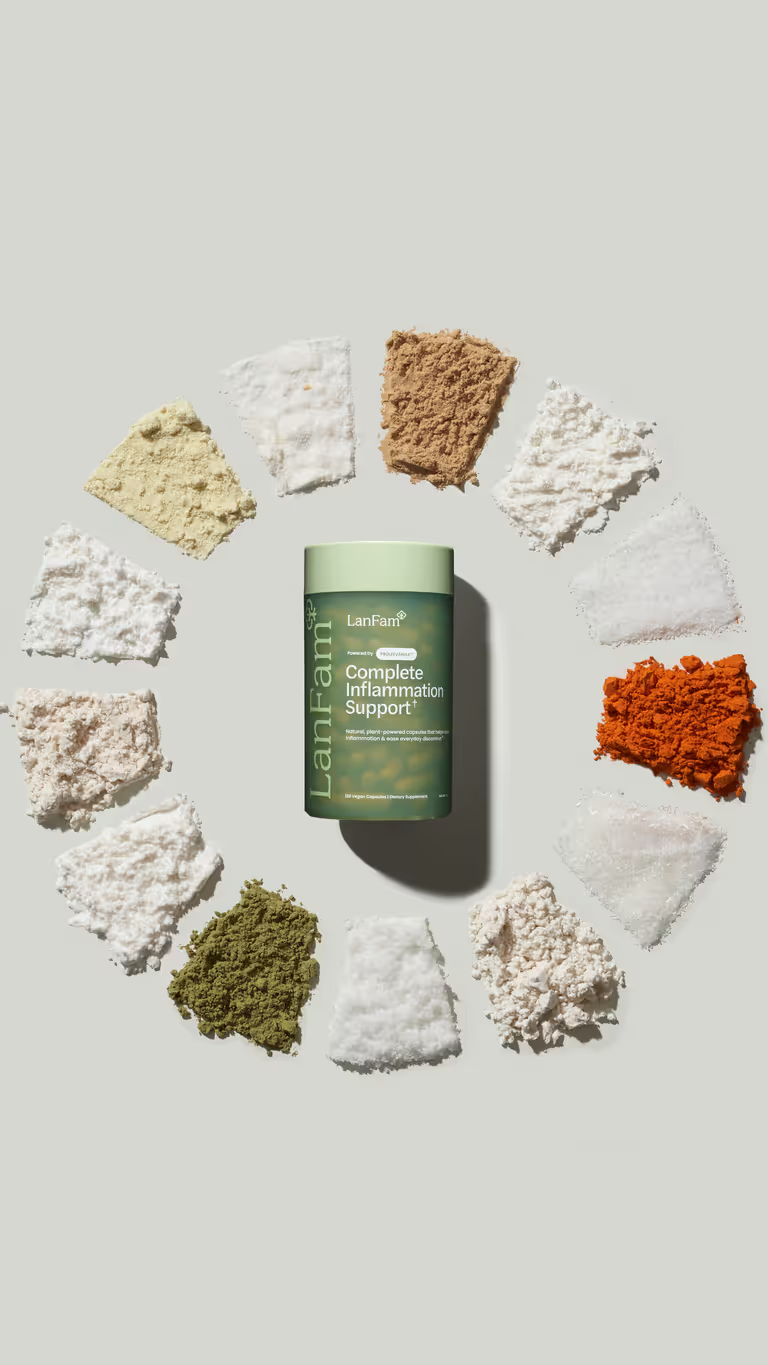
This is also the formulation logic behind Complete Inflammation Support (Powered by ProleevaMax®): thirteen standardized ingredients — including Boswellia serrata, curcumin with piperine, and amino acids that support both inflammatory balance and resolution — designed to address the cascade at multiple stages rather than a single target.
Measuring the Cascade: What Blood Tests Actually Show
Inflammation is invisible from the outside, but the cascade leaves measurable signatures:
- C-reactive protein (CRP) — the most commonly ordered inflammation marker. Produced by the liver in response to IL-6. High-sensitivity CRP (hs-CRP) is used for cardiovascular risk assessment.
- Erythrocyte sedimentation rate (ESR) — a non-specific marker of inflammation; measures how quickly red blood cells settle in a tube.
- IL-6 — directly measured in research and some clinical contexts. More specific than CRP.
- TNF-α — measured in research; less commonly in routine clinical care.
- Ferritin — an iron-storage protein that also rises in acute and chronic inflammation.
Elevated markers on blood panels are one signal. But chronic low-grade inflammation can be present with normal-looking CRP, particularly in earlier stages — which is why symptom patterns (fatigue, joint stiffness, brain fog, sleep disruption) often provide earlier signal than lab values.
Why the Cascade Perspective Matters for Intervention
Three practical principles follow from understanding the cascade as a multi-stage process:
- Multi-pathway interventions tend to outperform single-pathway ones for chronic inflammation. A supplement or drug targeting one cytokine will miss the others. An intervention acting at the NF-κB level (Stage 2) addresses multiple downstream outputs at once.
- Resolution matters as much as suppression. Simply shutting down cytokines (what corticosteroids do) isn't the same as restoring resolution (what omega-3s and some natural compounds support). Long-term health requires both.
- Lifestyle factors feed the cascade upstream. Diet, sleep, stress, movement, and body composition are not "nice-to-have" additions to an anti-inflammatory protocol — they are the primary source of DAMPs and resolution substrate. A supplement protocol layered on top of a pro-inflammatory lifestyle will produce limited results.
What to Do With This Information
Understanding the cascade changes how you evaluate anti-inflammatory interventions. The question is no longer "does it reduce inflammation?" but "which stage of the cascade does it target, and does my situation call for action at that stage?"
If you're dealing with chronic inflammation symptoms — fatigue, brain fog, joint stiffness, sleep disruption, stubborn weight, elevated inflammatory markers on blood panels — the cascade model suggests:
- Address upstream triggers first. Body composition, sleep quality, stress management, and an anti-inflammatory dietary pattern reduce the DAMP load feeding the cascade.
- Support resolution. Adequate omega-3 EPA/DHA (fish oil or algal oil) provides substrate for resolvin production.
- Target multiple pathway steps simultaneously. A multi-ingredient anti-inflammatory formula addressing NF-κB (curcumin), 5-LOX (Boswellia), and resolution substrates is mechanistically stronger than any single intervention.
Complete Inflammation Support (Powered by ProleevaMax®) was formulated around this cascade logic: 13 standardized ingredients targeting Stages 2, 3, and 5 simultaneously. Developed by Fabio Lanzieri, drawing on 40 years of pharmaceutical research, and covered by a 90-day money-back guarantee because structural changes to the cascade take the full 90 days to establish — not a few days.
You can see the full ingredient breakdown or start the 90-day protocol today.
† These statements have not been evaluated by the Food and Drug Administration. This product is not intended to diagnose, treat, cure, or prevent any disease. Information in this article is for educational purposes and does not constitute medical advice; consult a healthcare provider for personal health decisions.

Frequently asked questions
There's a seat at our table
Letters from our family to yours — the science, the recipes, the things that actually helped real families. Leave your email and we'll send the next one.