The Inflammation Paradox—How a Plant Defense Molecule Became a Human Therapeutic
The compound that protects plants from stress quietly does the same for human cells. How resveratrol crossed the species line — and what it does in you.
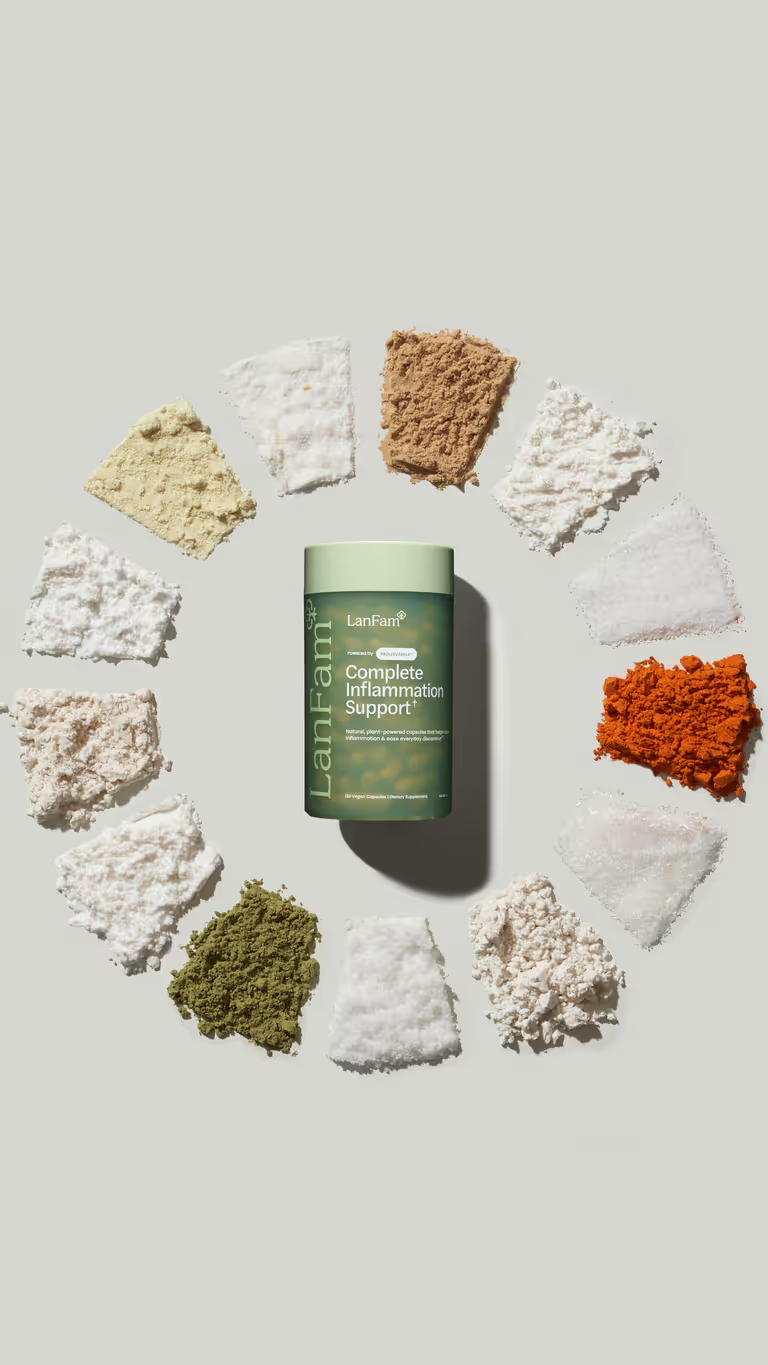
Ingredients in this letter

The compound that protects grapes from fungal attack may be doing something similar in your cells.
Resveratrol emerged from an evolutionary arms race. Plants synthesize this stilbene compound in response to stress—fungal infection, UV radiation, physical damage—as part of their chemical defense system. The molecule's antimicrobial and antioxidant properties protect plant tissue from pathogens and environmental insult.
What makes resveratrol remarkable is that these same properties appear to benefit organisms that consume it. The compound has become one of the most intensively studied natural molecules in biomedical research, with investigations spanning cardiovascular function, neurodegeneration, metabolic health, and—most fundamentally—the inflammatory processes that underlie virtually all chronic disease.
The Inflammation Cascade
Inflammation represents the body's coordinated response to threat—a complex cascade of immune cell activation, chemical signaling, and tissue modification designed to eliminate pathogens, clear damaged cells, and initiate repair. Acute inflammation is essential and protective.
Chronic inflammation presents a different picture. When inflammatory signaling persists without resolution, it transitions from protective response to pathological driver. The same mediators that clear infection begin damaging healthy tissue. Research published in Nature Medicine has implicated chronic low-grade inflammation in cardiovascular disease, type 2 diabetes, neurodegenerative conditions, autoimmune disorders, and accelerated aging.
The mechanistic details are increasingly clear. Pro-inflammatory cytokines (TNF-α, IL-1β, IL-6) activate transcription factors (particularly NF-κB) that drive further inflammatory gene expression, creating self-perpetuating cycles. Simultaneously, enzymes like COX-2 generate prostaglandins that amplify pain signaling and tissue damage. Reactive oxygen species accumulate, causing oxidative stress that further provokes inflammatory responses.
Breaking these cycles requires intervention at multiple nodes—which is precisely what makes multi-target compounds like resveratrol scientifically interesting.
Mechanisms of Action
Resveratrol influences inflammatory pathways through several distinct mechanisms that researchers continue to elucidate.
NF-κB inhibition represents perhaps the most significant effect. This transcription factor functions as a master regulator of inflammatory gene expression; its activation drives production of cytokines, chemokines, and adhesion molecules that sustain inflammatory states. Research published in the Journal of Biological Chemistry demonstrated that resveratrol inhibits NF-κB activation through multiple pathways, including interference with IκB kinase activity and direct effects on NF-κB DNA binding.
COX-2 suppression provides another mechanism. Cyclooxygenase-2 converts arachidonic acid to prostaglandins that mediate pain, fever, and inflammation—the same pathway targeted by NSAIDs. Resveratrol has shown COX-2 inhibitory activity in cellular and animal models, potentially explaining some of its anti-inflammatory effects without the gastrointestinal side effects associated with pharmaceutical COX inhibitors.
SIRT1 activation links resveratrol to metabolic health and longevity pathways. Sirtuin 1 is a NAD+-dependent deacetylase that influences glucose metabolism, mitochondrial function, and inflammatory signaling. Research suggests resveratrol activates SIRT1, which in turn deacetylates and inhibits the p65 subunit of NF-κB, creating another route to anti-inflammatory effects.
Antioxidant activity addresses the oxidative stress that both triggers and results from inflammatory processes. Resveratrol's phenolic structure allows it to neutralize reactive oxygen species directly while also upregulating endogenous antioxidant enzymes like superoxide dismutase and glutathione peroxidase.
Sources and Bioavailability
Resveratrol occurs naturally in numerous plants, with concentration varying dramatically by source and growing conditions.
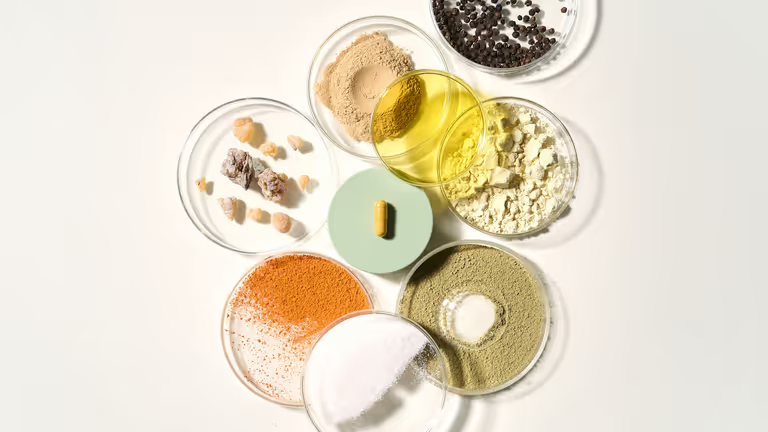
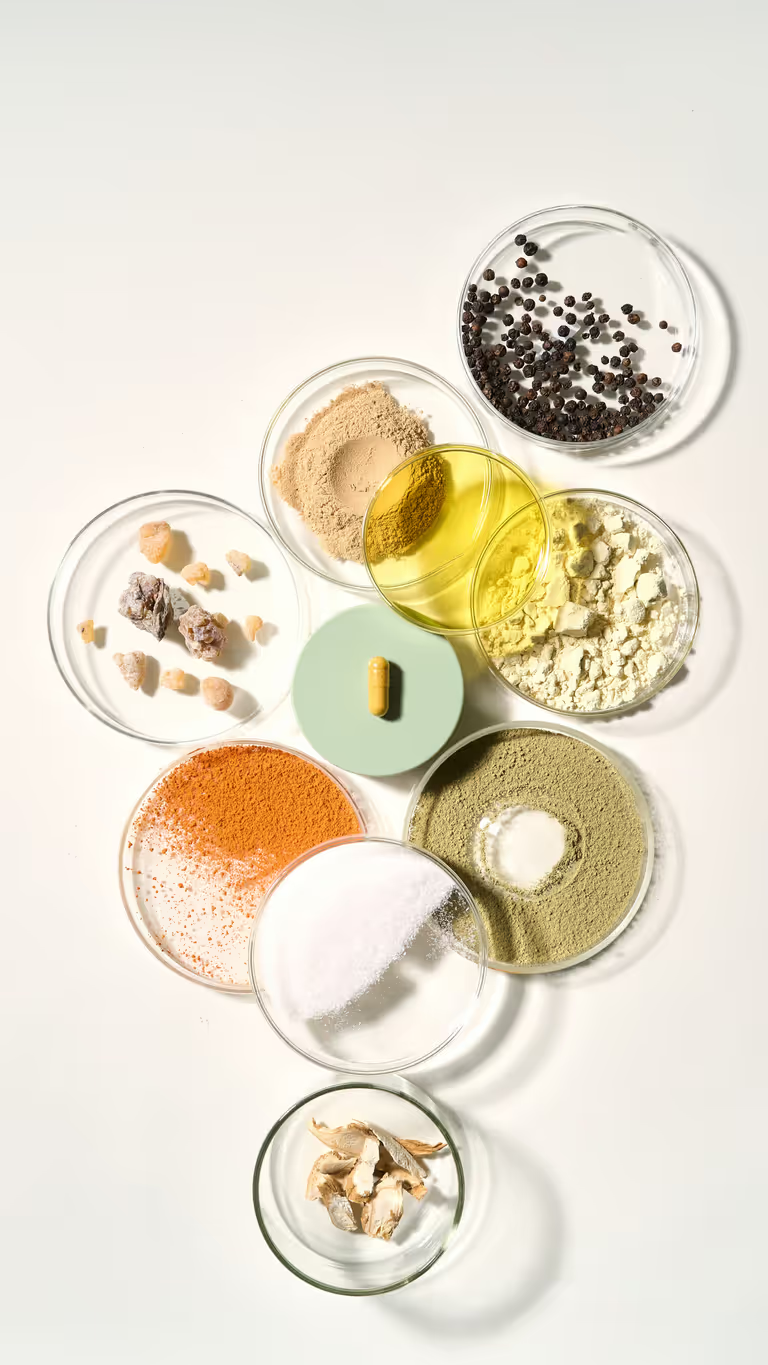
Japanese knotweed (Polygonum cuspidatum) provides the highest natural concentration and serves as the primary source for supplemental resveratrol. This invasive species—problematic in ecosystems where it crowds out native plants—has been used in traditional Asian medicine for centuries under the name "hu zhang."
Grape skins contain resveratrol at lower concentrations, with red wine providing approximately 0.2-5.8 mg per liter depending on grape variety, growing conditions, and winemaking practices. The compound's presence in wine sparked initial research interest following observations of the "French paradox"—the relatively low cardiovascular disease rates in French populations despite diets high in saturated fat.
Other dietary sources include peanuts, blueberries, cranberries, and cocoa, though at concentrations generally insufficient for therapeutic effects.
Bioavailability presents a challenge. Resveratrol undergoes rapid metabolism in the intestine and liver, with studies suggesting only about 1% of an oral dose reaches circulation in unchanged form. Glucuronide and sulfate conjugates predominate in blood, though research indicates these metabolites may retain biological activity. Formulation strategies—including combination with piperine (black pepper extract) to inhibit glucuronidation—can improve absorption.
The Evidence Landscape
Preclinical research on resveratrol has produced extensive positive findings across inflammatory, cardiovascular, neurological, and metabolic models. Human clinical evidence, while growing, remains less robust.
Inflammatory markers show consistent reduction in supplementation studies. A meta-analysis in Clinical Nutrition analyzing 17 randomized controlled trials found significant reductions in C-reactive protein (CRP) and TNF-α with resveratrol supplementation, with effects more pronounced in populations with elevated baseline inflammation.
Cardiovascular effects include improvements in endothelial function, blood pressure, and lipid profiles in some trials, though results vary with dose, duration, and population studied. The compound's effects on SIRT1 and nitric oxide bioavailability provide plausible mechanisms for cardiovascular benefit.
Glycemic control improvements appear in diabetic and prediabetic populations, consistent with resveratrol's effects on SIRT1 and AMPK signaling—pathways central to glucose metabolism.
Neurological applications remain largely preclinical, though mechanistic work suggests potential relevance to conditions characterized by neuroinflammation, including Alzheimer's disease, Parkinson's disease, and cognitive decline with aging.
Synergistic Considerations
Resveratrol's effects may be enhanced through combination with other anti-inflammatory and antioxidant compounds.
Curcumin shares multiple targets with resveratrol, including NF-κB and COX-2, while acting through distinct molecular interactions. Research suggests the combination produces greater anti-inflammatory effects than either compound alone—a finding with practical implications for formulation.
Quercetin and other polyphenols may extend resveratrol's half-life by competing for the same metabolic enzymes, effectively increasing bioavailability.
Piperine from black pepper inhibits glucuronidation, the primary pathway of resveratrol metabolism, significantly increasing absorption and circulating levels.
Practical Implications
Resveratrol represents one tool among many for addressing inflammatory processes. Its effects, while meaningful, are modest compared to pharmaceutical interventions—which makes it better suited for long-term maintenance and prevention than acute treatment.
The compound works within the context of broader lifestyle factors. Anti-inflammatory diets, adequate sleep, stress management, and regular physical activity create the foundation; targeted supplementation provides additional support where indicated.
Dosing in successful clinical trials has typically ranged from 150-500mg daily, though optimal doses for specific outcomes remain under investigation. Quality and standardization matter significantly given the variability in commercial products.
The Broader Context
The story of resveratrol illustrates a larger principle: evolution has produced vast libraries of bioactive compounds in plants, many with effects on human physiology that we're only beginning to understand. These molecules didn't evolve for human benefit—they evolved for plant survival—but the overlap between plant defense and human health creates therapeutic opportunities.
Inflammation management increasingly appears central to health maintenance and disease prevention. Compounds like resveratrol that modulate inflammatory signaling at multiple points, with favorable safety profiles, merit continued investigation and thoughtful application.
The weed that damages ecosystems may, paradoxically, offer something valuable when properly extracted and applied.


There's a seat at our table
Letters from our family to yours — the science, the recipes, the things that actually helped real families. Leave your email and we'll send the next one.