Reading Labels When You’re Managing Inflammation
Maria shares her practical approach to reading food and supplement labels — the three things she checks first, why proprietary blends are a red flag, and how absorption changes everything.
I didn’t used to read labels.
I mean, I glanced at them. Calories, maybe fat grams. The stuff we were all taught to look at in the nineties. But reading them in any meaningful way — understanding what I was actually putting in my body — that came later. After the diagnoses. After years of trying things that didn’t help. After Fabio started going deep into the research and I started going deep into the grocery aisle.
I want to be clear: I didn’t become obsessive about this. That’s not a healthy place to be either. But I did become intentional. There’s a difference.
Intentional means I check three things before buying most packaged food. It means I know what to look for on supplement bottles. It means I can walk through the store without having to read every single word on every single package — because I already know roughly what I’m looking for and what I’m not.
This is what I’ve figured out. Take what’s useful.
Why I Started
It wasn’t dramatic. I wasn’t trying to become a health food person. I just started noticing that some things seemed to make me feel worse, and I couldn’t figure out why. Two foods that looked similar — same category, similar calories — and one of them would leave me feeling puffy and off, and the other wouldn’t.
Fabio was the one who pointed me toward the ingredients. Not the nutrition label on the back — the ingredient list. The stuff that takes up two lines in tiny font that most people ignore entirely.
Once I started actually reading it, I couldn’t stop. And I got frustrated pretty quickly at how many things have ingredients that seem completely unnecessary, or at how creatively the food industry can hide things you’d rather not eat.
But again — the goal isn’t perfection. The goal is information. You can have information without being stressed by it.
The 3 Things I Check First
1. How Long Is the Ingredient List?
This is my first filter. Not a hard rule — there are foods with longer lists that are perfectly fine. But as a quick pass: if the ingredient list is long enough to wrap around the package twice, and most of those words are things I couldn’t find in my kitchen, I pause.
A loaf of good bread has maybe five or six ingredients. A loaf of shelf-stable sandwich bread can have thirty. That gap is telling me something.
I’m not saying never buy the bread with thirty ingredients. I’m saying: notice it. Ask yourself what those ingredients are doing there.
2. Sugar and Its Many Names
Sugar is the one I’ve become most fluent in because the food industry is genuinely creative about disguising it. The obvious ones are easy — cane sugar, brown sugar, honey. But then there’s dextrose, maltose, fructose, glucose, maltodextrin, high fructose corn syrup, evaporated cane juice, rice syrup, barley malt.
“Natural flavors” is a phrase that can mean almost anything, including added sweeteners and flavor enhancers.
I’m not anti-sugar. I eat fruit, I have dessert sometimes, I’m not tracking grams obsessively. But when I’m buying something savory — a sauce, a soup, a condiment — and the third ingredient is some form of sugar, that’s useful information. Added sugar in places where it doesn’t need to be is a pattern in a lot of packaged food, and high sugar intake has been studied in relation to inflammatory pathways.
3. What Oils Are in Here?
This one surprised me when Fabio explained it. I knew seed oils existed — soybean oil, canola oil, sunflower oil, corn oil. I didn’t know they were in almost everything, and I didn’t know why it might matter.
The short version: these oils are very high in omega-6 fatty acids. Omega-6 isn’t inherently bad — your body needs it. But the ratio of omega-6 to omega-3 matters. Traditional diets had a ratio of roughly 4:1. The modern Western diet is estimated to be somewhere between 15:1 and 20:1, mostly because seed oils are in everything from salad dressings to crackers to restaurant food.
I’m not trying to eliminate omega-6 entirely. But when I’m choosing between a mayonnaise made with olive oil and one made with soybean oil, I’ll pick the olive oil version. Not because one is magic, but because small choices add up across a day.
What I Actually Look For
Knowing what to avoid is only half of it. Knowing what to look for makes shopping a lot faster.
Short ingredient lists. A sauce with tomatoes, garlic, olive oil, herbs, and salt is a sauce. I don’t need to think much harder than that.
Olive oil or avocado oil instead of seed oils. These show up more now — in salad dressings, in crackers, in mayonnaise. I’ll pay a little more for them.
Whole food ingredients I recognize. Not perfectly — dried mushroom powder is a real ingredient that sounds weird but is fine. But when most of the list reads like an ingredient list rather than a chemistry chart, that’s a good sign.
Fermented or cultured ingredients. Live cultures in yogurt, sauerkraut that’s refrigerated (not shelf-stable, which means it’s been pasteurized and the cultures are dead), kimchi, miso. Fermented foods have been part of traditional diets everywhere in the world, and the research on gut health keeps pointing back to them.
Supplement Labels: This Is Where It Gets Interesting
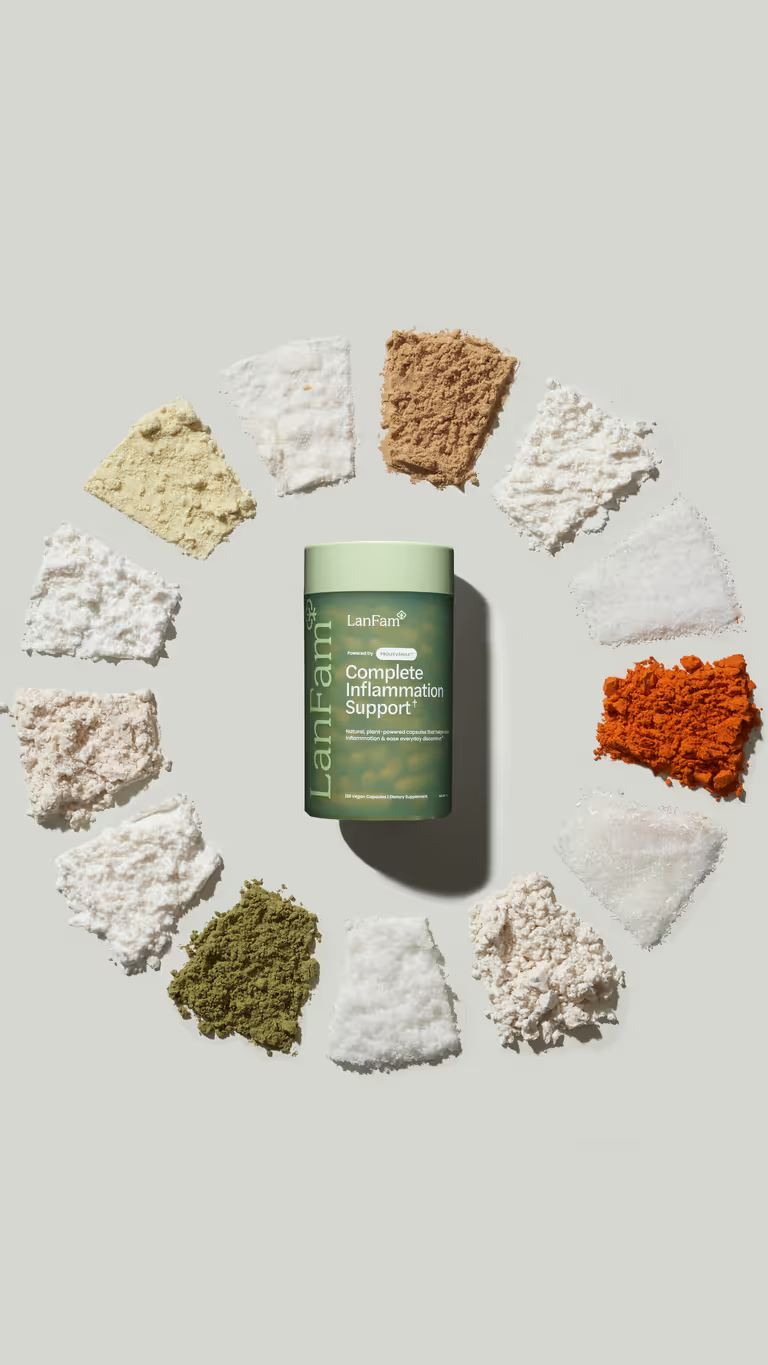
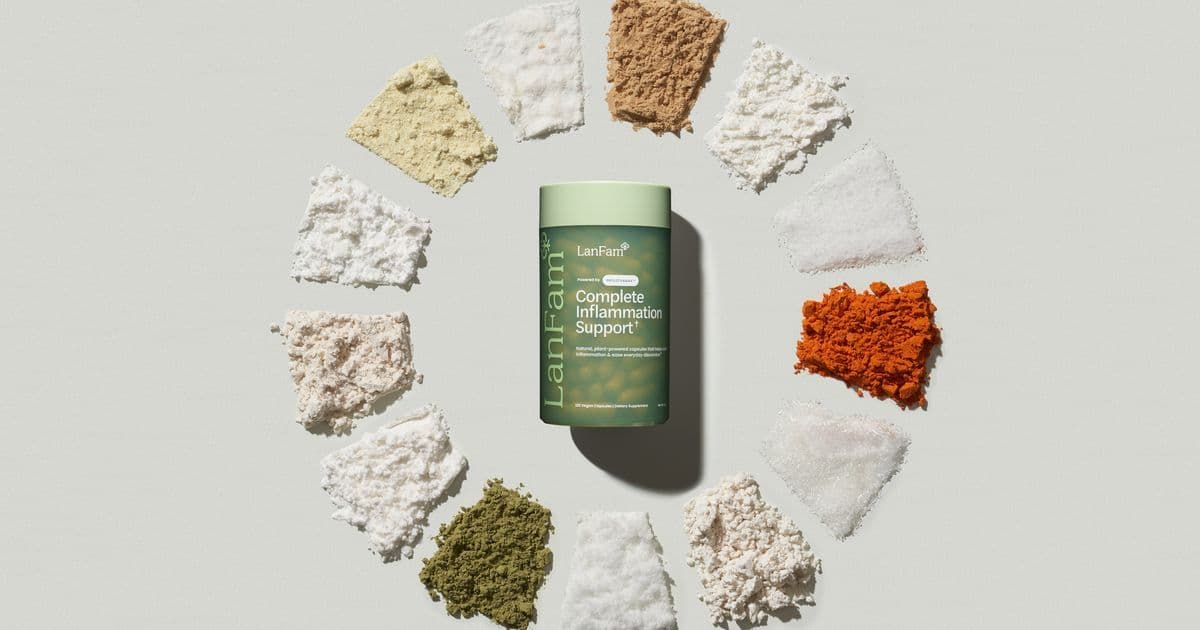
Food labels are one thing. Supplement labels are another challenge entirely, and this is where I spent the most time learning — partly because we were spending a lot of money on supplements for years before ProleevaMax existed, and a lot of them weren’t doing what the packaging suggested.
Here’s what I look for now:
Fillers and binders. Magnesium stearate is a common flowing agent used in capsule manufacturing. Titanium dioxide is a whitening agent. Silicon dioxide, microcrystalline cellulose, talc. These aren’t evil — some are genuinely inert. But when a supplement has more filler ingredients than active ones, that’s worth noticing.
Proprietary blends. This is the one that bothered me most once I understood it. A proprietary blend lists a total weight — say, “Proprietary Inflammatory Support Blend: 500mg” — and then lists the ingredients inside that blend. What it doesn’t tell you is how much of each ingredient is in there.
500mg sounds like a lot. But if that 500mg blend contains 12 ingredients, any of them could be 480mg of a cheap filler and trace amounts of the rest. You have no way to know. The company is hiding behind “proprietary” to avoid showing you whether the active ingredients are actually at meaningful doses.
I don’t buy supplements with proprietary blends anymore. I want to see the dose next to the ingredient. If a company isn’t willing to show me that, they’re not earning my trust.
Absorption. This is the piece most people miss entirely. You can take the right ingredients at the right doses and still not get much benefit if your body can’t absorb them well. The short version: some nutrients have poor bioavailability on their own and need something else to help the process along. Curcumin is the classic example — it’s studied extensively but absorbs poorly without piperine (black pepper extract).
When I look at a supplement, I ask: does this include anything that helps my body actually use these ingredients? Or is it just a list of compounds with no thought given to how they get into circulation?
Fabio’s Take on ProleevaMax’s Label
When Fabio was formulating ProleevaMax, one of the things he was most insistent about was transparency. Every ingredient listed with its individual dose. No proprietary blends. And Piperine included specifically because of the absorption data on curcumin — not as a checkbox, but because without it, a meaningful percentage of the curcumin in the formula would pass through without being used.
He told me once that a label that hides dosages is basically asking you to trust marketing instead of science. That’s not something he was willing to do.
I didn’t know enough to ask for that when we were buying supplements off the shelf before. Now it’s the first thing I check.
Making This Practical
Here’s what I actually do, because I know the risk of writing a post like this is that it sounds like you have to become a full-time label auditor to buy groceries:
Check three things. Ingredient list length, sugar and its aliases, what oil is in it. That’s the whole pass on a food label. Takes ten seconds once you know what you’re looking for.
On supplements: Look for individual dose transparency (no proprietary blends), minimal filler ingredients, and something in the formula that supports absorption.
Put back what doesn’t pass. No guilt. There’s almost always a better option nearby, or you make a note and look for it next time. Move on.
The goal is to feel informed, not stressed. You’re not going to buy perfectly every time, and you don’t need to. You’re just collecting information about what you’re putting in your body consistently over time. That information adds up.
* These statements have not been evaluated by the Food and Drug Administration. This product is not intended to diagnose, treat, cure, or prevent any disease.


There's a seat at our table
Letters from our family to yours — the science, the recipes, the things that actually helped real families. Leave your email and we'll send the next one.