The Joint Stiffness Playbook: A Complete Natural Management Strategy
A complete, evidence-based strategy for managing joint stiffness naturally — from morning routines and movement plans to nutrition, sleep positioning, and when to see a doctor.
Ingredients in this letter
By Fabio Lanzeri, CEO & Founder, LanFam Health
Forty years in pharmaceutical science and drug delivery. Formulated for family first.
This post is for educational purposes only. It does not constitute medical advice, diagnosis, or treatment. Consult your physician before beginning any new supplement or exercise regimen, particularly if you are managing a chronic condition or recovering from illness.
The hardest part of Maria's recovery wasn't the diagnosis.
It wasn't the chemotherapy, or the fatigue that came in waves, or the months of watching her body do things she didn't recognize. It was the morning she reached for a jar on the counter and couldn't grip it hard enough to twist the lid. Getting dressed had become a negotiation with her own hands.
Her fingers wouldn't cooperate. Her knees had locked overnight. She had been awake for ten minutes and already her body felt like it belonged to someone else. She was fifty-three years old, cancer was behind her, and she couldn't open a jar.
That moment is why this post exists. Because the conversation around joint stiffness — the serious, daily, rebuild-your-life kind — is too often flattened into something vague. "Stay active." "Try stretching." "Talk to your doctor." Maria had a doctor. What she needed was a playbook.
What Is Actually Causing Your Joints to Stiffen?
Joint stiffness has more than one source, and the source changes what helps.
The first source is mechanical. Over years of use, the articular cartilage — the smooth tissue that cushions the ends of your bones — thins and loses water content. The result is more bone-on-bone friction and less glide. This kind of stiffness tends to worsen with sustained positions: sitting too long, sleeping in one place, standing at a counter for an hour.
The second source is inflammatory. When the immune system sends signaling molecules — called cytokines (inflammatory signaling proteins) — to a joint, the tissue inside the joint — the membrane that produces lubricating fluid — becomes thickened and irritated. Fluid composition changes. The joint feels swollen, resistant, and hot to the touch. Inflammatory stiffness is the kind that responds to movement: it loosens with gentle use because circulation helps clear the cytokines.
For Maria, the cancer treatment had triggered systemic inflammation. Her immune system, already disrupted, was flooding her joints with signals it didn't need to send. Understanding that distinction — mechanical versus inflammatory — was the first step toward knowing what to do.
Why Mornings Are the Worst
If you notice that your joints feel worst in the first thirty to sixty minutes after waking, there is a reason backed by decades of circadian biology research.
Inflammatory cytokines — including IL-6 and TNF-alpha, two of the body's key inflammatory signaling proteins — follow a circadian rhythm, peaking in the early morning hours while we sleep. The body's inflammatory activity is highest between 2 a.m. and 6 a.m., precisely when you're immobile and unable to counteract it with movement. [1]
Add to that the overnight drop in cortisol — the body's natural anti-inflammatory hormone — and you have a window where inflammation is peaking and suppression is at its lowest. The result is the familiar gel-like resistance that greets you when you first try to move.
This also means that your first twenty minutes out of bed matter more than most people realize. Gentle movement in that window — not aggressive, not forced — is among the most evidence-supported interventions available for morning joint stiffness.
Movement Strategies That Help (Specifically)
"Stay active" is not a plan. Here is one.
For morning stiffness: Before getting out of bed, spend three to five minutes doing slow ankle circles, gentle knee bends, and wrist rotations under the covers. The goal is not exercise — it is priming synovial fluid circulation before you load the joint. Synovial fluid is not static; it requires movement to distribute across the joint surface.
For mechanical stiffness from inactivity: Land-based exercise produces clinically meaningful reductions in pain and functional limitations for people with knee osteoarthritis. [2] The key variables: consistency over intensity, low-impact loading (walking, cycling, water exercise), and at least three sessions per week. Progressive resistance training protects cartilage by increasing the load-bearing capacity of surrounding muscle. [3]
For inflammatory stiffness: Aquatic exercise deserves specific mention. The water supports your body weight — it reduces joint load while the resistance maintains muscle activation. Studies on hydrotherapy in joint conditions consistently show improvements in pain and range of motion, particularly for individuals recovering from illness or surgery where land-based impact is too high a starting point.
Maria started with the bed-based morning routine. Within two weeks, she was walking to the corner and back. Within six weeks, she was managing the stairs without gripping the railing.
Temperature Therapy: The Right Tool for the Right Moment
Heat and cold are not interchangeable. Using the wrong one at the wrong time makes things worse.
Heat increases circulation and relaxes muscle tissue around the joint. Use it for chronic stiffness — the morning gel, the post-inactivity lock. Fifteen to twenty minutes before movement is a useful pairing.
Cold reduces circulation and numbs nerve signals. Use it for acute flares — a joint that is newly swollen, hot to the touch, or recently strained. Applying heat to an actively inflamed joint can increase swelling. Simple rule: cold for acute, heat for chronic.
The Gut-Joint Connection
This one surprises people, but the science is clear.
Gut dysbiosis — an imbalance in gut bacteria — is associated with elevated systemic inflammatory markers that affect joint tissue. [4] When the gut lining is compromised, bacterial byproducts enter the bloodstream and can trigger immune responses that settle in synovial tissue. Our post on gut bacteria covers the mechanism in full. Supporting gut integrity is a legitimate strategy for managing joint inflammation — not an alternative medicine detour.
Nutrition's Role in Joint Stiffness
The anti-inflammatory eating plan we published covers day-to-day food choices in detail. Here, the joint-specific highlights:
Omega-3 fatty acids (fatty fish, flaxseed, walnuts) help support a healthy inflammatory response at the cellular level. Omega-3 supplementation is associated with reductions in joint pain intensity and morning stiffness duration. [5]
Vitamin D deficiency is consistently associated with increased joint pain and decreased physical function. [9]
Collagen peptides (hydrolyzed type II) have preliminary clinical evidence for cartilage support. [6] When choosing a collagen supplement, look for clean sourcing — grass-fed, pasture-raised, or wild-caught — and avoid synthetic collagen. Third-party testing is worth checking for.
Processed sugars and refined carbohydrates drive the inflammation cascade in ways that directly affect synovial tissue. Reducing them is not a dietary opinion — it is a biochemical input.
Sleep Positioning and Joint Health
Most people don't think about joint stiffness as something that happens while they sleep. It does.
Side sleeping with no support between the knees puts the hip and knee joints in a position of sustained adduction — one leg pulling the other inward — that compresses the outer joint surface for hours. A pillow between the knees neutralizes this. For shoulder stiffness, sleeping with the affected shoulder down adds compression and reduces circulation; back sleeping or a body pillow for support is preferable.
When Stiffness Signals Something More Serious
This is the part most playbooks skip. We won't.
Stiffness that meets any of these criteria warrants a conversation with your physician before self-managing:
These patterns can indicate autoimmune conditions, infection, or malignancy that require medical evaluation. Being thorough here is not fear-mongering — it is responsible guidance.
The Gap We Kept Running Into
Every strategy in this playbook is evidence-based and worth doing. But after forty years formulating drug delivery systems, I kept seeing the same gap.
Medical care is excellent at diagnosis and crisis intervention. It is less designed for the daily rebuild — the gap between the acute event and full functional recovery. The gap where you are no longer sick, but not yet well. Where you know what to do but your body needs additional support to respond.
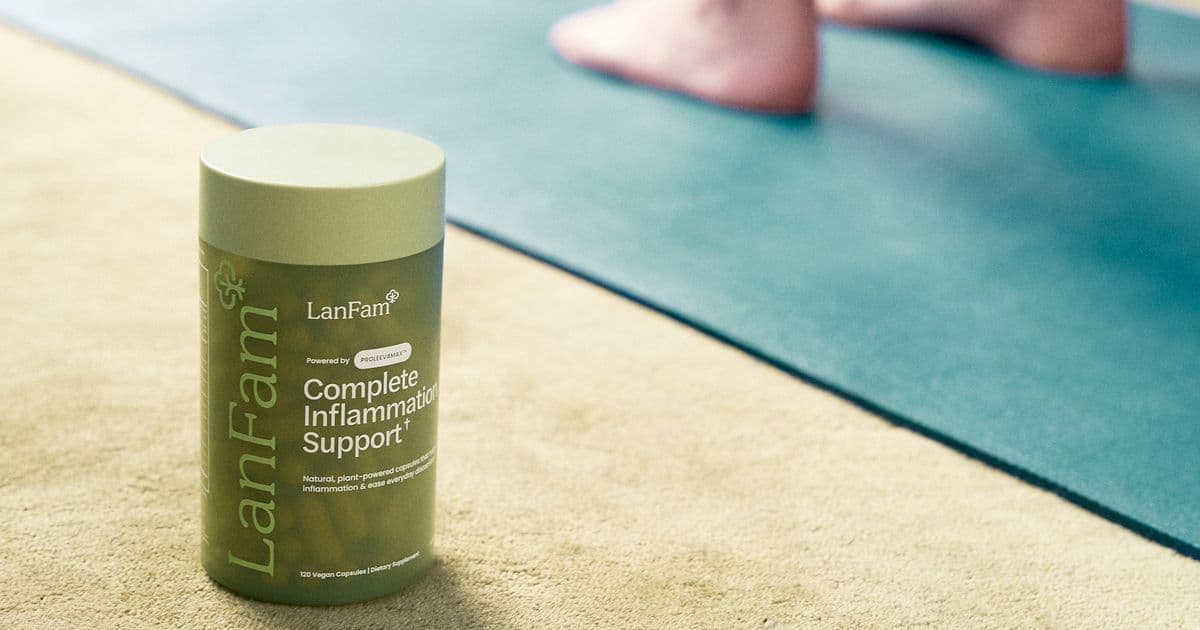
That gap is where Maria lived for months. And it is what we built ProleevaMax to address.
Why We Built ProleevaMax
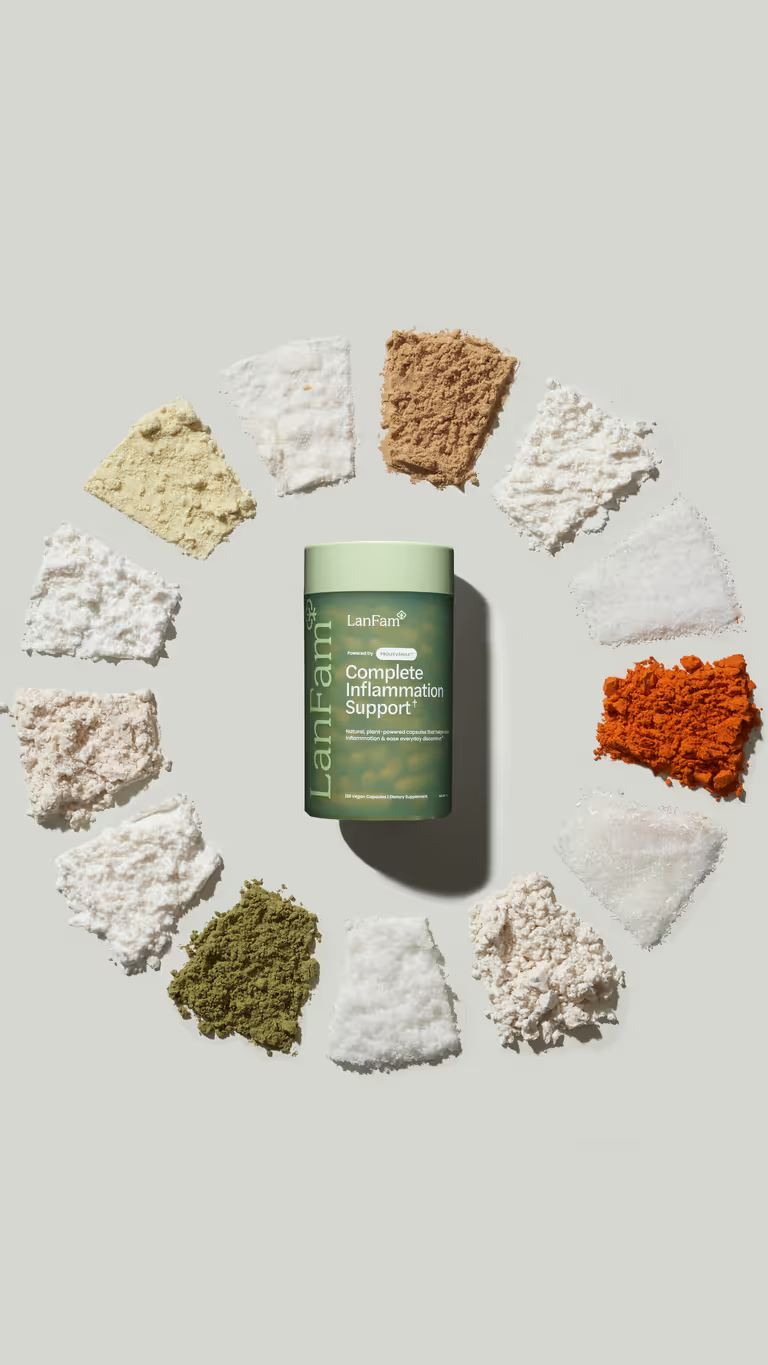
ProleevaMax is a multi-pathway support formula. I formulated it with the same rigor I applied to pharmaceutical drug delivery — because the person taking it was my wife, and I held it to that standard. You can read more about why we built this on our family's standard page.
The ingredients are chosen for mechanism, not marketing:
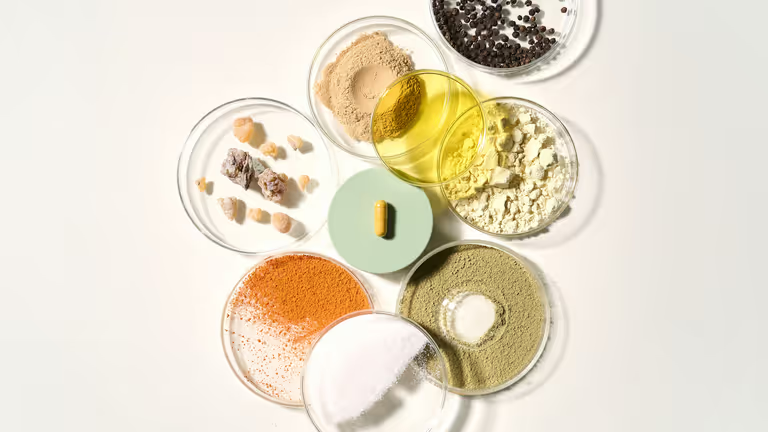
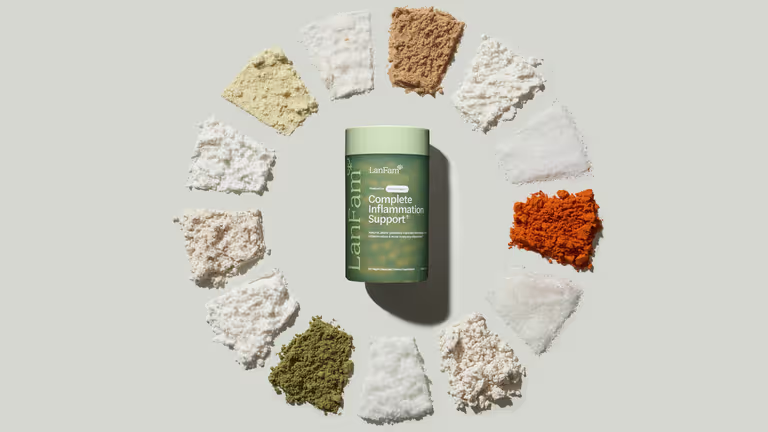
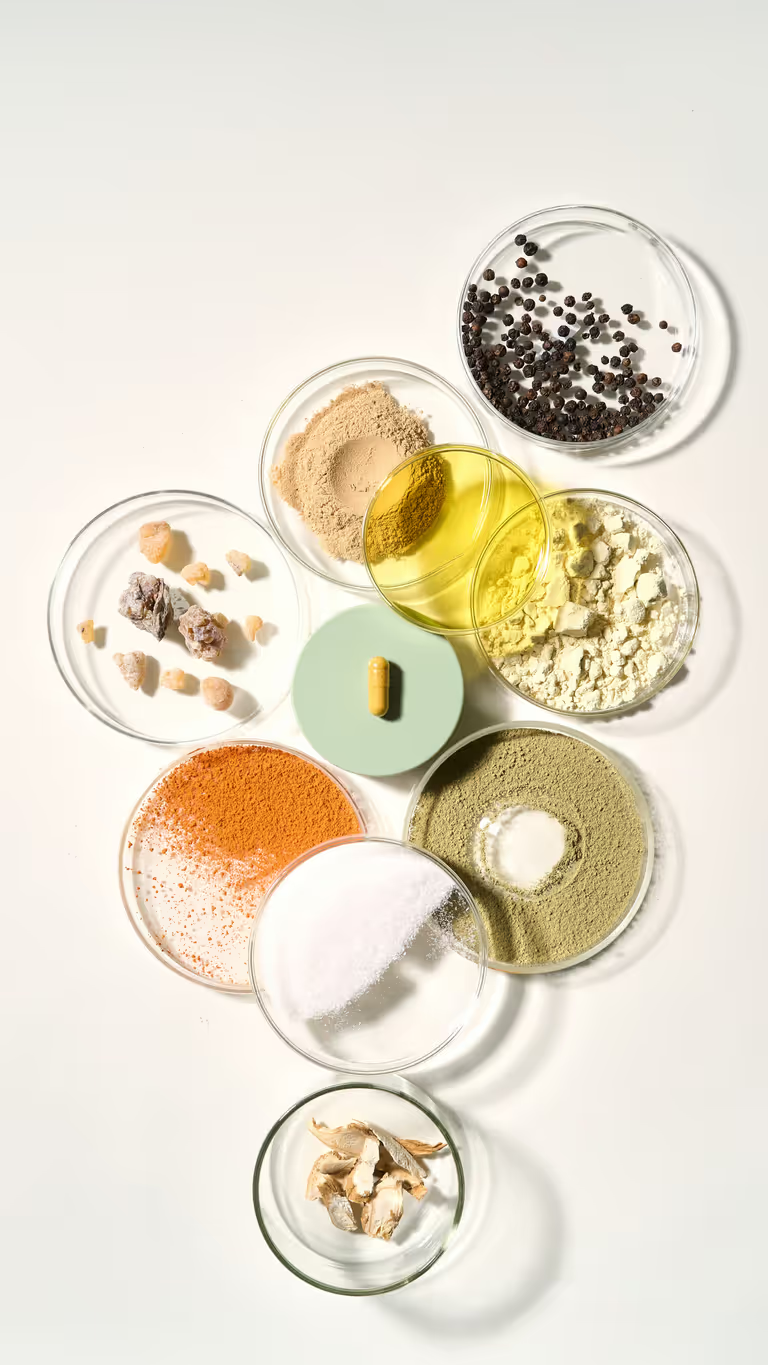
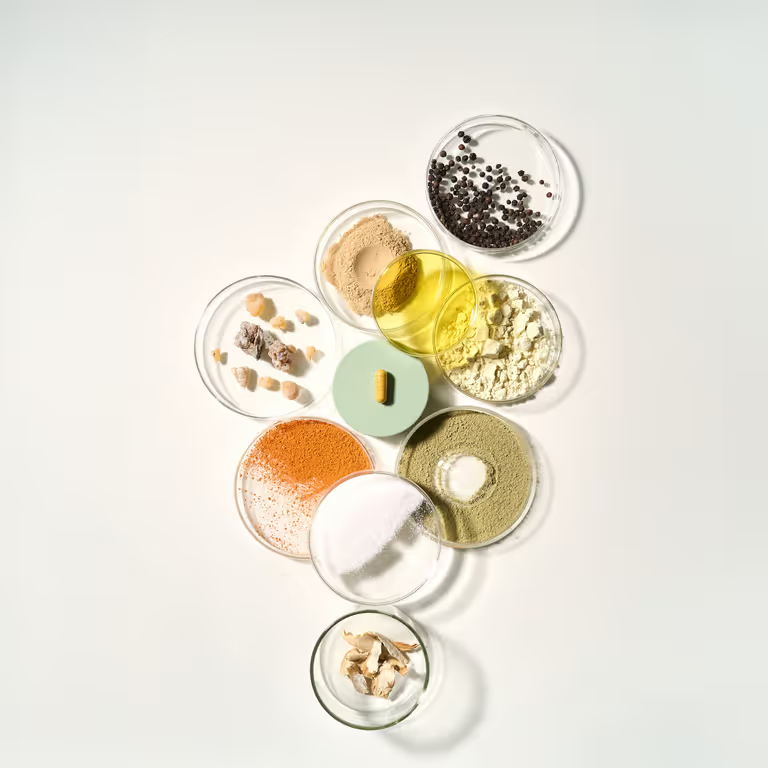
Curcumin (standardized) + Boswellia serrata extract. These two work on different arms of the inflammatory pathway — curcumin — the main active compound in turmeric — on NF-kB (the body's master inflammatory switch), Boswellia on 5-LOX (an enzyme that produces inflammatory signaling molecules). A clinical trial found the combination more effective for joint discomfort than either ingredient alone. [7] Together, they help support a healthy inflammatory response* in the synovial tissue where stiffness originates.
L-Glutamine. The primary fuel source for the cells that line your gut. Included because of the gut-joint connection — supporting gut lining integrity helps address one of the upstream contributors to systemic inflammation.* The dose matters; we used a clinically relevant amount.
Piperine (black pepper extract). Curcumin has poor bioavailability on its own — absorbed and cleared before it can work. Piperine inhibits the enzyme responsible for curcumin's rapid metabolism, increasing absorption by up to 2,000% in clinical pharmacokinetic studies. [8] Without it, much of the curcumin in a formula does nothing.
L-Arginine. A precursor to nitric oxide that supports vascular tone and circulation, helping nutrients reach joint tissue.*
We built this because the strategies in this playbook are real, and they work better when the underlying inflammatory environment is also being addressed. That is the gap we are filling — not replacing the playbook, completing it.
This post was written with AI assistance and reviewed by the LanFam Health team for accuracy and brand alignment.
FDA Disclaimer: These statements have not been evaluated by the Food and Drug Administration. ProleevaMax is not intended to diagnose, treat, cure, or prevent any disease. Consult your healthcare provider before starting any supplement, especially if you are pregnant, nursing, taking medications, or managing a medical condition.
References
1. Cutolo M, Straub RH, Bijlsma JWJ. "Neuroendocrine-immune interactions in synovitis." Annals of the Rheumatic Diseases. 2007;66(Suppl 3):iii62-iii64. DOI: 10.1136/ard.2007.078857
2. Fransen M, McConnell S, Harmer AR, et al. "Exercise for osteoarthritis of the knee: a Cochrane systematic review." British Journal of Sports Medicine. 2015;49(24):1554-1557. DOI: 10.1136/bjsports-2015-095424
3. Bennell KL, Hinman RS. "A review of the clinical evidence for exercise in osteoarthritis of the hip and knee." Journal of Science and Medicine in Sport. 2011;14(1):4-9. DOI: 10.1016/j.jsams.2010.08.002
4. Tajik N, et al. "Targeting the gut-joint axis for treatment of inflammatory arthritis." Cellular and Molecular Immunology. 2024;21:1100-1117. DOI: 10.1038/s41423-024-01196-0
5. Gioxari A, Kaliora AC, et al. "Intake of omega-3 polyunsaturated fatty acids in patients with rheumatoid arthritis: A systematic review and meta-analysis." Nutrition. 2018;45:114-124. DOI: 10.1016/j.nut.2017.06.023
6. Bello AE, Oesser S. "Collagen hydrolysate for the treatment of osteoarthritis and other joint disorders: a review of the literature." Current Medical Research and Opinion. 2006;22(11):2221-2232. DOI: 10.1185/030079906X148373
7. Belcaro G, et al. "Efficacy and safety of Meriva, a curcumin-phosphatidylcholine complex, during extended administration in osteoarthritis patients." Alternative Medicine Review. 2010;15(4):337-344. PMID: 21194249
8. Shoba G, et al. "Influence of piperine on the pharmacokinetics of curcumin in animals and human volunteers." Planta Medica. 1998;64(4):353-356. DOI: 10.1055/s-2006-957450
9. Holick MF. "Vitamin D deficiency." New England Journal of Medicine. 2007;357(3):266-281. DOI: 10.1056/NEJMra070553
Related Reading
If you want to go deeper on the research behind this guide, these are the supporting articles in the LanFam library:
Anti-Inflammatory Supplements for Joint Pain: What the Evidence Actually Says
Natural Anti-Inflammatory for Back Pain: Why Most Treatments Miss the Root Cause
Moving Your Body When Your Body Says No
Best Supplements for Menopause Joint Pain: What the Research Actually Supports

There's a seat at our table
Letters from our family to yours — the science, the recipes, the things that actually helped real families. Leave your email and we'll send the next one.