What Is Neuroinflammation? (And Why Your Brain Fog Might Not Be "Just Stress")
Brain fog isn't always stress. Sometimes it's neuroinflammation — and the fix isn't more sleep. What it actually is, how to spot it, and what helps.
Ingredients in this letter

Your Brain Has Its Own Immune System - And It Can Get Stuck in "On"
Most people know what inflammation feels like in the body. A swollen ankle. The redness around a cut. The ache in a joint that won't quit. That kind of inflammation is visible, localized, and - when it works correctly - temporary.
Neuroinflammation is different. It happens inside the brain and spinal cord, it's driven by a completely separate set of immune cells, and you can't see or feel it directly. What you often notice instead are its effects: a mind that won't sharpen, energy that doesn't return after sleep, moods that feel heavier than the circumstances warrant.
Understanding what neuroinflammation actually is - mechanically, not just abstractly - changes how you think about those experiences. It moves them from "I'm just stressed" to something you can do something about.
What Is Neuroinflammation, Exactly?
Neuroinflammation is the activation of the brain's immune response. It's characterized by the release of pro-inflammatory signaling molecules (cytokines, chemokines, and reactive oxygen species) within brain tissue and the central nervous system (CNS).
The key distinction from systemic inflammation: the cells doing the work are different.
In the body, inflammation is largely managed by white blood cells - neutrophils, macrophages, and lymphocytes that travel through the bloodstream. The brain, however, is behind a wall that most of those cells can't cross: the blood-brain barrier.
Inside that wall, the immune work falls primarily to microglia - a type of glial cell that accounts for roughly 10-15% of all cells in the brain. Microglia are the brain's resident immune sentinels. They scan the tissue constantly for pathogens, damaged cells, and chemical signals from the rest of the body.
When microglia detect a threat, they activate. They change shape, migrate toward the problem, and release inflammatory mediators to address it. Under normal circumstances, once the threat is cleared, they return to a resting "surveillance" state.
The problem is when they don't.
Why Microglia Get Stuck in the "On" Position
Microglia can be triggered by a range of inputs:
- Infection - including viral infections, which are increasingly associated with post-infectious neuroinflammation
- Physical head trauma - even mild, repeated impact
- Systemic inflammation - cytokines produced in the gut or elsewhere can signal across or through the blood-brain barrier, alerting microglia without a pathogen ever entering the brain
- Psychological stress - chronic stress elevates cortisol and pro-inflammatory cytokines that affect CNS immune tone
- Poor sleep - the brain clears metabolic waste (including inflammatory byproducts) primarily during deep sleep, via the glymphatic system. Disrupted sleep means reduced clearance.
- Dietary factors - ultra-processed diets and blood sugar dysregulation are associated with elevated systemic inflammatory load that feeds CNS signaling
Once microglia stay in an activated state beyond what the triggering event warrants, the inflammatory mediators they release can begin damaging the neurons they were meant to protect - a pattern researchers describe as microglial overactivation. Research on microglial activation states is ongoing across several fields, including neurology and psychiatry.
How Neuroinflammation Produces Symptoms
Neuroinflammation doesn't create dramatic, acute symptoms the way a broken bone does. It tends to produce a slow-building, diffuse pattern of functional disruption. Here's what's happening mechanically behind the experiences people commonly report:
Brain Fog and Slowed Processing
Inflammatory cytokines - particularly IL-1β, IL-6, and TNF-α - interfere with synaptic transmission. Neurons communicate via chemical signals (neurotransmitters) across synapses. When the synaptic environment is disrupted by inflammatory activity, signal transmission slows. The result is what people describe as thinking through mud: words that won't come, decisions that take too long, difficulty retaining new information.
Mental Fatigue That Sleep Doesn't Fix
Microglia activation requires significant metabolic energy. The brain, already the most energy-intensive organ in the body (consuming roughly 20% of the body's energy despite being 2% of its weight), has fewer resources for higher cognitive function when immune activity is running in the background. This is a structural explanation for why people with persistent neuroinflammatory burden feel cognitively tired even after adequate rest.
Mood Disruption and Lowered Resilience
The inflammatory pathway interferes directly with serotonin synthesis. One mechanism: pro-inflammatory cytokines upregulate an enzyme called IDO (indoleamine 2,3-dioxygenase), which diverts tryptophan - the amino acid precursor to serotonin - away from serotonin production and toward kynurenine, a neuroactive compound associated with anxiety and depressive states. This is one reason neuroinflammation and mood disorders appear alongside each other in clinical literature. See: the inflammatory theory of depression, which has generated substantial research interest over the past two decades.
Sleep Disruption
Neuroinflammation affects the hypothalamic systems that regulate sleep-wake cycles. Activated microglia alter the signaling environment in ways that can increase nighttime wakefulness and reduce slow-wave (restorative) sleep - the same sleep stage where glymphatic clearance of inflammatory byproducts occurs. This creates a self-reinforcing loop: neuroinflammation disrupts sleep, and disrupted sleep allows neuroinflammatory byproducts to accumulate.
The Blood-Brain Barrier Problem
The brain is protected by one of the most selective physiological barriers in the human body. The blood-brain barrier (BBB) is formed by tightly joined endothelial cells lining the capillaries that supply brain tissue. It controls precisely what enters: oxygen, glucose, and a narrow set of molecules that meet specific size, charge, and transporter criteria.
This is why addressing neuroinflammation nutritionally is not the same as addressing systemic inflammation.
Many anti-inflammatory compounds that work well in the body - including some plant polyphenols, standard B vitamins in certain forms, and many herbal extracts - are too large, too water-soluble, or lack the transport mechanisms to cross the BBB in meaningful concentrations.
What does cross, or support BBB function, matters enormously.
Ingredients That Cross the Blood-Brain Barrier (and Why It Matters)
This is where ingredient selection becomes the actual science - not just marketing. For anyone supporting their neurological health nutritionally, the question isn't just "does this reduce inflammation?" It's "does this reduce inflammation where the brain can use it?"
Here's a look at the key compounds relevant to this:
L-Serine
L-Serine is an amino acid synthesized by astrocytes (a type of brain support cell) and is a required precursor to phosphatidylserine, a phospholipid that makes up a significant portion of neuronal cell membranes. It crosses the blood-brain barrier via its own transport system (ASCT1). Within the brain, it supports neurotransmitter synthesis and is involved in the regulatory pathways that modulate microglial activity. Research on L-Serine's role in neurological support is ongoing, and it appears in the formulation behind LanFam Health's Complete Inflammation Support (Powered by ProleevaMax) for this reason.
Curcumin (in specific delivery forms)
Standard curcumin has famously poor bioavailability and limited BBB penetration due to rapid metabolism. However, certain delivery forms - including phospholipid-complexed curcumin and nano-emulsified formulations - have demonstrated improved CNS access in preclinical research. Studies show that lipid-based delivery significantly improves curcumin's plasma concentration and, in some models, its CNS presence. The delivery method matters as much as the ingredient.
Choline
Choline is the dietary precursor to acetylcholine, a neurotransmitter critical to memory, attention, and the cholinergic anti-inflammatory pathway - a neural circuit that directly suppresses macrophage and microglial activation. Choline crosses the BBB via a specific choline transporter, and adequate dietary choline intake is associated with maintaining the acetylcholine signaling that keeps neuroinflammatory tone in check.
5-HTP and Vitamin B6
5-Hydroxytryptophan (5-HTP) is the immediate precursor to serotonin and crosses the blood-brain barrier readily via large neutral amino acid transporters. B6 (pyridoxal phosphate) is the required cofactor for the enzyme that converts 5-HTP into serotonin. Together, they support the serotonin pathway that neuroinflammation actively disrupts through the IDO mechanism described above. Supporting serotonin synthesis downstream of where neuroinflammation interferes is a direct, mechanistic approach.
GABA
GABA (gamma-aminobutyric acid) is the brain's primary inhibitory neurotransmitter. Whether exogenous GABA crosses the BBB directly has been debated; the current evidence suggests it has limited direct CNS penetration but may act on peripheral GABA receptors that modulate CNS tone, and some newer delivery mechanisms show improved outcomes. Regardless of mechanism, maintaining inhibitory tone in the nervous system - calming an overactivated response - is consistent with the goal of supporting a brain under inflammatory stress.
Neuroinflammation vs. Systemic Inflammation: The Key Differences
Understanding this distinction helps clarify why a "one-size-fits-all" inflammation support approach often falls short for people experiencing cognitive and neurological symptoms specifically.
| | Systemic Inflammation | Neuroinflammation | |---|---|---| | Primary immune cells | Neutrophils, macrophages, lymphocytes | Microglia, astrocytes | | Location | Bloodstream, peripheral tissues | Brain, spinal cord | | Barrier | None - travels in blood | Blood-brain barrier restricts access | | Visible signs | Redness, swelling, warmth | None visible externally | | Primary symptoms | Joint pain, swelling, fatigue | Brain fog, mood shifts, cognitive slowing | | Resolution signal | Immune cell clearance | Microglial return to resting state |
Both can coexist and drive each other. Elevated systemic inflammatory load is consistently associated with increased neuroinflammatory activity - which is why addressing whole-body inflammatory pathways remains relevant even when the most noticeable symptoms are neurological. You can read more about that specific connection in our post: Inflammation and Brain Fog: The Biological Connection Most People Miss.
What a Multi-Pathway Approach Looks Like in Practice
Because neuroinflammation involves multiple interacting systems - microglial activation, cytokine signaling, neurotransmitter disruption, oxidative stress, and barrier integrity - addressing it with a single-ingredient approach is inherently incomplete.
A formulation designed to support neurological and systemic inflammation simultaneously would need to:
1. Include ingredients that cross the BBB - not just act in the periphery 2. Address the serotonin/kynurenine balance disrupted by IDO upregulation 3. Support neurotransmitter precursors (choline for acetylcholine, 5-HTP for serotonin) 4. Address systemic inflammatory pathways that signal to the CNS (NF-κB, COX-2, cytokine production) 5. Support nervous system regulatory tone (GABA pathway)
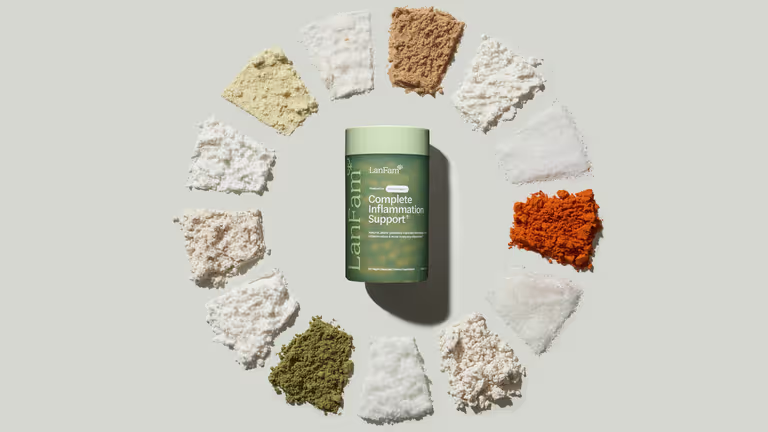
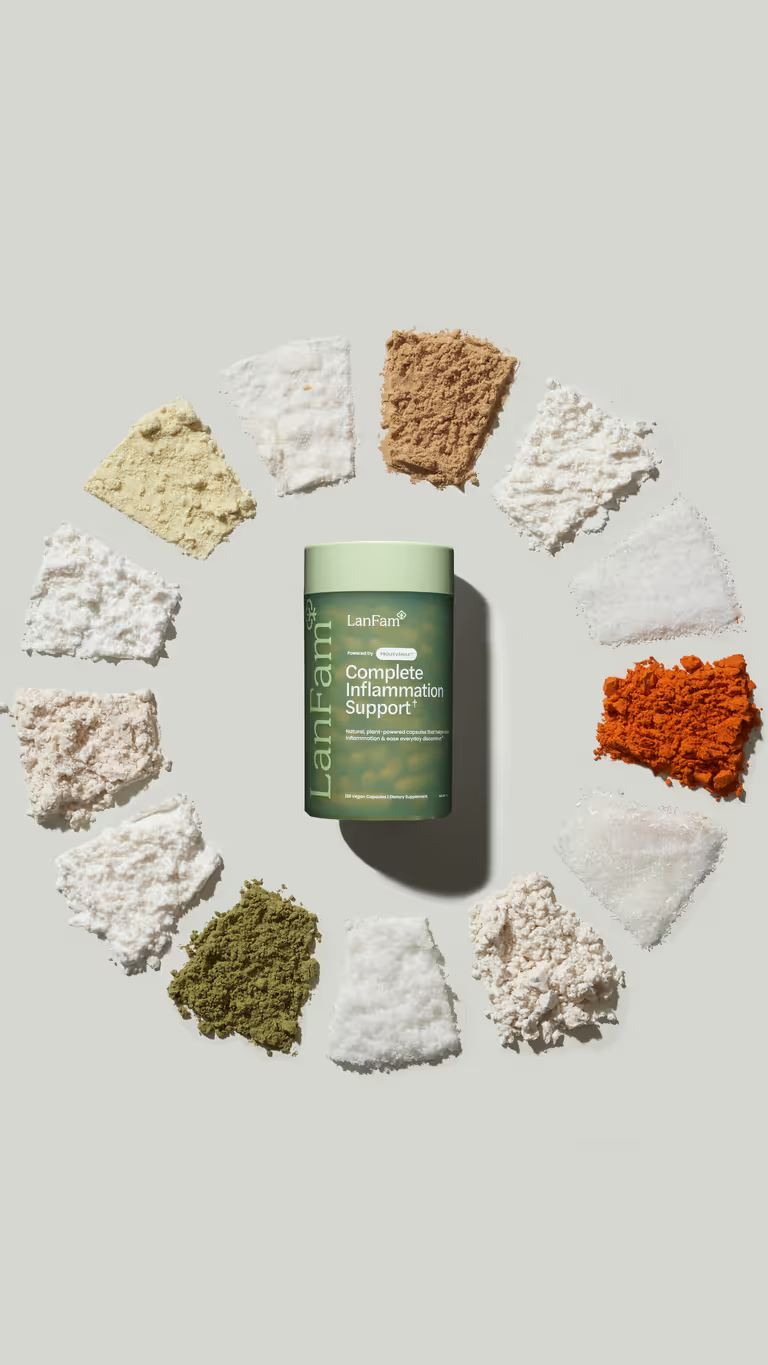
LanFam Health's Complete Inflammation Support was formulated with exactly this framework - 13 ingredients targeting 6 inflammatory pathways, including the neurological and neuroimmune ones that systemic-only formulas typically miss. The clinical data behind the core formula showed a 22-point reduction on the McGill Pain Questionnaire at 8 weeks (p=0.042) - a statistically significant outcome in a validated pain and inflammation assessment tool.
You can review the full ingredient rationale on our Ingredients page and the supporting science at /science.
If the Fog Won't Lift, the Brain Might Be the Right Place to Look
Most inflammation conversations focus on joints, digestion, and systemic markers. The brain rarely enters the picture until something is seriously wrong. But for a significant portion of people experiencing persistent cognitive fatigue, mood instability, and that frustrating inability to think clearly - the source may be exactly there: a neuroinflammatory process that systemic-only approaches aren't designed to reach.
Understanding the distinction changes what you look for, and what you support.
If you're exploring nutritional approaches to inflammation that address the neurological pathways specifically - including the ingredients that actually cross the blood-brain barrier - Complete Inflammation Support by LanFam Health was built with that framework in mind. Backed by clinical data, formulated across 6 pathways, and supported by a 90-day money-back guarantee.
Ready when you are.
These statements have not been evaluated by the Food and Drug Administration. This product is not intended to diagnose, treat, cure, or prevent any disease. This article is for informational and educational purposes only and is not a substitute for professional medical advice, diagnosis, or treatment. Consult your healthcare provider before beginning any new supplement regimen.

Frequently asked questions

There's a seat at our table
Letters from our family to yours — the science, the recipes, the things that actually helped real families. Leave your email and we'll send the next one.