Anti-Inflammatory Breakfast: 7 Research-Backed Ideas to Start Your Day With Less Inflammation
Most breakfasts spike inflammation before you finish your coffee. Seven research-backed swaps that calm the cortisol-glucose loop instead of feeding it.
Ingredients in this letter
Why Breakfast Specifically Matters for Inflammation
Here's the part most "anti-inflammatory foods" lists skip: timing matters.
Cortisol — the hormone that regulates your stress response — follows a daily rhythm that peaks within the first 30 to 60 minutes of waking. This is the cortisol awakening response, and it's biologically normal. What's not normal is what happens when a high-cortisol state gets paired with a high-glycemic breakfast: a bagel, sugary cereal, flavored coffee drink, toaster pastry.
When blood sugar spikes sharply while cortisol is already elevated, the insulin response amplifies, and the resulting glucose–insulin–cortisol interaction promotes production of pro-inflammatory cytokines like interleukin-6 (IL-6) and tumor necrosis factor alpha (TNF-α). Research published in the Journal of Clinical Endocrinology & Metabolism has documented this pattern. A 2020 review in Nutrients went further, showing that chronic high-glycemic breakfasts are associated with elevated C-reactive protein (CRP) — a common inflammatory marker measured in blood tests.
Translation: what you eat in the first hour doesn't just determine whether you're hungry at 10:30. It sets an inflammatory tone that your body carries through most of the day.
Flip the script — replace the high-glycemic breakfast with one built on omega-3s, polyphenols, fiber, and anti-inflammatory spices — and you get the reverse effect. The cortisol wave still happens (it's supposed to), but the foods you pair with it actively quiet the inflammatory cascade instead of feeding it.
The 7 Ingredients That Do Most of the Work
Before the breakfasts themselves, here are the ingredient categories every anti-inflammatory breakfast should draw from:
- Berries — anthocyanins (the pigments that make blueberries blue and strawberries red) reduce inflammatory markers. A 2013 study in the Journal of Nutrition found that a single daily serving of mixed berries measurably lowered inflammatory biomarkers over 8 weeks.
- Omega-3 fats — fatty fish (salmon, sardines, mackerel), walnuts, flax seeds, chia seeds. Omega-3s compete with omega-6s at the enzyme level, favoring anti-inflammatory prostaglandin production over pro-inflammatory ones.
- Extra-virgin olive oil — contains oleocanthal, a compound that inhibits COX-1 and COX-2 enzymes similarly to ibuprofen, as documented in the landmark 2005 Nature paper by Beauchamp et al..
- Turmeric + black pepper — curcumin (the active compound in turmeric) modulates multiple inflammatory pathways including NF-κB, but its bioavailability is poor on its own. Piperine from black pepper increases curcumin absorption by up to 2,000%, per a classic 1998 pharmacology study.
- Ginger — gingerols and shogaols inhibit prostaglandin synthesis. A 2013 Journal of the International Society of Sports Nutrition study showed ginger reduced muscle inflammation markers after exercise.
- Leafy greens — spinach, kale, arugula deliver folate, magnesium, and polyphenols. Low folate and magnesium are both associated with elevated inflammatory markers in population studies.
- Whole grains (beta-glucan) — steel-cut oats, sourdough from fermented whole wheat, quinoa. The beta-glucan fiber in oats in particular has been linked to lower CRP in several trials, including this 2010 British Journal of Nutrition review.
The rule for every breakfast below: pick at least two of the seven categories. Three or four is better.
7 Anti-Inflammatory Breakfast Ideas Backed by Research
1. Overnight Oats with Berries, Walnuts, and Cinnamon
Why it works: Three categories in one bowl — whole grain (oats), berries (anthocyanins), omega-3 (walnuts). Cinnamon is a bonus; it's been shown in a 2012 meta-analysis to improve fasting blood glucose, which further dampens the insulin-inflammation loop.
Base recipe:
- ½ cup rolled oats (steel-cut is even better if you prep the night before)
- ¾ cup unsweetened almond milk or whole milk
- 1 tbsp chia seeds
- ½ cup mixed berries (fresh or frozen)
- 2 tbsp chopped walnuts
- ½ tsp ground cinnamon
- Drizzle of raw honey (optional, keep small — the berries add enough sweetness)
Combine in a jar the night before. Refrigerate. Eat cold or warm.
The "skip this" note: Pre-packaged flavored instant oatmeal has 12–15g of added sugar per packet. That erases most of the anti-inflammatory benefit. Use plain oats.
2. Sourdough Avocado Toast with Egg and Cracked Pepper
Why it works: Sourdough uses a long fermentation that lowers the glycemic response compared to standard whole-wheat bread. Avocado delivers monounsaturated fats (structurally similar to olive oil). The egg adds protein that blunts the glycemic response further. Black pepper isn't just flavor — piperine is genuinely bioactive.
Base recipe:
- 1 slice whole-grain sourdough, toasted
- ½ ripe avocado, mashed with a squeeze of lemon and a pinch of salt
- 1 egg — poached, soft-scrambled in extra-virgin olive oil, or fried in the same
- Generous cracked black pepper
- Optional: red pepper flakes, microgreens, or a thin slice of tomato
The "skip this" note: Most commercial "multigrain" bread is refined flour with a few seeds on top. Real sourdough (look for 2–3 ingredients max: flour, water, salt, sometimes a starter culture) is what you want.
3. Turmeric-Ginger Greek Yogurt Parfait
Why it works: Full-fat plain Greek yogurt gives you protein and probiotics (gut microbiome diversity is inversely correlated with inflammatory markers in a growing body of research). The turmeric-ginger-honey mix-in turns ordinary yogurt into a delivery vehicle for curcumin and gingerols.
Base recipe:
- ¾ cup full-fat plain Greek yogurt
- 1 tsp ground turmeric
- ½ tsp grated fresh ginger (or ¼ tsp ground)
- Pinch of black pepper (don't skip — it's what makes the curcumin absorbable)
- 1 tsp raw honey, stirred in
- Top with ¼ cup berries, 1 tbsp slivered almonds, and a sprinkle of hemp seeds
The "skip this" note: Flavored yogurts typically contain 15–20g of added sugar per serving. The anti-inflammatory math doesn't work. Plain yogurt, sweeten yourself.
4. Anti-Inflammatory Green Smoothie
Why it works: Efficient way to get four ingredient categories into one glass — especially useful on mornings when you won't sit down for a full breakfast.
Base recipe:
- 1 cup leafy greens (spinach has the mildest flavor; kale is more assertive)
- ½ cup frozen mixed berries
- 1 small chunk fresh ginger (about the size of your thumbnail)
- 1 tbsp ground flax OR chia seeds
- 2 tbsp hemp seeds (protein + omega-3)
- ½ cup unsweetened almond milk + ½ cup water (or all water if you want it lighter)
- Optional: ½ tsp turmeric + pinch black pepper, ½ avocado for creaminess
The "skip this" note: Fruit-juice-based smoothies from chains can contain 50g+ of sugar. Make your own; use whole frozen fruit, not juice.
5. Veggie Scramble in Extra-Virgin Olive Oil
Why it works: Olive oil's oleocanthal is heat-sensitive but survives gentle cooking. Leafy greens wilt quickly, so they can go in right at the end. Eggs give you protein plus choline — the latter is itself relevant to anti-inflammatory signaling (and is one of the 13 ingredients in Complete Inflammation Support for that reason).
Base recipe:
- 2 eggs, beaten
- 2 tbsp extra-virgin olive oil (real EVOO — the peppery finish is the oleocanthal)
- ½ cup diced vegetables: bell pepper, onion, cherry tomato
- 1 cup leafy greens (spinach or baby kale)
- Salt, pepper, fresh herbs (basil, dill, or chives)
Sauté the vegetables in olive oil over medium heat for 3 minutes. Add greens; cook 30 seconds until just wilted. Pour in eggs; scramble gently. Don't cook on high heat — that degrades the olive oil's beneficial compounds.
The "skip this" note: Seed oils (soybean, corn, cottonseed) dominate restaurant breakfasts. Ask for olive oil or butter when you eat out, or cook at home.
6. Chia Seed Pudding with Cacao and Berries
Why it works: Chia delivers omega-3 alpha-linolenic acid plus fiber. Raw cacao (not Dutch-processed cocoa powder) is one of the most polyphenol-dense foods in the typical diet — more than blueberries, gram for gram.
Base recipe:
- 3 tbsp chia seeds
- 1 cup unsweetened almond milk (or any milk you like)
- 1 tbsp raw cacao powder
- ½ tsp vanilla extract
- 1 tsp maple syrup or honey (optional, small)
- Top with berries and a small handful of chopped nuts (walnuts or almonds)
Whisk everything together. Refrigerate 4+ hours or overnight. Stir before serving.
The "skip this" note: "Chocolate granola" is usually regular granola dyed with cocoa and sweetened with sugar. Use raw cacao powder — it's bitter until you add the other ingredients, and that's how you know it hasn't been processed.
7. Salmon Breakfast Bowl with Quinoa and Greens
Why it works: This is the gold-standard anti-inflammatory breakfast. Salmon delivers EPA and DHA — the two omega-3s your body uses directly (unlike plant-based ALA, which has to be converted and isn't very efficient). Quinoa is a complete protein and a whole grain. Greens and a squeeze of lemon finish it.
Base recipe:
- 3–4 oz cooked salmon (leftover from dinner, or pre-cooked wild smoked salmon)
- ½ cup cooked quinoa
- 1 cup sautéed spinach or arugula
- ¼ avocado, sliced
- 1 soft-boiled egg, halved
- Squeeze of lemon, drizzle of olive oil, cracked pepper
The "skip this" note: Farmed Atlantic salmon has a different omega-3/omega-6 ratio than wild-caught. When possible, choose wild Alaskan, sockeye, or coho.
The Common Threads (What Makes a Breakfast Anti-Inflammatory)
Once you see the pattern, you don't need recipes — you can build your own.
Include at every breakfast:
- A whole grain or no grain (not refined flour)
- A source of omega-3 fat (nuts, seeds, fatty fish, or flax/chia)
- A source of polyphenols (berries, leafy greens, cacao, or olive oil)
- Protein (egg, yogurt, fish, or plant protein like hemp or chia)
Skip at every breakfast:
- Added sugars over ~6g per serving
- Refined flour as the base (white bread, pastry, sugary cereal)
- Industrial seed oils (soybean, corn, cottonseed — most restaurant breakfast oils)
- "Healthy" packaged items with ingredient lists longer than 6 items
The breakfasts above all follow that rule. So will whatever you build yourself.
What to Expect: Timeline for Inflammation Changes
A single anti-inflammatory breakfast will not change your CRP level. Multiple anti-inflammatory breakfasts in a row, as part of a broader anti-inflammatory pattern, will.
Based on diet intervention research and clinical measurement of inflammatory markers:
- Week 1–2. Subjective: steadier energy, less mid-morning crash, better mood in the morning. Inflammatory markers likely unchanged at this point.
- Week 3–4. CRP and IL-6 begin to show measurable shifts in the direction of lower inflammation, particularly if your diet before was high in refined carbs and seed oils. Some people notice less morning stiffness in joints.
- Week 8. Many people see measurable improvements on blood panels if they've been consistent. Inflammatory markers are responsive to diet but not overnight.
- Month 3. The full dietary effect has taken hold. Beyond this, further gains come from combining diet with movement, sleep quality, and — where the diet has gaps — targeted supplementation.
This is why we talk about 90-day protocols at LanFam: inflammation is a system, not an event. Changing it takes sustained, daily-level adjustments.
Where Supplements Fit In
Breakfast can't cover everything. Even a perfectly-designed anti-inflammatory breakfast has realistic limits:
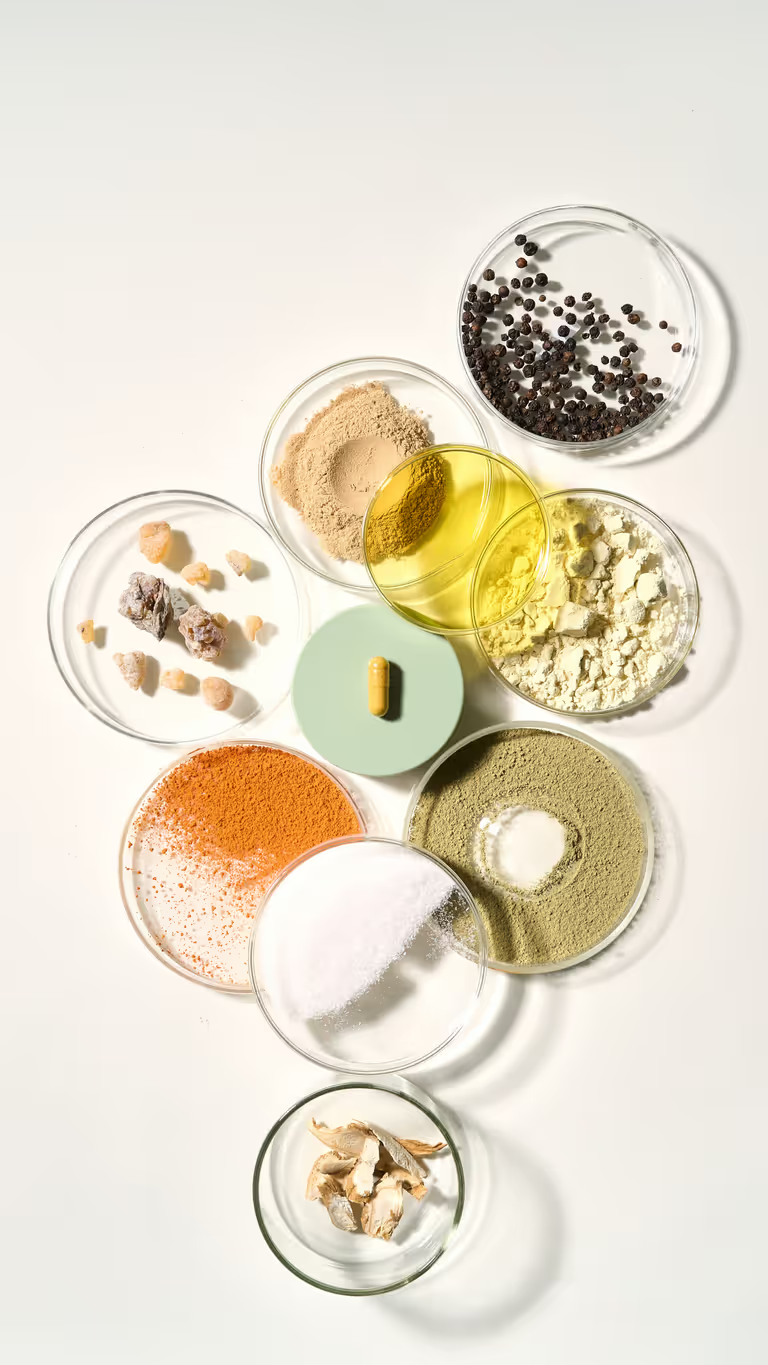
- Curcumin — to reach the doses studied in inflammation research (typically 500–1,000mg of standardized curcuminoids daily), you'd need to eat a lot of turmeric. Supplementation — especially curcumin paired with piperine — is how most people actually reach therapeutic levels.
- Boswellia serrata — isn't a food. Has to come from supplementation.
- Amino acids like L-Glutamine and L-Serine — present in food but not at the concentrations relevant for inflammatory support.
- Asian ginseng, Resveratrol at meaningful doses — same.
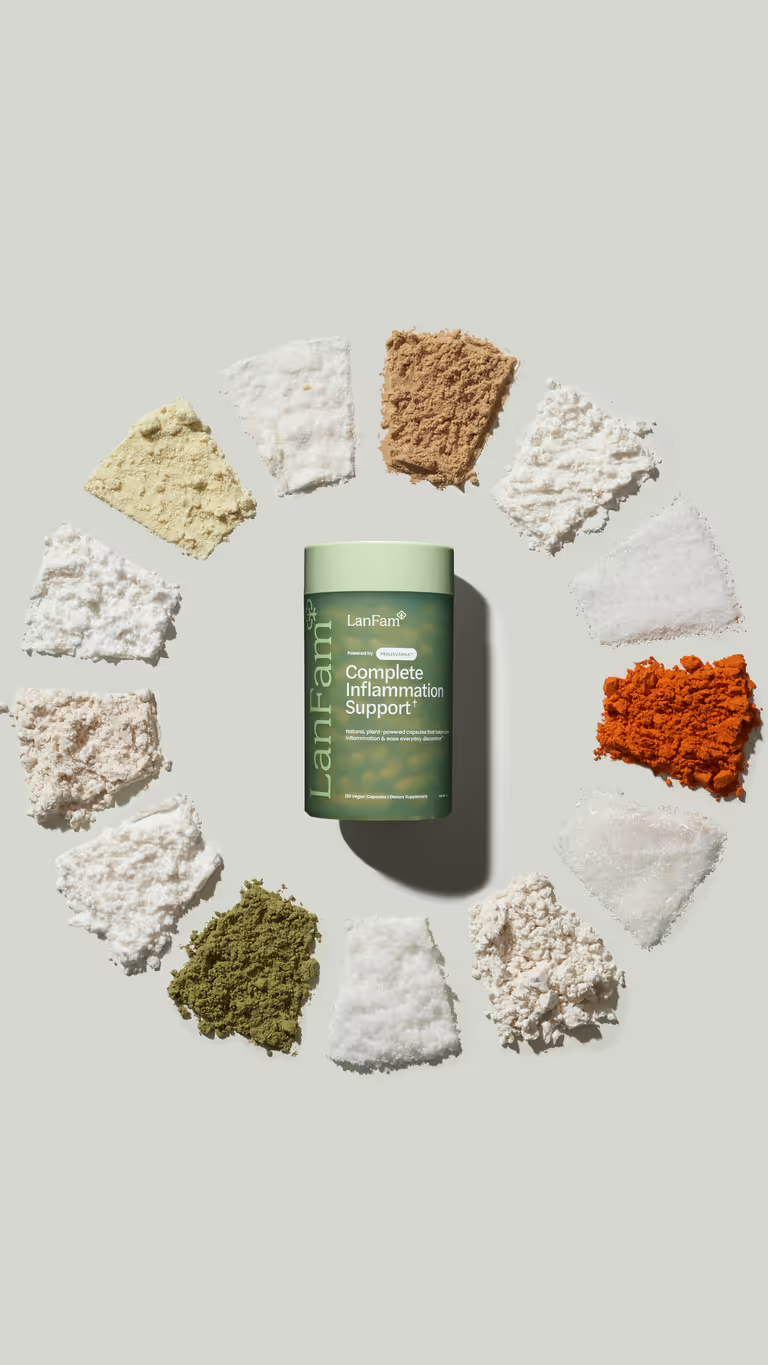
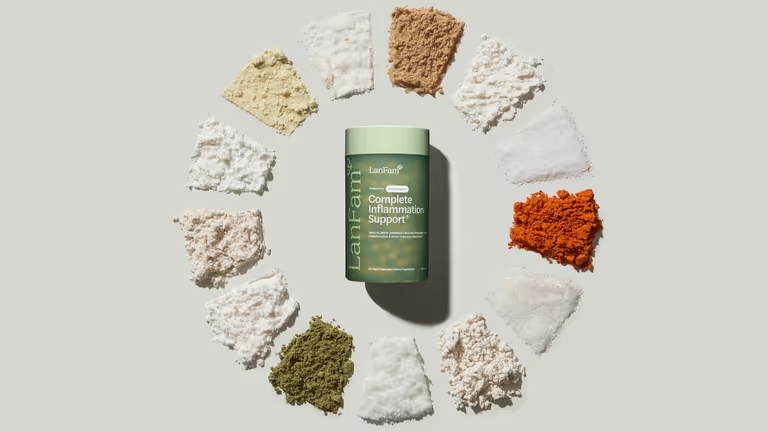
This is why Complete Inflammation Support (Powered by ProleevaMax®) was formulated as a multi-ingredient stack rather than a single-ingredient capsule. Anti-inflammatory breakfast plus multi-pathway supplementation addresses the inflammatory cascade from both directions: dietary patterns reducing the daily inflammatory load, and concentrated ingredients supporting the underlying pathways.
Neither replaces the other. They stack.
Starting Tomorrow Morning
You don't have to overhaul breakfast to move the needle on inflammation. Pick one of the seven breakfasts above. Make it three days in a row. See how you feel by day four.
If you want the dietary pattern paired with concentrated, multi-pathway supplementation, Complete Inflammation Support (Powered by ProleevaMax®) was formulated by Fabio Lanzieri — drawing on 40 years of pharmaceutical research — around 13 standardized anti-inflammatory ingredients, dosed at levels the research actually supports. It's covered by a 90-day money-back guarantee because the 90-day commitment is the commitment that actually works.
You can see the full ingredient breakdown or start the 90-day protocol today.
† These statements have not been evaluated by the Food and Drug Administration. This product is not intended to diagnose, treat, cure, or prevent any disease. Consult your healthcare provider before making significant dietary changes, particularly if you have diagnosed conditions or take medications that affect inflammation, blood sugar, or blood pressure.

Frequently asked questions
There's a seat at our table
Letters from our family to yours — the science, the recipes, the things that actually helped real families. Leave your email and we'll send the next one.