Best Supplements for Menopause Joint Pain: What the Research Actually Supports
8 supplements for menopause joint pain, ranked by real trial evidence — Boswellia, curcumin, omega-3, collagen. Doses, evidence grades, and honest gaps.
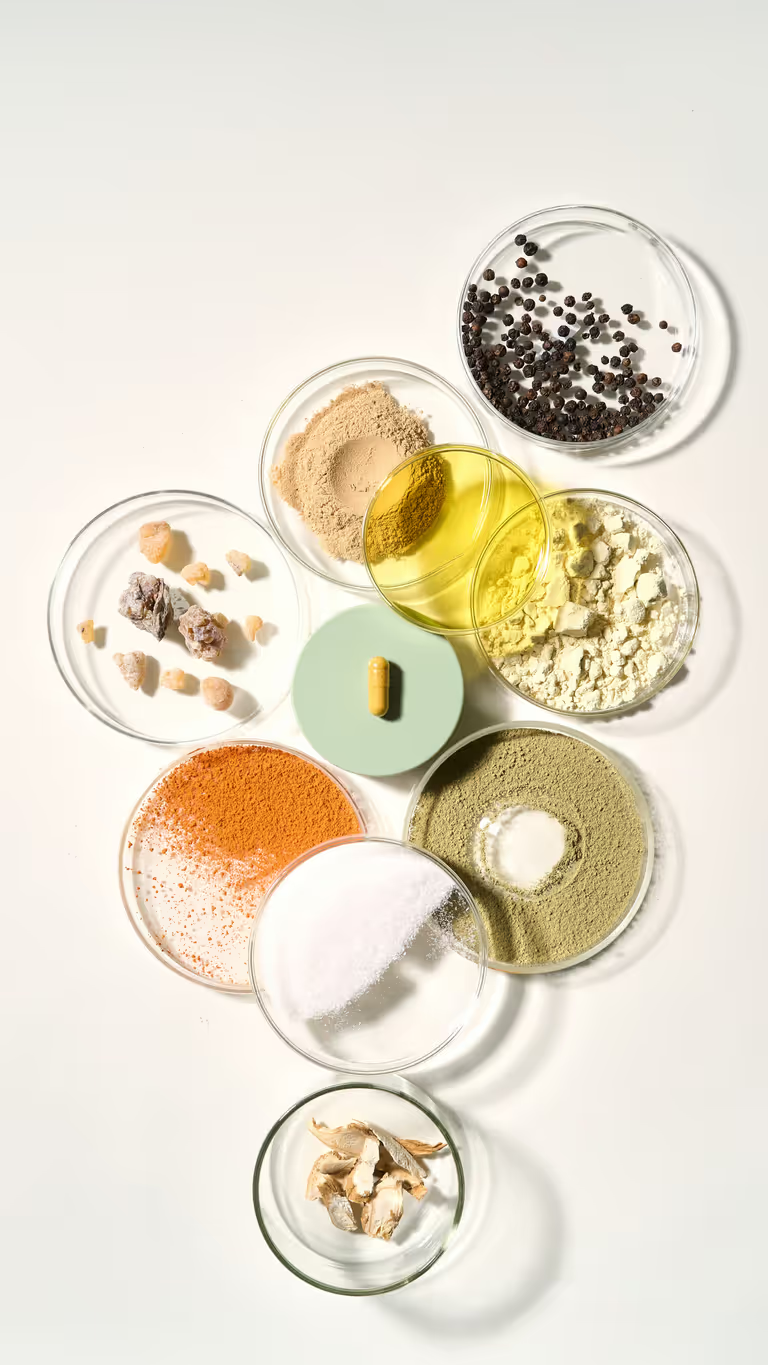
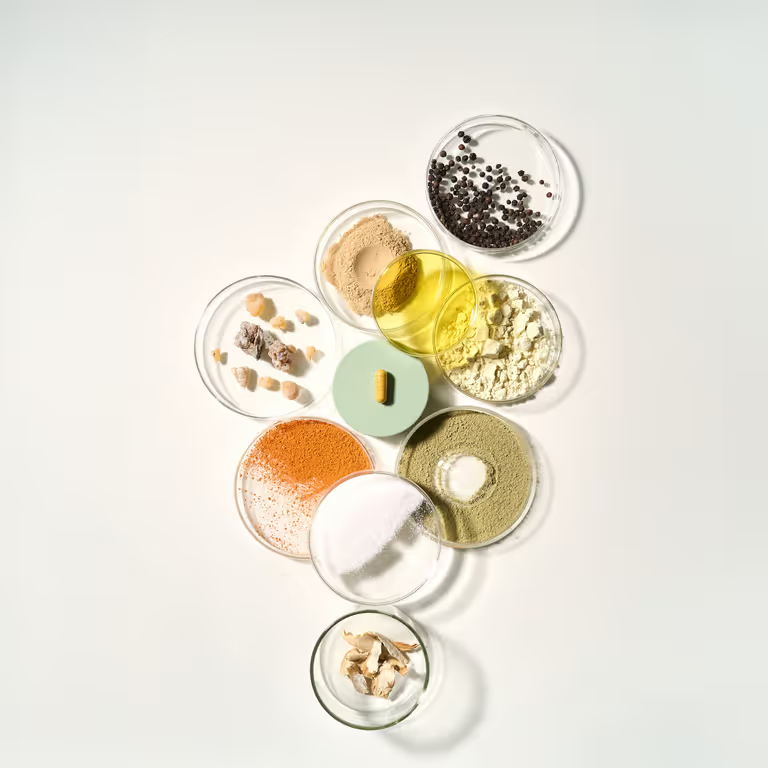
Ingredients in this letter
Why Menopause Specifically Causes Joint Pain
Most articles will tell you menopause joint pain is "probably arthritis" or "just hormones." That's a half-answer that misses the specific biology.
Estrogen regulates inflammation inside joint tissue. Estrogen receptors are present throughout cartilage, synovial membrane, and the subchondral bone beneath cartilage. When estrogen is abundant (premenopause), it actively dampens the inflammatory response inside joints — specifically by suppressing the production of cytokines like interleukin-6 (IL-6) and tumor necrosis factor alpha (TNF-α), both of which degrade cartilage over time.
When estrogen declines during perimenopause and drops further in postmenopause, that suppression lifts. IL-6 rises. TNF-α rises. Research published in the journal Maturitas has documented that postmenopausal women show measurably elevated inflammatory cytokine activity compared to premenopausal women, independent of age.
Three downstream effects follow:
- Cartilage matrix degradation accelerates. The enzymes that break down cartilage (MMP-1, MMP-13) are regulated by those same cytokines that estrogen used to suppress.
- Synovial fluid production decreases. The lubrication that lets joints glide painlessly depends on hyaluronic acid production that estrogen helps regulate.
- Pain sensitization increases. Estrogen has direct effects on pain perception pathways in the central nervous system. Its decline often makes existing low-grade inflammation feel worse than it used to.
Translation: menopause joint pain isn't a mystery. It's an identifiable inflammatory cascade with specific biological drivers — which means there are specific biological targets to support.
What to Look For in a Menopause Joint Pain Supplement
Before the list itself, here are the four criteria a supplement should meet to earn a place in a menopause joint pain protocol:
- Addresses inflammation at the pathway level — COX-2, 5-LOX, NF-κB, or the upstream cytokines themselves (not just pain masking).
- Has human clinical trials, not just in-vitro or animal research.
- Uses a bioavailable form — curcumin paired with piperine, vitamin D3 (not D2), magnesium glycinate (not oxide), Type II collagen (not generic collagen).
- Doses match the clinically studied range, not a token amount to justify a label claim.
Every supplement below meets at least three of those four criteria. Evidence grades (A/B/C) reflect the strength of the human clinical trial data as of 2026.
The 8 Best Supplements for Menopause Joint Pain
1. Boswellia Serrata (Standardized to Boswellic Acids)
Evidence grade: A | Typical clinical dose: 100–250mg standardized extract, twice daily
Boswellia serrata is a resin from the frankincense tree, used in Ayurvedic medicine for thousands of years. What brought it into modern research is a specific mechanism: it inhibits the 5-LOX enzyme, which is the enzyme that produces leukotrienes — among the most potent inflammatory signaling molecules in the body. Most NSAIDs (ibuprofen, naproxen) target the COX pathway but leave 5-LOX untouched. Boswellia is one of the few natural compounds with strong human trial evidence for 5-LOX inhibition.
A randomized controlled trial published in Phytomedicine showed Boswellia serrata extract reduced knee osteoarthritis pain and improved function over 8 weeks. Follow-up studies have shown similar effects specifically in postmenopausal women.
The "what it doesn't do" note: Boswellia doesn't rebuild cartilage. It reduces the inflammatory environment that degrades cartilage. Think of it as turning down the fire, not rebuilding the house.
2. Curcumin (Standardized) + Piperine
Evidence grade: A | Typical clinical dose: 500–1,000mg curcuminoids, with 5–10mg piperine
Curcumin is the active compound in turmeric. It's one of the most-studied natural anti-inflammatory compounds in the world, with measurable effects on COX-2 and NF-κB — two of the most important pro-inflammatory pathways in joint tissue. But here's the catch: curcumin's bioavailability from plain turmeric is poor. A landmark 1998 study in Planta Medica showed that adding piperine (from black pepper) to curcumin increases its bioavailability by up to 2,000%. Any curcumin supplement without piperine — or an equivalent bioavailability enhancer — is leaving most of the effect on the table.
A 2016 meta-analysis found curcumin supplementation significantly reduced inflammatory markers including C-reactive protein (CRP).
The "what it doesn't do" note: Curcumin supports inflammatory balance — it doesn't replace estrogen, treat osteoarthritis, or work in days. Give it 6–8 weeks. (For how it stacks up against NSAIDs, see curcumin vs. ibuprofen for inflammation.)
3. Omega-3 Fatty Acids (EPA + DHA)
Evidence grade: A | Typical clinical dose: 1,500–3,000mg combined EPA + DHA daily
Omega-3 fatty acids from fish oil — specifically the two long-chain forms EPA (eicosapentaenoic acid) and DHA (docosahexaenoic acid) — compete with omega-6 fatty acids at the enzyme level. This shifts prostaglandin production away from the pro-inflammatory types (PGE2) toward the anti-inflammatory types (PGE3). The net effect is a measurable reduction in joint inflammation.
A 2006 meta-analysis in the journal Pain found that omega-3 supplementation reduced joint pain, morning stiffness, and NSAID use in patients with inflammatory arthritis. The menopause-specific research is thinner but biologically consistent — the inflammatory cytokines estrogen withdrawal unmasks are the same ones omega-3s dampen.
The "what it doesn't do" note: Plant-based omega-3 (ALA from flax, chia, walnuts) is not the same as EPA/DHA. Your body converts ALA to EPA at about 5% efficiency. For joint pain, fish oil or algal oil is what the research is actually about.
4. Type II Collagen Peptides
Evidence grade: B | Typical clinical dose: 40mg undenatured Type II, OR 10g hydrolyzed collagen daily
This one requires nuance. There are two distinct collagen protocols with different evidence bases:
- Undenatured Type II collagen (UC-II) — a specific, low-dose form (40mg) that appears to work via immune tolerance mechanism. A 2016 RCT in Nutrition Journal showed UC-II reduced joint pain and improved function over 180 days.
- Hydrolyzed collagen peptides — a higher-dose form (10g+ daily) that provides amino acid substrate for cartilage repair. Evidence is moderate but favorable; a 2018 systematic review found collagen hydrolysate improved joint pain scores, though effect sizes varied.
Both have evidence. Neither is a magic bullet. The collagen industry has aggressively oversold the category, but underneath the marketing, there is real science.
The "what it doesn't do" note: Collagen doesn't address the inflammatory cytokine problem driving menopause joint pain. It provides structural support and, in the UC-II case, immune modulation. It works best alongside anti-inflammatory support, not instead of it.
5. Vitamin D3
Evidence grade: B (strong for deficiency correction) | Typical clinical dose: 1,000–4,000 IU daily (adjust based on blood levels)
Vitamin D isn't a joint supplement per se — it's a hormone precursor that regulates hundreds of processes, several of which are relevant to joint health. Vitamin D deficiency is extraordinarily common in postmenopausal women (some studies put it above 50%), and low vitamin D is strongly associated with increased musculoskeletal pain, regardless of the cause.
A 2020 review in the Journal of Steroid Biochemistry documented the relationship between vitamin D status and inflammatory markers in postmenopausal women. Correcting deficiency doesn't always resolve joint pain on its own, but leaving deficiency uncorrected tends to undermine everything else you try.
The practical take: Get your 25(OH)D tested. Aim for 40–60 ng/mL. Supplement to get there, not beyond.
The "what it doesn't do" note: Taking vitamin D won't help if your level is already optimal. It's a correction, not a treatment.
6. Magnesium (Glycinate or Malate)
Evidence grade: B (for pain and stiffness) | Typical clinical dose: 200–400mg elemental magnesium daily
Magnesium is involved in over 300 enzymatic reactions in the body, including muscle relaxation and nervous system regulation. In menopause specifically, low magnesium status has been associated with increased muscle tension, nighttime leg cramps, poor sleep — all of which indirectly worsen the experience of joint pain.
Form matters: magnesium oxide is poorly absorbed (and causes GI distress). Magnesium glycinate (for general use and sleep) and magnesium malate (for muscle/joint symptoms) are both well-absorbed and better tolerated.
The "what it doesn't do" note: Magnesium isn't a direct anti-inflammatory. It supports the nervous system and muscle relaxation that often amplify the experience of joint pain during menopause.
7. Glucosamine + Chondroitin (The Honest Take)
Evidence grade: C (mixed) | Typical clinical dose: 1,500mg glucosamine sulfate + 1,200mg chondroitin sulfate daily
This is the supplement category most joint-pain articles uncritically recommend. The honest answer is that the evidence is genuinely mixed. The GAIT trial — the largest NIH-funded trial on glucosamine/chondroitin — found the combination was not significantly better than placebo for most participants, though it showed modest benefit in the subset with moderate-to-severe pain. A 2023 meta-analysis came to a similar conclusion: glucosamine/chondroitin may help some people, doesn't help others, and the effect — when present — is modest.
Should you try it? If other options haven't worked and you can afford to give it 3 months, it's a low-risk experiment. But don't make it the centerpiece of a protocol, and don't expect dramatic results.
The "what it doesn't do" note: Glucosamine and chondroitin don't address the inflammatory cytokine cascade driving menopause joint pain. They target cartilage metabolism — which is a piece of the problem, not the whole thing.
8. Multi-Ingredient Anti-Inflammatory Formulas
Evidence grade: Variable (depends on formula) | Typical approach: full-spectrum formulas combining botanicals + amino acids + cofactors
Menopause joint pain is driven by multiple mechanisms simultaneously — inflammation (cytokines), cartilage support (collagen substrate and cofactors), nervous system sensitization (magnesium, B6), and vascular health (circulation-supporting amino acids). Single-ingredient supplements address one mechanism. Multi-ingredient formulas address several at once.
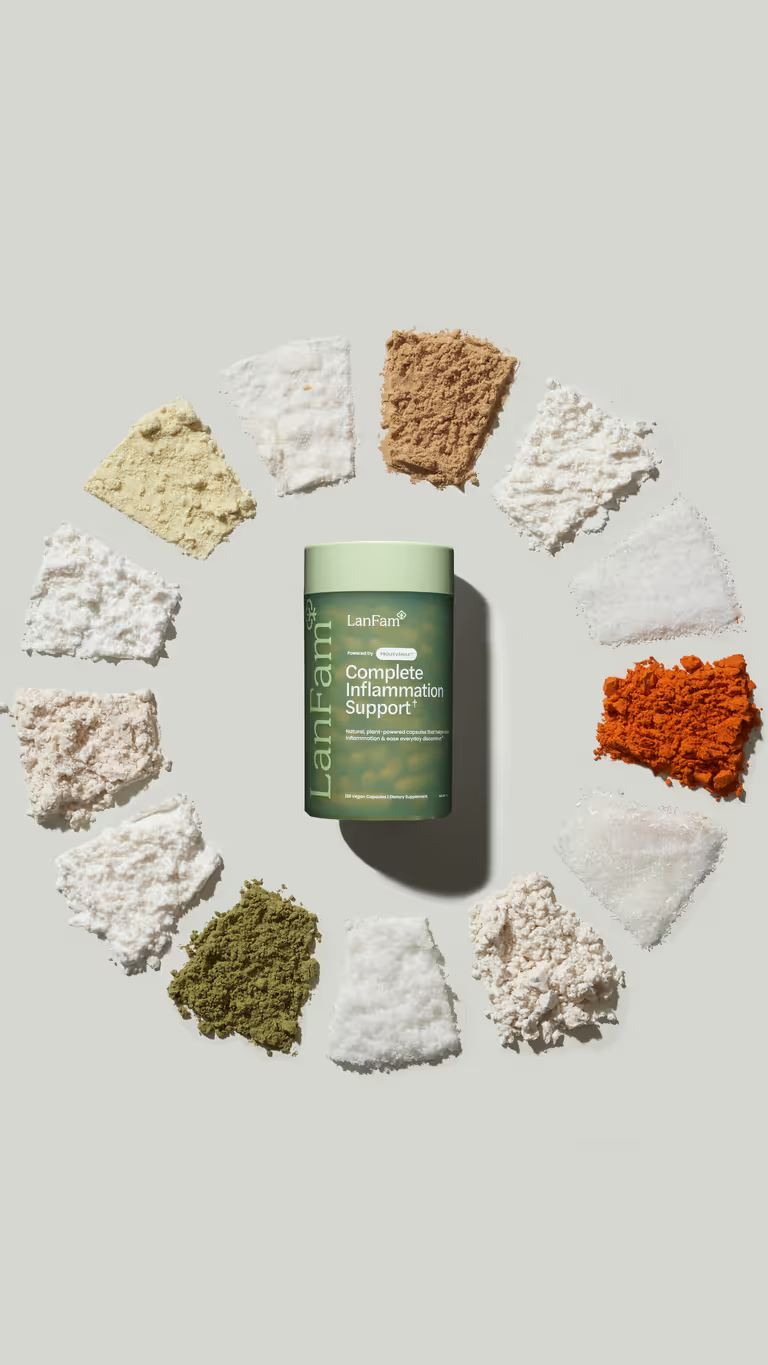
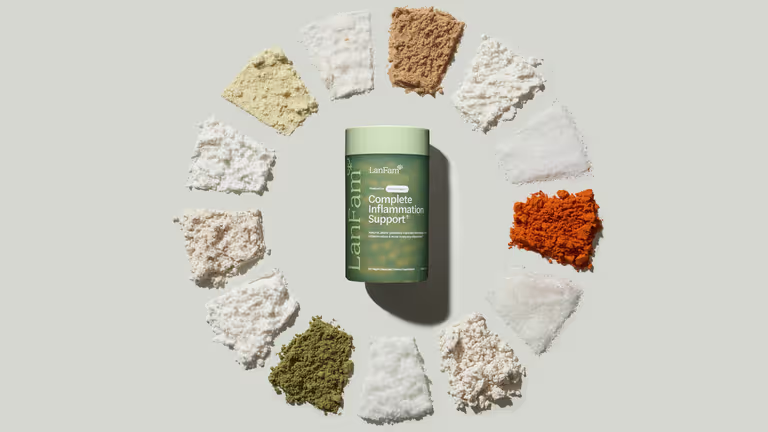
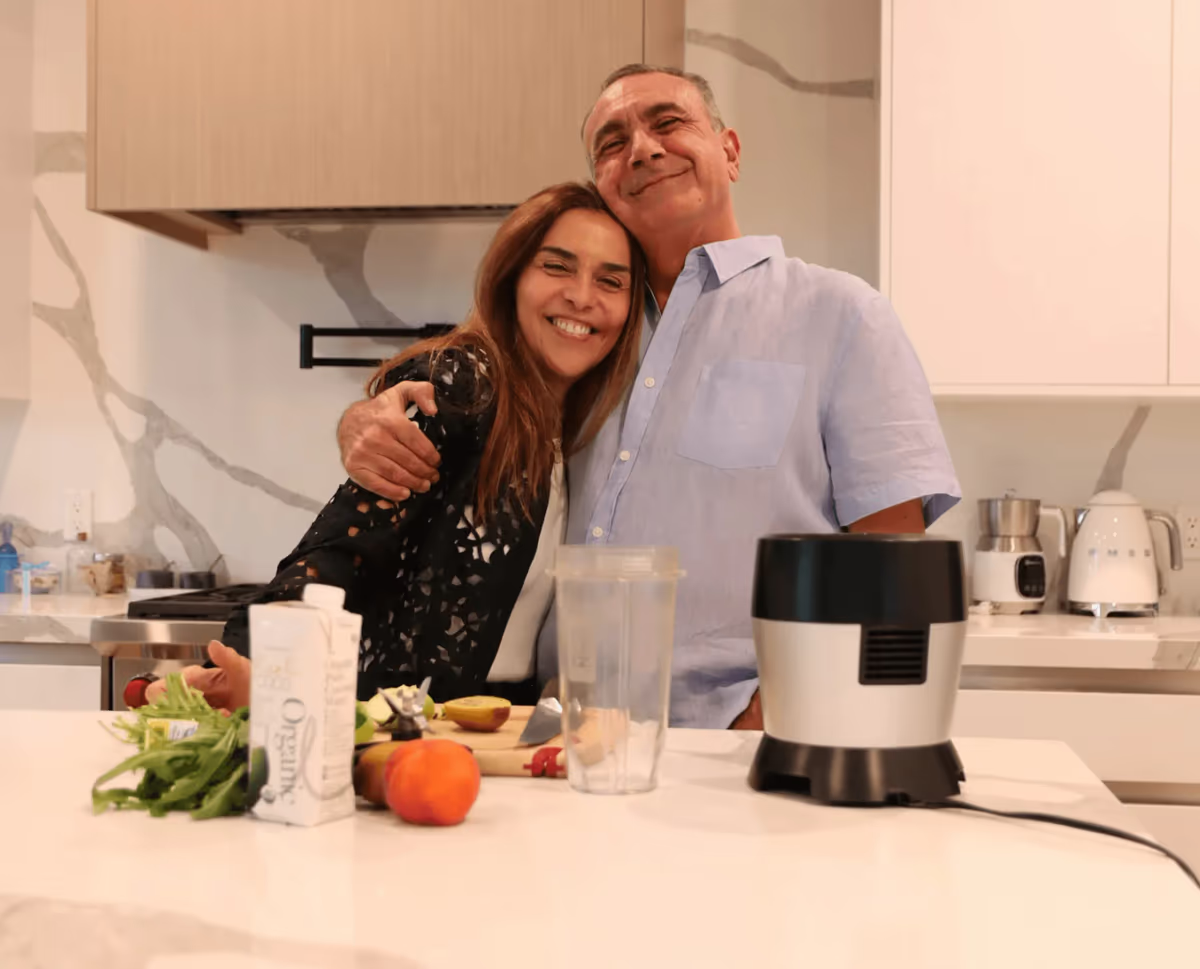
This is the rationale behind Complete Inflammation Support (Powered by ProleevaMax®): 13 standardized ingredients — including Boswellia serrata, curcumin with piperine, amino acids, and cofactors — formulated at clinically studied doses to support multiple inflammatory pathways in parallel. It was developed by Fabio Lanzieri, drawing on 40 years of pharmaceutical experience, specifically because the single-ingredient approach wasn't enough for the women — including his wife Maria, a breast cancer survivor — who needed real support.
The "what to demand from any multi-ingredient formula": standardized active ingredients (e.g., Boswellia standardized to boswellic acid content, not just raw plant powder), evidence-backed pairings (curcumin with piperine, 5-HTP with B6), third-party testing, and a realistic commitment timeline. A proprietary blend can still be trustworthy when the individual ingredients are standardized and the total weight is meaningful — what you want to avoid is "proprietary blend" covering for trace amounts of marketing ingredients.
Why Multi-Pathway Formulas Tend to Work Better for Menopause Joint Pain
Look back at the 8 supplements above. Each one addresses a different piece:
- Boswellia → 5-LOX pathway
- Curcumin → COX-2 and NF-κB pathways
- Omega-3 → prostaglandin balance
- Collagen → cartilage substrate
- Vitamin D → immune regulation and pain sensitization
- Magnesium → nervous system and muscle support
- Glucosamine/chondroitin → cartilage metabolism (for some)
- Multi-ingredient formulas → several pathways at once
For most women, a single ingredient handles 15–25% of the problem. Inflammation continues. Cartilage continues to erode. Nervous-system sensitization continues. You take the supplement for two months, notice modest benefit, and wonder why the internet promised more.
The combination approach works because menopause joint pain is not a single-mechanism problem. Research published in Maturitas and repeatedly echoed in rheumatology journals supports the multi-factor biological model.
This is why the two most effective protocols tend to be:
Option A — The targeted stack: A well-chosen anti-inflammatory (Boswellia OR curcumin with piperine), omega-3, vitamin D (if deficient), and either Type II collagen or magnesium depending on your specific symptom pattern.
Option B — The multi-ingredient formula: A formula that combines multiple anti-inflammatory botanicals with supportive amino acids and cofactors, so you're covering more ground with one bottle.
Both can work. The multi-ingredient approach is typically easier to stick with for 90 days — and 90 days is what this level of change takes.
Timeline: What to Expect and When
Supplements don't work instantly. The inflammatory cascade that causes menopause joint pain took months or years to establish, and the biological systems you're supporting take weeks to respond. Here's a realistic timeline based on clinical trial data:
- Weeks 1–2. Absorption and initial biological adjustment. Most women feel no difference yet. Don't quit here.
- Weeks 3–4. Subtle shifts: improved sleep, less morning stiffness, maybe slightly better mobility in the first steps after getting out of a chair. Inflammatory markers are beginning to respond.
- Weeks 6–8. The "is this working?" question typically gets answered. Most clinical trials on Boswellia, curcumin, and omega-3 for joint pain show statistically significant improvements at the 6–8 week mark.
- Day 90. Full protocol benefit typically established. This is also the point where you can honestly evaluate whether the protocol works for you, which is why LanFam's 90-day money-back guarantee is tied to the full protocol timeframe, not an arbitrary 30 days.
What These Supplements Can't Do
Honest expectation-setting matters. Here's what no supplement on this list — or any combination of them — can do:
- Replace estrogen. If the joint pain is driven primarily by severe estrogen withdrawal and the rest of the menopause symptom profile is intense, HRT may be the appropriate conversation with a doctor. Supplements support; they don't replace hormones.
- Treat diagnosed osteoarthritis as a disease. They support inflammatory balance, which may reduce symptoms — but they don't regenerate lost cartilage in significant ways.
- Work without dietary and lifestyle context. An anti-inflammatory diet (see our anti-inflammatory breakfast guide), regular low-impact movement, adequate sleep, and stress management all amplify — or undermine — what supplements can do.
- Work overnight. If a supplement promises fast relief, it's either working through a mechanism other than inflammation (masking pain, stimulating the nervous system) or overselling its effects.
Starting a 90-Day Menopause Joint Pain Protocol
You don't have to take eight supplements. You do have to address multiple mechanisms. Pick either:
- The stack approach: Boswellia or curcumin+piperine + omega-3 + vitamin D (if deficient) + magnesium glycinate. Four bottles, one protocol, 90 days.
- The single-formula approach: A clinically-dosed multi-ingredient anti-inflammatory formula that covers several mechanisms at once — simpler to stick with.
Complete Inflammation Support (Powered by ProleevaMax®) was designed as the single-formula option for women dealing with inflammatory symptoms like menopause joint pain: 13 standardized ingredients, Boswellia and curcumin-with-piperine included, dosed at levels the research supports, covered by a 90-day money-back guarantee because the protocol takes the full 90 days to fully establish.
You can see the full ingredient breakdown or start the 90-day protocol today.
† These statements have not been evaluated by the Food and Drug Administration. This product is not intended to diagnose, treat, cure, or prevent any disease. Consult your healthcare provider before starting any supplement protocol, particularly if you take prescription medications, have diagnosed conditions, or are considering HRT.
Related Reading
If you want to go deeper on the research behind this guide, these are the supporting articles in the LanFam library:
Best Supplements for Menopause Brain Fog
Supplements for Menopause Bloating: The Inflammation Link Most Articles Miss
The Joint Stiffness Playbook: A Complete Natural Management Strategy
Anti-Inflammatory Supplements for Joint Pain: What the Evidence Actually Says

References
- 2.Strand NH, et al. Pain during menopause. Maturitas. 2025. https://doi.org/10.1016/j.maturitas.2024.108135
- 3.Kimmatkar N, et al. Efficacy and tolerability of Boswellia serrata extract in treatment of osteoarthritis of knee. Phytomedicine. 2003. https://doi.org/10.1078/094471103321648593
- 4.Shoba G, et al. Influence of piperine on the pharmacokinetics of curcumin in animals and human volunteers. Planta Medica. 1998. https://doi.org/10.1055/s-2006-957450
- 5.Daily JW, et al. Efficacy of turmeric extracts and curcumin for alleviating the symptoms of joint arthritis. Journal of Medicinal Food. 2016. https://doi.org/10.1089/jmf.2016.3705
- 6.Goldberg RJ, Katz J. A meta-analysis of the analgesic effects of omega-3 polyunsaturated fatty acid supplementation for inflammatory joint pain. Pain. 2007. https://doi.org/10.1016/j.pain.2007.01.020
- 7.García-Coronado JM, et al. Effect of collagen supplementation on osteoarthritis symptoms: a meta-analysis of randomized placebo-controlled trials. International Orthopaedics. 2019. https://doi.org/10.1007/s00264-018-4211-5
- 8.Clegg DO, et al. Glucosamine, chondroitin sulfate, and the two in combination for painful knee osteoarthritis (GAIT). New England Journal of Medicine. 2006. https://doi.org/10.1056/NEJMoa052771
Frequently asked questions
There's a seat at our table
Letters from our family to yours — the science, the recipes, the things that actually helped real families. Leave your email and we'll send the next one.