Anti-Inflammatory Diet Plan: How to Build One That Lasts
Build an anti-inflammatory diet plan that lasts. Learn the food groups, smart swaps, and a simple week structure you can actually keep.
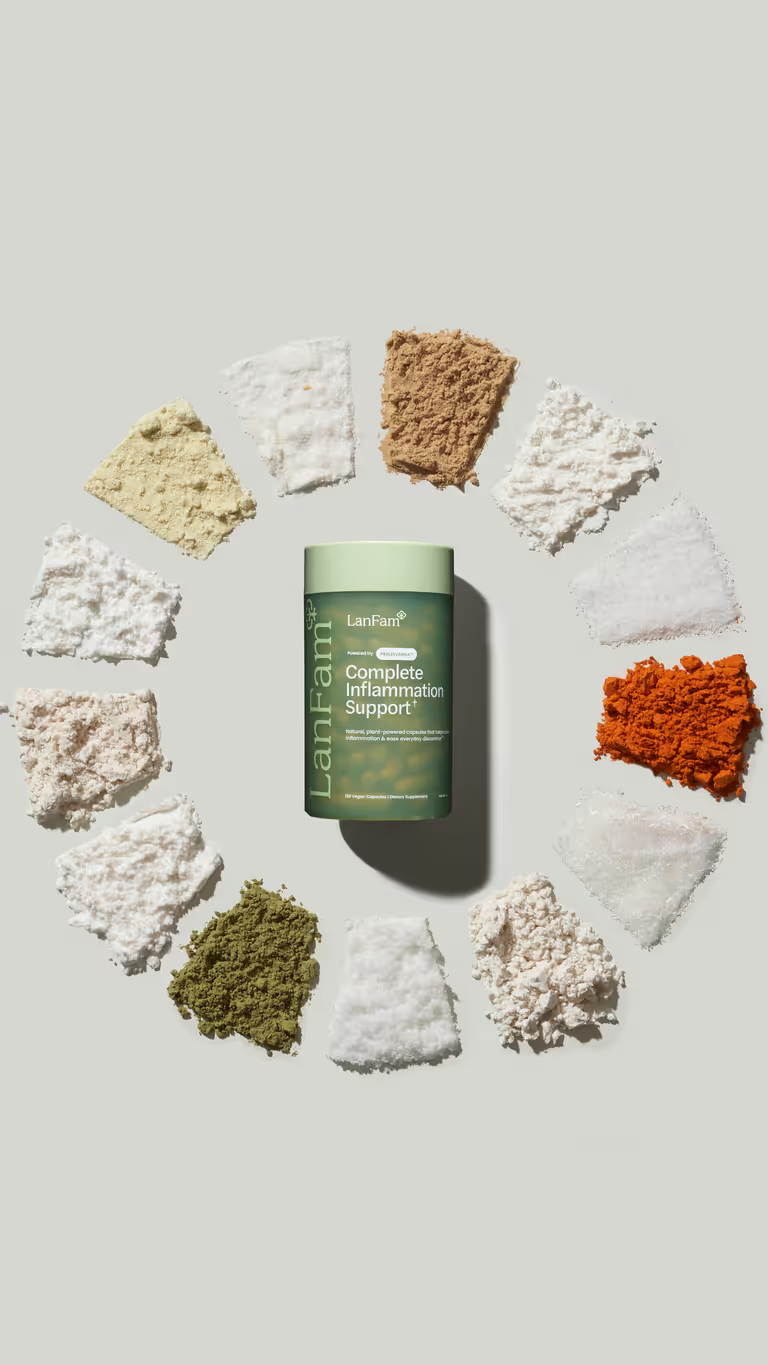
Ingredients in this letter

A lasting anti-inflammatory diet plan is built on principles, not a rigid menu. You fill most of your plate with colorful plants, whole grains, legumes, fatty fish, and good fats like olive oil, and you cut back on added sugar, refined carbs, and ultra-processed food. The research is consistent: eating patterns rich in these foods are linked to lower markers of chronic inflammation. The version that works is the one you can repeat for months, not the one you abandon by week two.
Why "Anti-Inflammatory" Eating Works
Inflammation is your body's repair crew. After an injury or infection, it shows up, does the work, and leaves. That is acute inflammation, and you want it.
The problem is low-grade inflammation that never fully switches off. Diet is one of the levers that influences it. Researchers built a scoring system, the Dietary Inflammatory Index, to rank how pro- or anti-inflammatory an eating pattern is. A systematic review and meta-analysis [1] found that people eating the most pro-inflammatory diets had higher odds of elevated C-reactive protein, a common marker of inflammation in the blood.
The opposite holds too. The most-studied anti-inflammatory eating pattern is the Mediterranean style of eating. According to Harvard Health [2], this plant-rich pattern is linked with lower inflammation and healthier aging. You do not need to eat "Mediterranean" food specifically. You need the underlying principles.
The Five Food Groups That Do the Heavy Lifting
Forget counting and weighing for a moment. An anti-inflammatory diet plan that lasts starts with knowing which groups belong on your plate and roughly how often.
1. Colorful plants (the foundation)
Vegetables and fruit are the base of the plan. The colors are the point. Reds, purples, deep greens, and bright oranges signal polyphenols and flavonoids, plant compounds that a review of flavonoids as anti-inflammatory molecules [3] describes as acting on inflammatory signaling, including the NF-kB pathway that helps regulate the body's inflammatory response.
Aim for variety across the week: leafy greens, berries, cruciferous vegetables like broccoli, and deeply colored produce like beets and bell peppers.
2. Whole grains and legumes (fiber that feeds your gut)
Fiber is where a lot of the quiet work happens. When gut bacteria ferment fiber, they produce short-chain fatty acids. A review on dietary fiber and short-chain fatty acids [4] documents that one of these, butyrate, helps strengthen the gut barrier and may temper pro-inflammatory signaling.
Think oats, brown rice, quinoa, lentils, chickpeas, and black beans. These also keep you full, which makes the plan easier to stick with.
3. Fatty fish and omega-3 sources
Fatty fish like salmon, sardines, and mackerel supply EPA and DHA. These omega-3 fats are precursors to what researchers call specialized pro-resolving mediators, the molecules that help bring an inflammatory response to a close. A review of pro-resolving mediators from EPA and DHA [5] describes how these act as "stop signals" that help inflammation resolve rather than linger.
Two to three servings of fatty fish a week is a reasonable target. Plant sources of omega-3, like walnuts and flax, count too.
4. Good fats, led by extra-virgin olive oil
Extra-virgin olive oil is more than a cooking fat. It carries phenolic compounds like oleocanthal. A systematic review on oleocanthal in extra-virgin olive oil [6] documents its effect on inflammatory pathways, including NF-kB and MAPK signaling. Use it as your default fat for dressings and finishing.
Nuts, seeds, and avocado round out this group.
5. Herbs and spices
Spices are concentrated plant compounds. A review on functional foods [7] groups herbs and spices alongside fruits and vegetables for their combined antioxidant and anti-inflammatory roles. Turmeric, garlic, cinnamon, rosemary, and ginger all earn a place. Ginger here is a kitchen spice, a flavorful way to add plant compounds to a meal.
What to Pull Back On
You do not have to ban anything. You shift the ratio. The foods below are the ones research most consistently links to higher inflammatory markers.
| Pull back on | Why | Reach for instead |
|---|---|---|
| Sugar-sweetened drinks | Linked to higher inflammatory markers and impaired glucose handling | Water, sparkling water, unsweetened tea |
| Refined carbs (white bread, pastries) | Part of the pattern tied to chronic inflammation | Whole grains, oats, quinoa |
| Ultra-processed snacks | Associated with elevated C-reactive protein | Nuts, fruit, plain yogurt |
| Fried fast food | High in pro-inflammatory fats | Roasted or grilled whole foods |
The sugar piece is well documented. A study drawing on NHANES data on sugar-sweetened beverages and inflammation [8] connected higher intake with abdominal obesity and inflammatory markers. On the ultra-processed side, the ELSA-Brasil study [9] found that people eating the most ultra-processed food had higher C-reactive protein levels. You do not need to be perfect. You need to move the ratio in the right direction, most days.
Smart Swaps That Make It Automatic
The plan that lasts is the one that becomes a habit. Swaps work better than rules because they replace, rather than remove.
- Breakfast pastry to oats with berries and walnuts
- Soda to sparkling water with citrus
- White rice to quinoa or brown rice
- Vegetable oil to extra-virgin olive oil for dressings
- Chips to a handful of nuts or roasted chickpeas
- Red meat a few nights a week to salmon, lentils, or beans
- Sugary yogurt to plain yogurt with fruit you add yourself
Pick two or three to start. Stacking too many changes at once is the fastest way to quit. Our anti-inflammatory grocery list turns these swaps into a shopping routine.
How to Structure Your Week (Without a Fixed Menu)
A rigid seven-day menu looks tidy and falls apart the first time life gets busy. A repeatable structure survives.
Build a plate template
Use one simple template for most meals:
- Half the plate: vegetables and fruit
- A quarter: whole grains or legumes
- A quarter: protein, with fatty fish two or three times a week
- A finish: extra-virgin olive oil, nuts, seeds, herbs, or spices
This is the engine of the whole plan. Once the template is automatic, the specific recipe stops mattering.
Set anchor meals
Pick three or four meals you genuinely enjoy and can make on autopilot. A grain bowl, a sheet-pan salmon, a lentil soup, an oats breakfast. These are your anchors. On a hard day, you cook an anchor. You do not improvise.
Plan a flexible week
| Slot | Approach |
|---|---|
| Breakfast | One or two repeatable anchors (oats, yogurt bowl) |
| Lunch | Plate template using leftovers or a grain bowl |
| Dinner | Fatty fish 2-3x, legumes 2-3x, the rest flexible |
| Snacks | Default to nuts, fruit, or plain yogurt |
Rotate the produce and grains by what is in season and on sale. The structure stays fixed; the ingredients flex. For meal ideas that fit this template, see our anti-inflammatory recipes.
Make it last
- Cook once, eat twice. Build leftovers into lunch.
- Keep frozen vegetables and canned beans on hand for low-effort nights.
- Allow imperfect days. The pattern over a month is what counts, not any single meal.
- Stock your kitchen so the easy choice is the anti-inflammatory choice. Our list of the worst foods for inflammation shows what to keep out of arm's reach.
Eating Anti-Inflammatory on a Budget
The idea that eating this way costs more is the biggest myth standing between people and the plan. The foundation foods are some of the cheapest in the store. You shop smart, not expensive.
Start with the freezer. Frozen vegetables and berries are picked and frozen at peak ripeness, so they hold their plant compounds, and they cost less than fresh. Keep a few bags on hand and you always have the base of a meal ready.
Lean on canned protein. Canned sardines, salmon, and mackerel deliver the same omega-3 fats as the fresh fillet at a fraction of the price. Canned beans, lentils, and chickpeas are protein and fiber for pennies a serving. Rinse them and they are ready.
Buy the staples in bulk. Oats, brown rice, dried lentils, and dried beans store for months and cost little per meal. The same goes for spices: a large bag of turmeric, cinnamon, or garlic powder beats small jars on price and lasts a long time.
Then let the season set your menu. Produce that is in season is cheaper and at its best. Swap the recipe to match what is on sale that week. The plate template stays fixed; the ingredients flex to your budget.
What This Diet Plan Won't Do
Honesty matters here, so let's be clear.
An anti-inflammatory diet plan is not a cure for any condition. It is an eating pattern associated with lower inflammatory markers in research, and it supports a healthy inflammatory response over time. It does not work overnight. The benefits come from months of consistency, not a single "clean" week.
Diet also is not the only factor. Sleep, movement, stress, and other lifestyle inputs all influence inflammation. No food or plan replaces medical care. If you manage a diagnosed condition or take medication, talk with your healthcare provider before making changes.
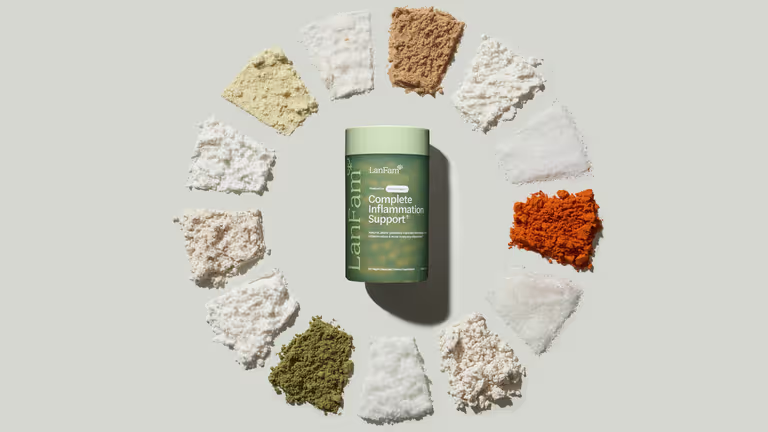
A diet alone may also leave gaps. Many of the most-discussed anti-inflammatory nutrients, including omega-3, vitamin D, magnesium, and quercetin, are foods or single-nutrient supplements. Complete Inflammation Support (Powered by ProleevaMax®) does not contain those. It is built differently, as a multi-pathway formula designed to work alongside a strong diet, which is where the next section comes in.
Where ProleevaMax Fits Alongside Your Diet
Food is the foundation. Always. But even a well-built plate can be supported, and that is the role ProleevaMax is designed to play. It is not a multivitamin, an omega-3 capsule, or a single-herb pill. It is a multi-ingredient formula built for multi-pathway support.
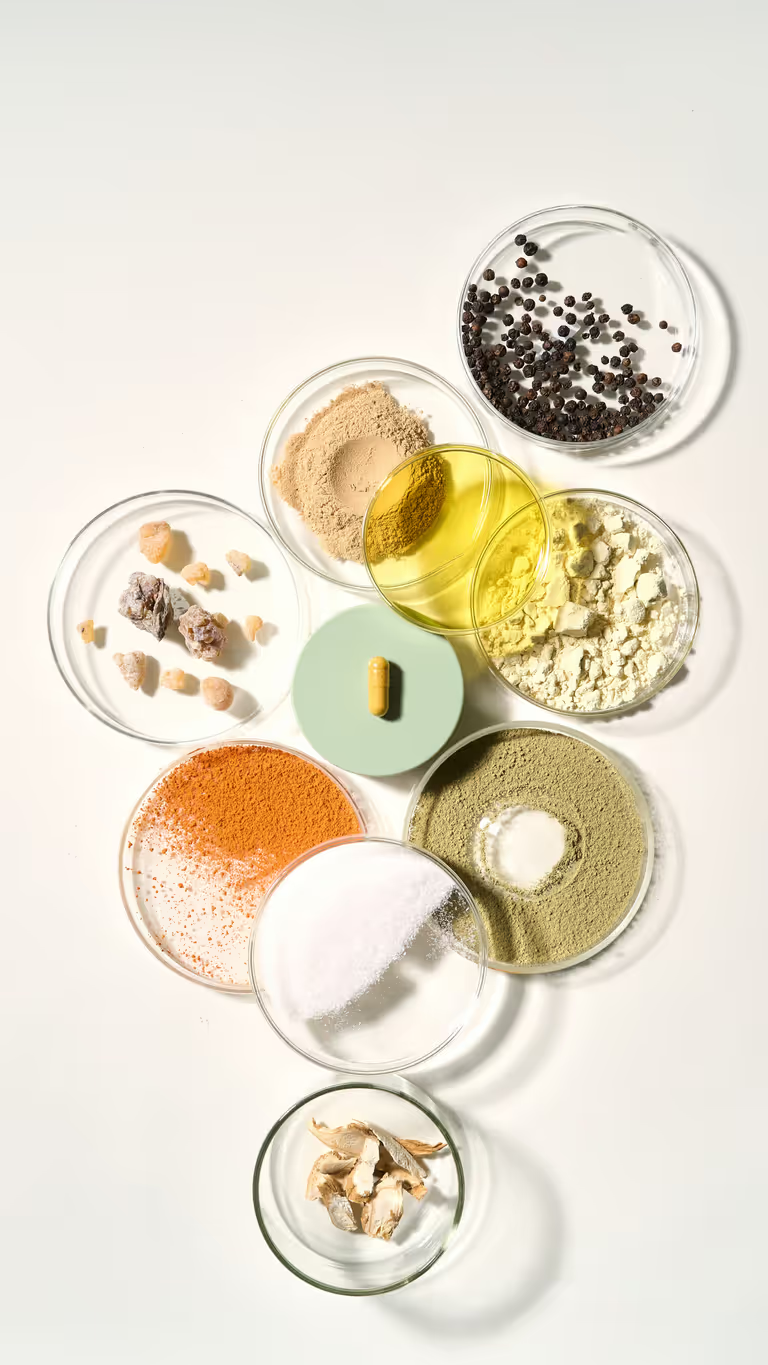
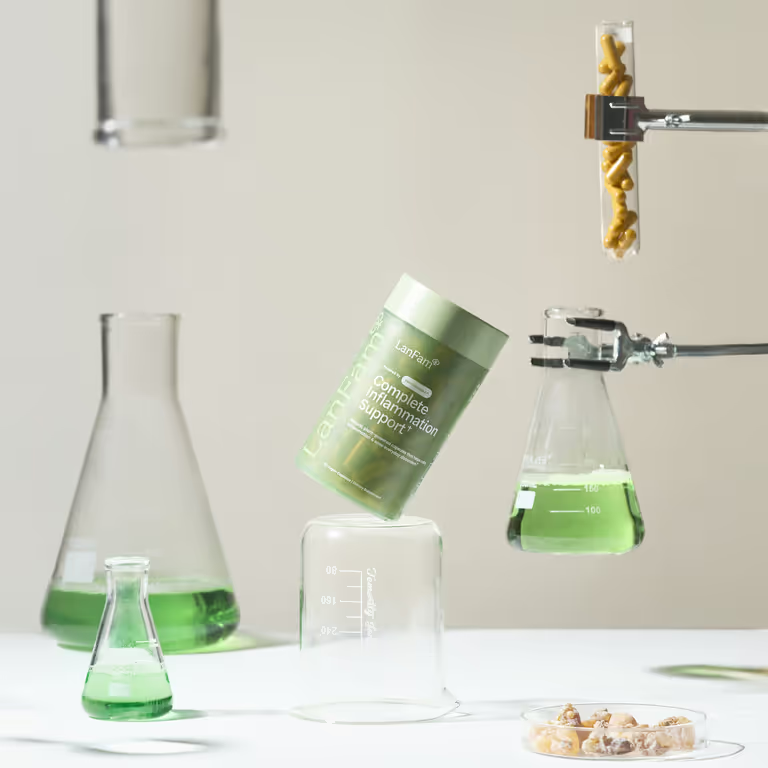
The formula pairs standardized botanicals with amino acids. Boswellia (Indian Frankincense), standardized to 65% boswellic acids, is one of the most-studied botanicals for inflammatory balance; a meta-analysis on Boswellia serrata [10] documents its role in supporting joint comfort and function. It is joined by whole-root turmeric, Matcha for its EGCG and L-theanine, and a distinctive pairing of L-Glutamine and L-Serine, alongside ingredients like Asian Ginseng, Resveratrol, and Vitamin B6. The design supports both inflammatory balance and nervous-system resilience, which is why it is taken on the 90-Day Protocol rather than as a quick fix.
That protocol mirrors how diet works. Both are about consistency over time:
- Week 2: initial response begins
- Week 4: noticeable changes in comfort and mobility
- Week 8: significant improvement in daily function
- Day 90: full protocol completion, the "pause test"
Learn how the formula is built on how it works, see every ingredient on the ingredients page, and review the research on the science page. When you are ready, start with ProleevaMax. It is backed by a 90-day money-back guarantee, matched to the full protocol, so you have the time to judge it the way the research suggests: over months, not days.
These statements have not been evaluated by the Food and Drug Administration. This product is not intended to diagnose, treat, cure, or prevent any disease.

References
- 2.Mohammadi S, Hosseinikia M, Ghaffarian-Bahraman A, Clark CCT, Davies IG, Yousefi Rad E, Saboori S. Dietary inflammatory index and elevated serum C-reactive protein: a systematic review and meta-analysis. Food Science & Nutrition. 2023. https://doi.org/10.1002/fsn3.3553
- 3.Godman H. Mediterranean diet linked to lower inflammation, healthy aging. Harvard Health Publishing;. 2020. https://www.health.harvard.edu/healthy-aging-and-longevity/mediterranean-diet-linked-to-lower-inflammation-healthy-aging
- 4.Al-Khayri JM, Sahana GR, Nagella P, Joseph BV, Alessa FM, Al-Mssallem MQ. Flavonoids as potential anti-inflammatory molecules: a review. Molecules. 2022. https://doi.org/10.3390/molecules27092901
- 5.Akhtar M, Chen Y, Ma Z, Zhang X, Shi D, Khan JA, Liu H. Gut microbiota-derived short chain fatty acids are potential mediators in gut inflammation. Animal Nutrition. 2021. https://doi.org/10.1016/j.aninu.2021.11.005
- 6.López-Vicario C, Rius B, Alcaraz-Quiles J, García-Alonso V, Lopategi A, Titos E, Clària J. Pro-resolving mediators produced from EPA and DHA: overview of the pathways involved and their mechanisms in metabolic syndrome and related liver diseases. European Journal of Pharmacology. 2016. https://doi.org/10.1016/j.ejphar.2015.03.092
- 7.González-Rodríguez M, Ait Edjoudi D, Cordero-Barreal A, Farrag M, Varela-García M, Torrijos-Pulpón C, Ruiz-Fernández C, Capuozzo M, Ottaiano A, Lago F, Pino J, Farrag Y, Gualillo O. Oleocanthal, an antioxidant phenolic compound in extra virgin olive oil (EVOO): a comprehensive systematic review of its potential in inflammation and cancer. Antioxidants. 2023. https://doi.org/10.3390/antiox12122112
- 8.Serafini M, Peluso I. Functional foods for health: the interrelated antioxidant and anti-inflammatory role of fruits, vegetables, herbs, spices and cocoa in humans. Current Pharmaceutical Design. 2016. https://doi.org/10.2174/1381612823666161123094235
- 9.Lin WT, Kao YH, Li MS, Luo T, Lin HY, Lee CH, Seal DW, Hu Cy, Chen LS, Tseng TS. Sugar-sweetened beverages intake, abdominal obesity, and inflammation among US adults without and with prediabetes—an NHANES study. International Journal of Environmental Research and Public Health. 2022. https://doi.org/10.3390/ijerph20010681
- 10.da Silva Cruz Lopes AE, Araújo LF, Levy RB, Barreto SM, Giatti L. Association between consumption of ultra-processed foods and serum C-reactive protein levels: cross-sectional results from the ELSA-Brasil study. São Paulo Medical Journal. 2019. https://doi.org/10.1590/1516-3180.2018.0363070219
- 11.Yu G, Xiang W, Zhang T, Zeng L, Yang K, Li J. Effectiveness of Boswellia and Boswellia extract for osteoarthritis patients: a systematic review and meta-analysis. BMC Complementary Medicine and Therapies. 2020. https://doi.org/10.1186/s12906-020-02985-6
Frequently asked questions
There's a seat at our table
Letters from our family to yours — the science, the recipes, the things that actually helped real families. Leave your email and we'll send the next one.