The Anti-Inflammatory Grocery List: What to Put in Your Cart
An aisle-by-aisle anti-inflammatory grocery list for women 40-65. What to add, what to limit, and the research behind every cart choice.
Ingredients in this letter
An anti-inflammatory grocery list centers on whole foods with documented effects on inflammatory markers: fatty fish, leafy greens, berries, extra-virgin olive oil, whole grains, nuts, and legumes. You add these to your cart and limit the foods that push inflammation the other way, including ultra-processed snacks, refined flour, and added sugar. The goal is a weekly shop you can repeat, because the dietary pattern across months, not any single trip, is what research connects to a healthy inflammatory response.
Why a Grocery List Is the Right Starting Point
Most advice about eating for inflammation skips the part that matters: the store. You can read a hundred articles about polyphenols and still stand in the produce aisle unsure what to grab.
A list fixes that. It turns a vague intention into a repeatable habit. And the habit is the active ingredient here, because the research that links food to inflammation is built on dietary patterns sustained over weeks and months, not single meals.
The most studied of those patterns is the Mediterranean diet. A meta-analysis of 33 randomized controlled trials involving 3,476 participants found that a Mediterranean-style pattern produced significant reductions in high-sensitivity C-reactive protein (hs-CRP), interleukin-6, and IL-17 compared with control diets [1]. Those are the same low-grade inflammatory signals you may feel as morning stiffness, stubborn fatigue, and joints that protest on the stairs.
So this is not a diet. It is a shopping strategy. Add the foods below to your regular cart, limit a short list of others, and let the pattern do its quiet work.
How to Read This List
Two columns run through everything that follows.
- The ADD column is what to put in your cart: foods with active plant or marine compounds that support a healthy inflammatory response.
- The LIMIT column is what to scale back: foods most consistently tied to higher inflammatory markers.
You do not need to overhaul your kitchen in one trip. Swap a few items each week. Subtraction counts as much as addition, because no amount of salmon offsets a daily habit of soda and fried food.
Now, aisle by aisle.
Aisle 1: Produce — The Foundation
This is where most of your cart should fill up. Aim for color and variety; different pigments signal different protective compounds.
Leafy Greens
Spinach, kale, arugula, chard, and collards are dense with vitamins A, C, E, and K plus phytochemicals that interact with inflammatory pathways. Harvard Health names leafy greens among the core foods that fight inflammation [2].
Add: A bag or bunch of greens you will actually eat. Buy two kinds so salads do not get boring.
Colorful Vegetables
Tomatoes, bell peppers, broccoli, beets, carrots, and red cabbage each bring their own polyphenols and carotenoids. Harvard's guidance is to reach for at least five servings of fruits and vegetables per day [3].
Add: Three or four colors per shop. The wider the range, the broader the compound coverage.
Berries
Blueberries, blackberries, raspberries, and strawberries carry anthocyanins, the dark pigments associated with an anti-inflammatory effect on cells and lower risk of several chronic conditions [4].
Add: Fresh when in season; frozen the rest of the year. Frozen berries cost less, last longer, and keep nearly all their nutrient value.
Aromatics and Whole Spices
Garlic, onions, fresh ginger, and turmeric root belong here too. Ginger as a fresh root or dried spice is a genuine kitchen anti-inflammatory food; use it in cooking and tea. (A note for later: ginger is a food here, not part of any supplement we discuss below.)
Add: A knob of fresh ginger and a head of garlic. Both store for weeks and lift the flavor of everything else on this list.
Aisle 2: Seafood Counter — Fatty Fish
Fatty fish is the highest-value protein on an anti-inflammatory list. Salmon, sardines, mackerel, and tuna supply omega-3 fatty acids (EPA and DHA), which have long been shown to reduce inflammation, especially in the blood vessels [4]. Harvard's practical target is at least two servings of fatty fish per week.
Add: Fresh or frozen salmon fillets, plus a few tins of sardines or wild salmon for fast, no-cook meals.
Limit: Breaded, fried fish products. The coating and the frying oil work against the omega-3 benefit underneath.
Aisle 3: Pantry — Oils, Grains, Nuts, and Legumes
Extra-Virgin Olive Oil
Make this your default cooking and finishing fat. Its polyphenols, oleocanthal and oleacein, have been shown to counteract inflammation-related gene expression by attenuating NF-κB activation in laboratory studies [5]. In a two-month intervention, daily extra-virgin olive oil high in oleocanthal lowered inflammatory cytokines in people with metabolic syndrome [6].
Add: A bottle labeled "extra-virgin" with a harvest date, stored away from light. The peppery catch at the back of your throat when you taste it signals oleocanthal is present.
Limit: Refined and heavily processed seed oils used for deep frying.
Whole Grains
Oats, brown rice, quinoa, barley, and 100% whole-grain bread bring fiber and phytochemicals. A meta-analysis of nine randomized trials with 838 participants found whole-grain intake was inversely associated with inflammatory markers including CRP, IL-6, TNF-alpha, and IL-1-beta [7].
Add: One whole grain you enjoy cooking and one whole-grain bread with a short ingredient list.
Limit: White bread, white rice, and refined-flour products. Dietary patterns high in refined grains correlate with higher CRP.
Nuts and Seeds
Walnuts, almonds, flaxseed, and chia deliver plant omega-3s (ALA), polyphenols, and fiber. They store well and make the easiest anti-inflammatory snack.
Add: Raw or dry-roasted, unsalted. Skip the candied or oil-roasted versions.
Legumes
Lentils, chickpeas, and black beans supply fiber and plant protein that feed beneficial gut bacteria, a route through which fiber-rich diets are thought to dampen inflammation [8].
Add: A few cans of no-salt-added beans plus a bag of dried lentils. Both are budget anti-inflammatory staples.
Aisle 4: Dairy and Refrigerated
Add: Plain Greek yogurt (the live cultures and protein, minus the added sugar of flavored cups), and hummus for a fast vegetable dip.
Limit: Sweetened yogurts and flavored coffee creamers. A flavored yogurt cup can hide six teaspoons of added sugar, which works against the pattern you are building.
Aisle 5: Beverages
Add: Green tea and matcha. Green tea is rich in EGCG, a catechin that acts as an antioxidant and attenuates NF-kappa-B activity, with human studies pointing to benefits against inflammatory conditions [9]. Plain water and unsweetened sparkling water round out the cart.
Limit: Sugar-sweetened beverages. Soda and sweetened drinks are a major source of the added sugar that drives the inflammatory pattern.
What to Limit: The Subtract List
The "limit" column deserves its own summary, because removing the wrong foods can matter more than adding the right ones.
Higher consumption of ultra-processed foods is associated with greater high-sensitivity C-reactive protein. In one cross-sectional analysis, people who got 40% to 79% of their daily calories from ultra-processed foods had significantly higher odds of elevated hs-CRP than those who ate fewer [10]. Dietary patterns high in sugars, refined grains, red and processed meat, and trans fats track with higher CRP across the literature.
Keep these out of the cart, or buy them rarely:
- Packaged snacks high in refined flour and industrial oils (chips, crackers, pastries)
- Sugary drinks: soda, sweetened tea, energy drinks
- Refined-flour baked goods and white bread
- Processed and cured meats
- Foods with partially hydrogenated oils (trans fats)
The One-Page Anti-Inflammatory Grocery List
Print or screenshot this. It is your repeatable weekly shop.
| Aisle | ADD to cart | LIMIT |
|-------|-------------|-------|
| Produce | Leafy greens, berries, colorful vegetables, garlic, ginger, turmeric root | — |
| Seafood | Salmon, sardines, mackerel, tuna (2+ servings/week) | Breaded, fried fish |
| Pantry oils | Extra-virgin olive oil | Refined frying oils |
| Pantry grains | Oats, quinoa, brown rice, 100% whole-grain bread | White bread, white rice, refined flour |
| Pantry protein | Walnuts, almonds, flax, chia, lentils, chickpeas, beans | Candied or oil-roasted nuts |
| Dairy | Plain Greek yogurt, hummus | Sweetened yogurt, flavored creamer |
| Beverages | Green tea, matcha, water | Soda, sweetened drinks |
| Throughout | Whole, minimally processed foods | Ultra-processed snacks, processed meat, trans fats |
A Note on the "Magic" Supplements You'll See in the Aisle
Walk the supplement section and you will see bottles promising to fix inflammation: CoQ10, fish-oil omega-3s, vitamin D, magnesium, quercetin, probiotics, ashwagandha. Some have a real evidence base for specific uses. None of them replaces the foods on this list.
Here is the honest framing. Many of those single nutrients are best obtained from the cart you just filled: omega-3s from fatty fish, fiber-fed probiotic benefit from yogurt and legumes, polyphenols from produce and olive oil. A supplement earns its place when it delivers a concentrated, standardized dose of a botanical you cannot realistically eat in meaningful amounts, not when it duplicates what a good grocery run already covers.
That distinction matters for how you spend. Food first; targeted supplementation second; and skepticism toward any single pill marketed as a standalone answer.
What This Grocery List Won't Do
Honesty beats hype, so here are the limits.
- No single food reverses chronic inflammation. The research here measures gradual shifts in blood markers across weeks of consistent eating. One salad changes nothing measurable.
- The evidence is strongest for the overall pattern. Individual-food trials are mixed. The reliable signal comes from a sustained Mediterranean-style pattern, not one hero ingredient.
- Food cannot out-run a pro-inflammatory diet. Adding kale while keeping the daily soda and fried order will not move the needle. The "limit" column is half the job.
- Groceries are food, not treatment. An anti-inflammatory grocery list supports a healthy inflammatory response. It does not diagnose, treat, cure, or prevent arthritis, autoimmune conditions, or any disease. If you have a diagnosed condition, work with your clinician.
Where ProleevaMax Fits
A grocery list gives you a broad base of plant and marine compounds. A standardized supplement gives you a concentrated, consistent dose of specific botanicals you would struggle to eat in useful amounts. The two are partners, not competitors.
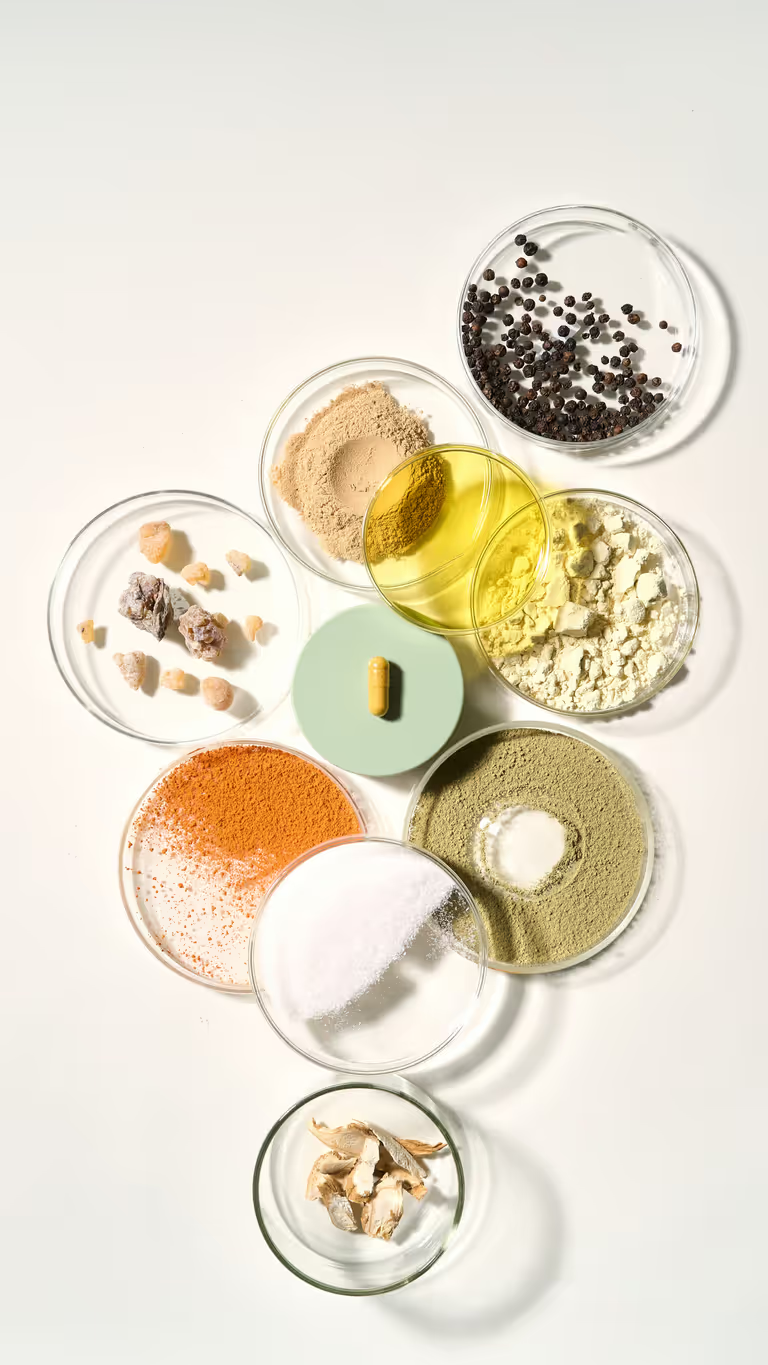
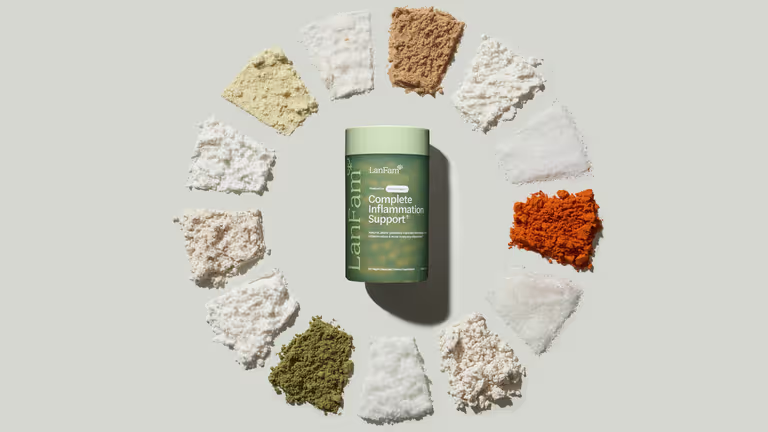
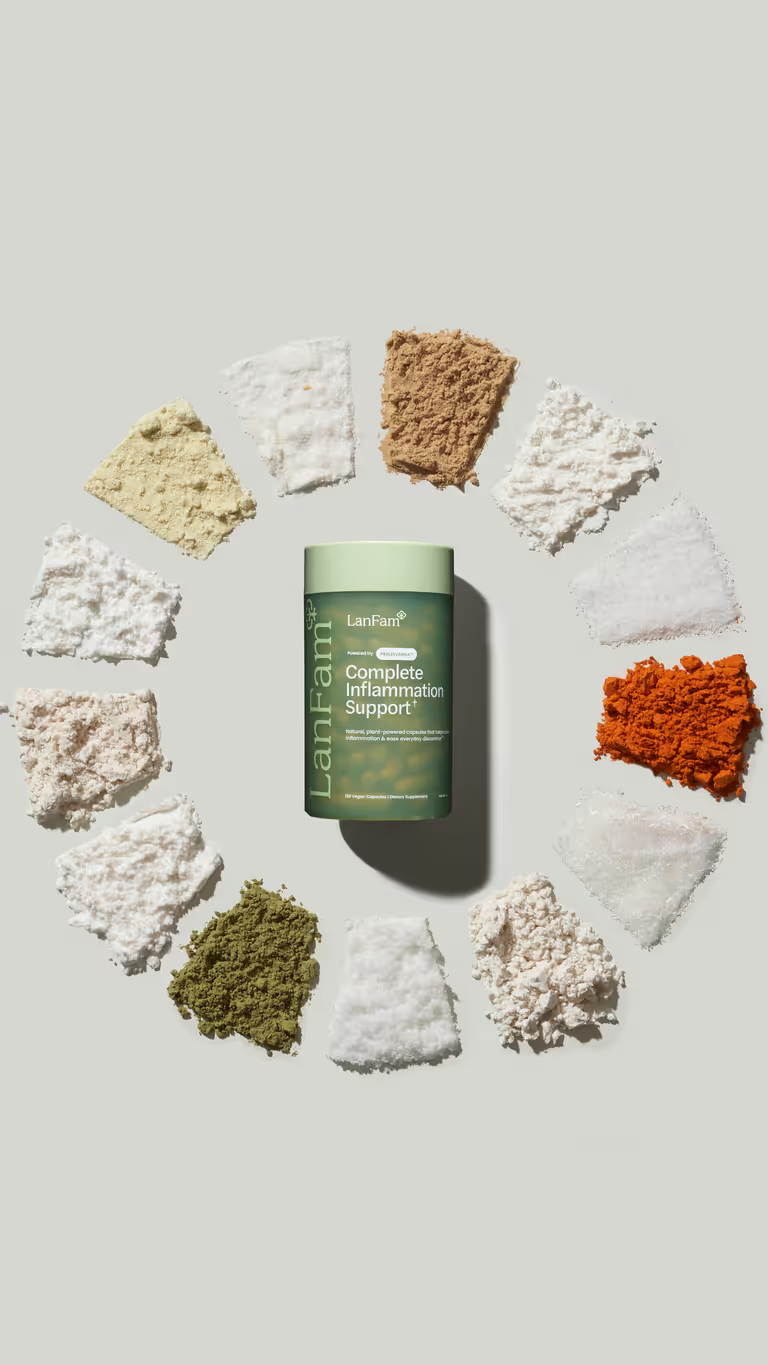
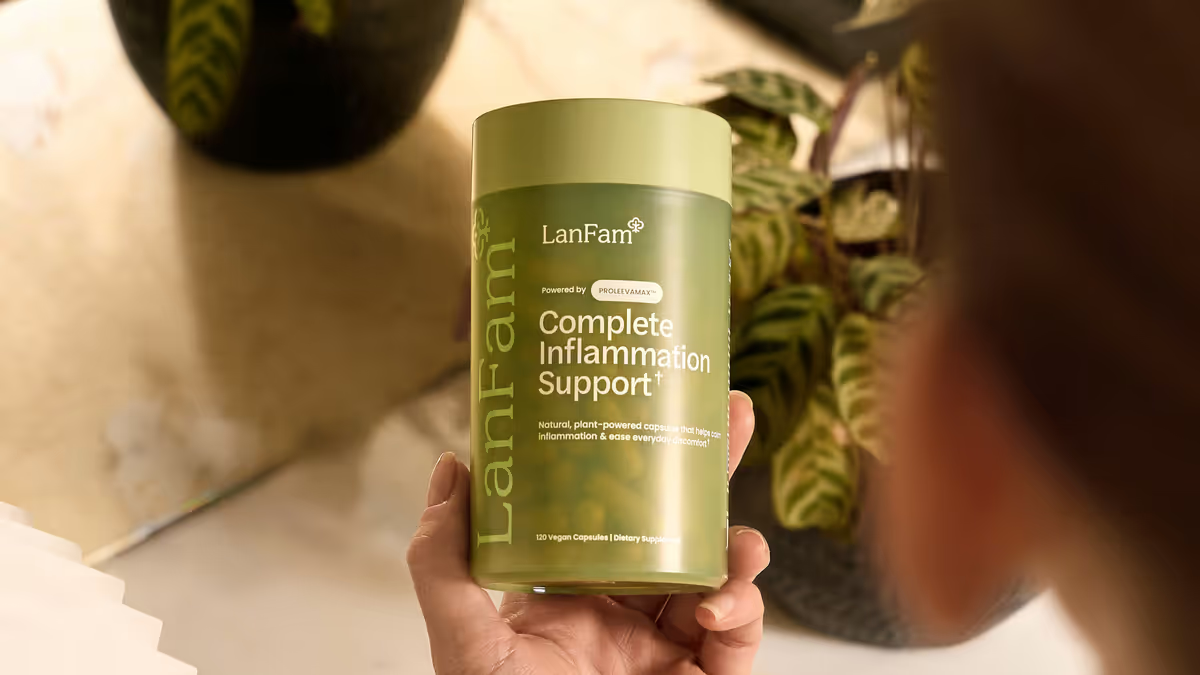
Complete Inflammation Support (Powered by ProleevaMax®) is a proprietary blend of 13 standardized ingredients built for multi-pathway support. Its Boswellia (Indian Frankincense) is standardized to 65% boswellic acids, the constituents research documents as inhibitors of pro-inflammatory mediators and the 5-lipoxygenase pathway [11]. The formula pairs the amino acids L-glutamine and L-serine for nervous-system resilience, alongside whole-root turmeric extract, matcha (EGCG and L-theanine), Asian ginseng, resveratrol, and black pepper.
That last one is on purpose. Piperine from black pepper inhibits the enzymes that clear curcumin and other compounds, which research shows can sharply increase their bioavailability [12]. It is the same reason cooks pair black pepper with turmeric in food.
A note for honesty: ProleevaMax does not contain omega-3s, CoQ10, vitamin D, magnesium, quercetin, or probiotics. Those belong in your grocery cart, which is exactly why this list and a targeted supplement work together. The turmeric in the formula is a whole-root extract, not an isolated high-dose curcumin, so think of it as one botanical among thirteen working across multiple pathways.
Build the Cart, Then Build on It
An anti-inflammatory grocery list is a weekly habit, not a one-time fix. The same logic drives our 90-Day Protocol: give your body a consistent routine and time to respond, with checkpoints at Week 2, Week 4, Week 8, and Day 90.
Explore the formula and the evidence:
- See the full blend on the ProleevaMax product page
- Review every ingredient on the ingredients page
- Read the research behind the formula on the science page
- Understand the routine on how it works
Pair your weekly shop with the right botanical support, and give it the full 90 days. We back the protocol with a 90-day money-back guarantee, because the timeline is the point.
Put the list to work next with our companion guides: anti-inflammatory recipes, anti-inflammatory snacks, and anti-inflammatory dinner ideas.
These statements have not been evaluated by the Food and Drug Administration. This product is not intended to diagnose, treat, cure, or prevent any disease.

References
- 2.Keshani M, Rafiee S, Heidari H, Rouhani MH, Sharma M, Bagherniya M. Mediterranean diet reduces inflammation in adults: a systematic review and meta-analysis of randomized controlled trials. Nutrition Reviews. 2025. https://doi.org/10.1093/nutrit/nuaf213
- 3.Harvard Health Publishing. Foods that fight inflammation. Harvard Medical School;. 2026. https://www.health.harvard.edu/healthy-aging-and-longevity/foods-that-fight-inflammation
- 4.Godman H. Fighting inflammation with food. Harvard Health Publishing, Harvard Medical School;. 2024. https://www.health.harvard.edu/diet-and-nutrition/fighting-inflammation-with-food
- 5.Harvard Health Publishing. Top anti-inflammatory foods: how your diet can reduce chronic inflammation. Harvard Medical School;. 2025. https://www.health.harvard.edu/healthbeat/top-anti-inflammatory-foods-how-your-diet-can-reduce-chronic-inflammation
- 6.Carpi S, Scoditti E, Massaro M, Polini B, Manera C, Digiacomo M, Esposito Salsano J, Poli G, Tuccinardi T, Doccini S, Santorelli FM, Carluccio MA, Macchia M, Wabitsch M, De Caterina R, Nieri P. The extra-virgin olive oil polyphenols oleocanthal and oleacein counteract inflammation-related gene and miRNA expression in adipocytes by attenuating NF-κB activation. Nutrients. 2019. https://doi.org/10.3390/nu11122855
- 7.Patti AM, Carruba G, Cicero AFG, Banach M, Nikolic D, Giglio RV, Terranova A, Soresi M, Giannitrapani L, Montalto G, Pantea Stoian A, Banerjee Y, Rizvi AA, Toth PP, Rizzo M. Daily use of extra virgin olive oil with high oleocanthal concentration reduced body weight, waist circumference, alanine transaminase, inflammatory cytokines and hepatic steatosis in subjects with the metabolic syndrome: a 2-month intervention study. Metabolites. 2020. https://doi.org/10.3390/metabo10100392
- 8.Xu Y, Wan Q, Feng J, Du L, Li K, Zhou Y. Whole grain diet reduces systemic inflammation: a meta-analysis of 9 randomized trials. Medicine (Baltimore). 2018. https://doi.org/10.1097/MD.0000000000012995
- 9.Harvard T.H. Chan School of Public Health. Diet review: anti-inflammatory diet. The Nutrition Source; last reviewed October. 2021. https://nutritionsource.hsph.harvard.edu/healthy-weight/diet-reviews/anti-inflammatory-diet/
- 10.Ohishi T, Goto S, Monira P, Isemura M, Nakamura Y. Anti-inflammatory action of green tea. Anti-Inflammatory & Anti-Allergy Agents in Medicinal Chemistry. 2016. https://doi.org/10.2174/1871523015666160915154443
- 11.Sajan K, Anthireddy N, Matarazzo A, Furtado C, Hennekels CH, Ferris A. Ultra-processed foods and increased high sensitivity C-reactive protein. The American Journal of Medicine. 2025. https://doi.org/10.1016/j.amjmed.2025.08.016
- 12.Ammon HPT. Boswellic acids and their role in chronic inflammatory diseases. Advances in Experimental Medicine and Biology. 2016. https://doi.org/10.1007/978-3-319-41334-1_13
- 13.Prasad S, Tyagi AK, Aggarwal BB. Recent developments in delivery, bioavailability, absorption and metabolism of curcumin: the golden pigment from golden spice. Cancer Research and Treatment. 2014. https://doi.org/10.4143/crt.2014.46.1.2
Frequently asked questions
There's a seat at our table
Letters from our family to yours — the science, the recipes, the things that actually helped real families. Leave your email and we'll send the next one.