Lemon-Blueberry Anti-Inflammatory Smoothie
A bright lemon-blueberry smoothie with kale, green tea, and hemp seeds — naturally rich in the plant compounds studied for supporting a healthy inflammatory response.
The Recipe
- Prep
- 5 min
- Cook
- None
- Total
- 5 min
- Serves
- 1
Yield · About 2 cups (one tall glass)
Ingredients
- 1 cup frozen blueberries, plus more for garnish
- 1 medium ripe banana, frozen
- 1 cup packed baby kale
- 1/2 cup unsweetened plain almond milk
- 1/2 cup chilled unsweetened brewed green tea
- 2 tbsp hulled hemp seeds
- 3/4 tsp lemon zest, plus more for garnish
- 1 1/2 tbsp lemon juice
- 1/2 tsp honey, optional (leave out to keep it vegan)
- 1/4 tsp ground ginger
Instructions
- 1
Add the blueberries, banana, kale, almond milk, green tea, hemp seeds, lemon zest, lemon juice, honey (if using), and ground ginger to a blender.
- 2
Blend on high until completely smooth, about 25 seconds. If it's thicker than you like, add a splash more almond milk and pulse again.
- 3
Pour into a tall glass and top with a few blueberries and a pinch of lemon zest.
Nutrition · per serving
- Calories
- 358
- Protein
- 12 g
- Carbohydrate
- 57 g
- Fat
- 13 g
- Fiber
- 11 g
- Sugar
- 24 g
- Sodium
- 180 mg
Variations & swaps
- Swap the kale for baby spinach if you want it even milder — spinach also carries quercetin.
- Stir in 1/4 teaspoon ground turmeric for a curcumin boost (add a tiny pinch of black pepper with it — more on that trick in the tropical-turmeric recipe).
- No brewed tea ready? Use 1/2 teaspoon matcha powder plus an extra splash of almond milk instead of the green tea.
- Use orange zest and juice in place of lemon for a sweeter, mellower version.
- Add 1/2 cup plain Greek yogurt (or a scoop of plain protein) if you want this to carry you to lunch.
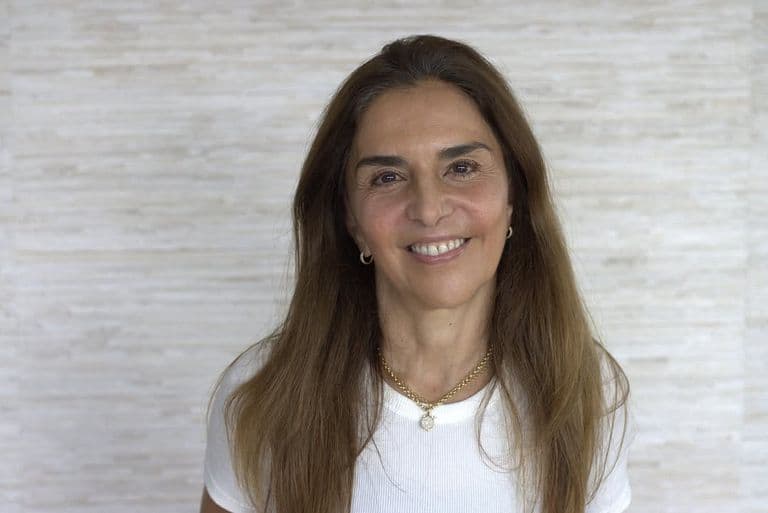
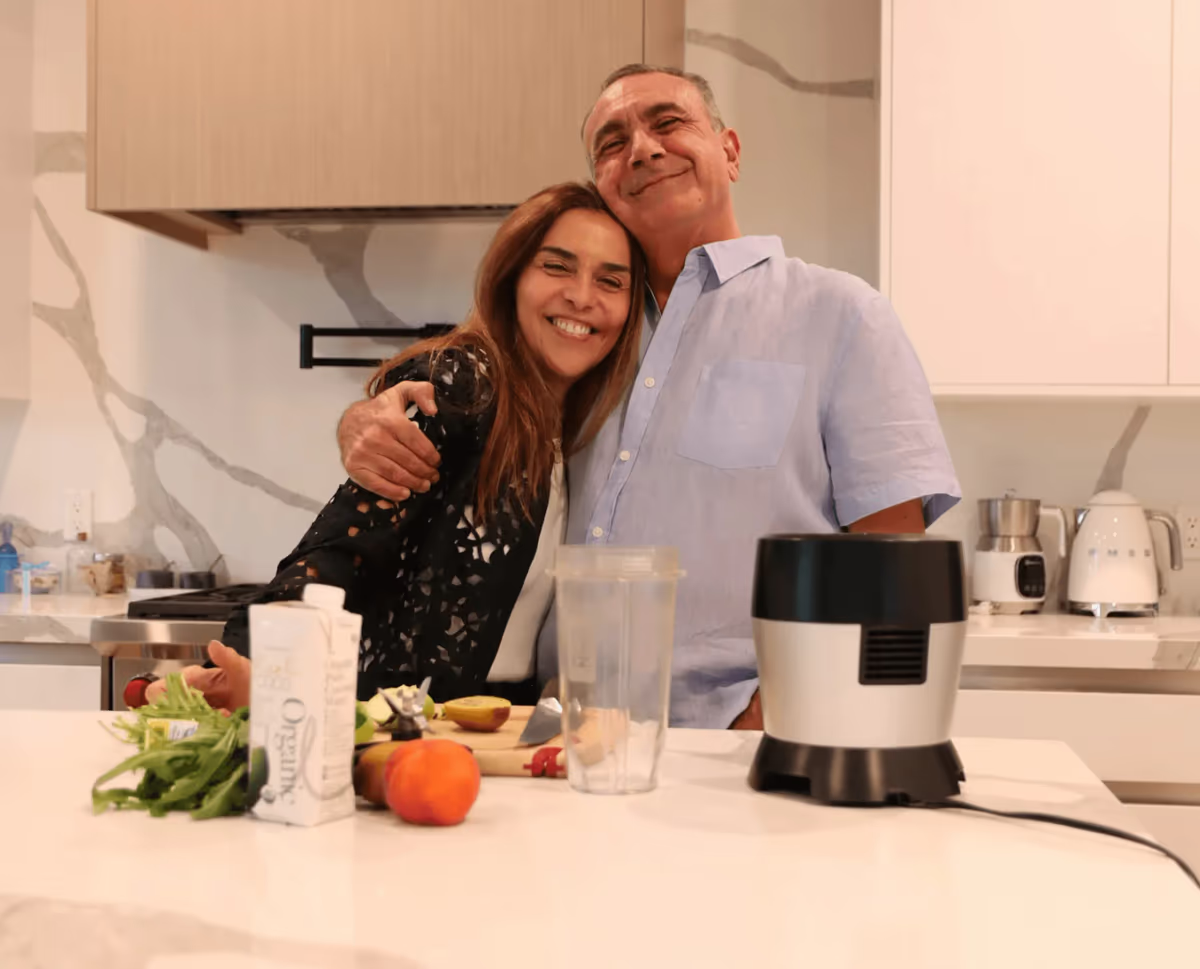
Someone asked me last week what I actually drink in the morning — not what we sell, what I drink. So here it is. This is the one I keep coming back to, because it tastes like the middle of summer even in February, and because Fabio approves of nearly everything in it.
I started caring about blueberries the way some people care about their coffee order. Fabio is the reason. He came home one night going on about anthocyanins — those deep-blue pigments — and how researchers keep circling back to them. I half-listened. Then I started adding a fat cup of frozen ones to the blender every morning, partly to make him happy and partly because they make everything taste like a treat.
The kale you won't taste, I promise. The lemon zest does the heavy lifting — it wakes the whole thing up. And the green tea I brew the night before and leave in the fridge, so the morning version of me only has to press one button. That's the whole trick, really. Make it easy enough that tired-you will still do it.
Why This Smoothie Fights Inflammation
The "why" matters more than the "what" here, so let me be plainspoken. None of these foods are medicine. What they are is a daily, food-level way to get more of the plant compounds researchers study for helping the body handle inflammation. Blueberries are the headline — their deep-blue color comes from anthocyanins, the compound studied most for calming the body's inflammation signals.[1] In one 8-week trial, people who ate blueberries daily saw real, measured drops in oxidative stress.[2] Green tea adds EGCG, kale adds quercetin and a good dose of vitamin C, the pinch of ginger adds gingerols, and the hemp seeds add a little plant omega-3. Put together, it's a glass built around foods that keep showing up in the inflammation research. Not a cure. A good habit.
Getting the Full Dose
Here's the part I want to be straight with you about, because the research is. The compounds above show their clearest effects in studies at concentrated, steady doses — usually more than one smoothie delivers. A morning glass is a wonderful daily ritual and a real source of these compounds. It just sits below the levels most of those studies used. That gap is exactly why Fabio built ProleevaMax — to deliver standardized actives like Matcha at the same labeled dose every day, so the amount never depends on how ripe the produce was. Drink the smoothie because it's good. Think of the supplement as the dose part.
If you make this, the one thing I'd ask is that you make it yours — sweeter, tarter, greener, whatever gets you to actually drink it tomorrow. Fabio measures everything; I taste as I go. Both work. Leave me a note if you find a swap you love. There's always an open seat at our table for that.
References
- 1.Kozłowska A, Dzierżanowski T. Targeting Inflammation by Anthocyanins as the Novel Therapeutic Potential for Chronic Diseases: An Update. Molecules. 2021. https://doi.org/10.3390/molecules26144380
- 2.Basu A, Du M, Leyva MJ, et al. Blueberries Decrease Cardiovascular Risk Factors in Obese Men and Women with Metabolic Syndrome. J Nutr. 2010. https://doi.org/10.3945/jn.110.124701
- 3.Kim JM, Heo HJ. The roles of catechins in regulation of systemic inflammation. Food Sci Biotechnol. 2022. https://doi.org/10.1007/s10068-022-01069-0
- 4.van Breemen RB, Tao Y, Li W. Cyclooxygenase-2 inhibitors in ginger (Zingiber officinale). Fitoterapia. 2011. https://doi.org/10.1016/j.fitote.2010.09.004
- 5.Aggarwal D, Chaudhary M, Mandotra SK, et al. Anti-inflammatory potential of quercetin: From chemistry and mechanistic insight to nanoformulations. Curr Res Pharmacol Drug Discov. 2025. https://doi.org/10.1016/j.crphar.2025.100217
- 6.Elisia I, Yeung M, Kowalski S, et al. Omega 3 supplementation reduces C-reactive protein, prostaglandin E2 and the granulocyte/lymphocyte ratio in heavy smokers: An open-label randomized crossover trial. Front Nutr. 2022. https://doi.org/10.3389/fnut.2022.1051418
Frequently asked questions
There's a seat at our table
Letters from our family to yours — the science, the recipes, the things that actually helped real families. Leave your email and we'll send the next one.